【 Alzheimer's disease/Dementia】 Prodromal Signs, Symptoms, Treatment, and Prevention Methods
Alzheimer's is a type of dementia commonly seen in older adults, where the patient's brain gradually degenerates, and the symptoms are irreversible. So, are there prodromal signs of Alzheimer's? And are there any methods of prevention? Capture HK will provide a comprehensive explanation of the symptoms and causes of Alzheimer's and explore current treatment and prevention methods.

What is Alzheimer's disease?
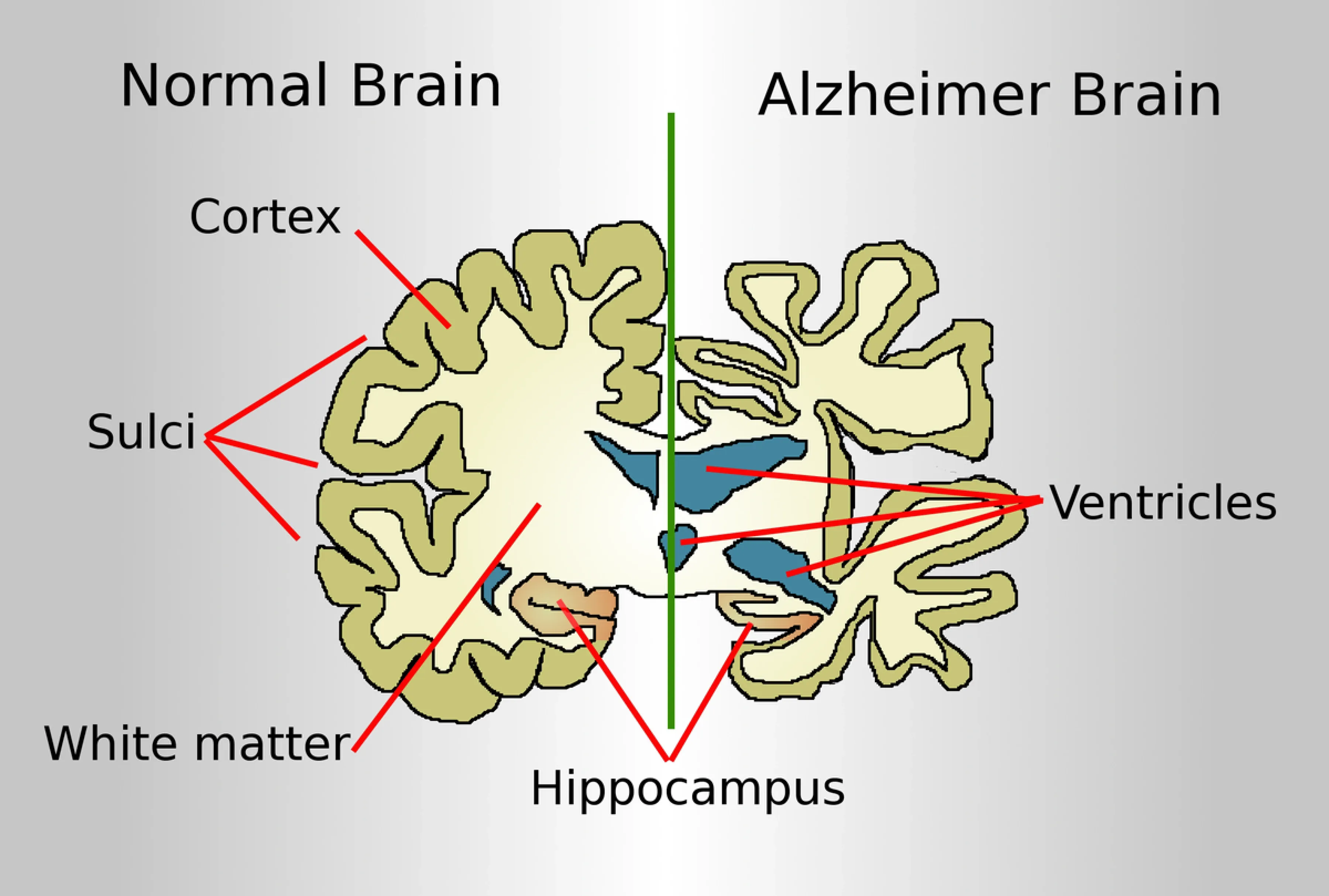
Alzheimer's disease is a brain disorder and the most common form of dementia, accounting for 50% to 75% of all dementia cases. In Hong Kong, approximately one out of every ten individuals aged 70 or above has cognitive impairment, and the prevalence rate increases to one-third among those aged 85 or above.
Alzheimer's disease is a progressive central nervous system degenerative condition that gradually impairs a person's memory and cognitive abilities, leading to a loss of independence. In 1906, Alois Alzheimer discovered numerous abnormal plaques and tangled bundles of fibres in the brain of a woman who had died from a rare mental illness. These are now recognised as the primary characteristics of Alzheimer's disease, and the condition was named after Dr. Alois Alzheimer.
The onset of the disease typically occurs in individuals aged 65 or older, although a small percentage of people with certain genetic mutations may develop the disease between the ages of 30 and 60, known as early-onset dementia.
What are the prodromal signs of Alzheimer's disease?
The early symptoms of Alzheimer's disease are often mistaken for normal ageing and are therefore overlooked. If the following prodromal signs are observed, it is important to seek medical examination early.
- Decline in memory
- Impaired concentration
- Inability to handle familiar tasks
- Changes in mood
- Decreased understanding of time and space
Symptoms of Alzheimer's disease
The symptoms of Alzheimer's disease worsen over time and include:
- Decline in memory, affecting daily life
- Difficulty in thinking and impaired judgment
- Difficulty in learning new things
- Inability to remember recent events
- Decreased communication and understanding abilities
- Decline in language and writing skills
- Disorientation, misplacing items, and difficulty in finding them
- Noticeable changes in mood and personality
- Loss of interest in activities and previous hobbies
- Repeating questions or stories frequently
- Possibly being unaware of the problem and becoming frustrated when others try to help.
Causes of Alzheimer's disease
The brains of individuals with Alzheimer's disease exhibit two main characteristics: the formation of plaques and the tangling of nerve fibres. These abnormalities gradually damage brain cells, leading to the progressive death of neurons. The exact causes of Alzheimer's disease are still not fully understood, but medical researchers believe that it is primarily associated with the following risk factors:
- Ageing: The disease is more common in individuals aged 65 or older.
- Family history and genetic variations: Rare cases are caused by genetic mutations on specific chromosomes. Having a family member who has had the disease increases the risk.
In addition, studies have identified other risk factors such as head injuries, cardiovascular health, obesity, and diabetes. Therefore, engaging in regular physical exercise and maintaining a healthy lifestyle can help prevent the onset of Alzheimer's disease.
Alzheimer's disease VS Dementia VS Parkinson's disease
Alzheimer's disease is a type of cognitive impairment and is also referred to as "dementia". Dementia or "loss of cognitive function" can be caused by over 100 different types of diseases. In addition to Alzheimer's disease, other types include vascular dementia, dementia with Lewy bodies, and frontotemporal dementia. Among these, Alzheimer's disease accounts for the majority of cases.
However, Parkinson's disease and Alzheimer's disease share some similar symptoms but have entirely different natures. Parkinson's disease is a movement disorder characterised by symptoms such as slow movement, tremors, unsteady gait, and lack of facial expression. On the other hand, Alzheimer's disease primarily affects memory, emotions, and attention-related functions.

Stages of Alzheimer's Disease
Alzheimer's disease is generally divided into three stages: early stage, middle stage, and late stage. The following table summarises the symptoms associated with each stage:
| Stage | Symptoms | Examples |
| Early Stage | Decline in memory | Getting lost, repeating questions, difficulty with calculations, forgetting familiar words or names, forgetting the location of everyday items, etc. |
| Middle Stage | Impaired language and reasoning, abnormal emotions | Failure to recognise family members and friends, inability to learn new things or adapt to new situations, mood swings, and possible presence of hallucinations, delusions, and paranoia |
| Late Stage | Significant shrinkage of brain tissue, complete loss of self-care abilities, communication difficulties | Inability to perform basic daily activities such as eating, swallowing, or walking, inability to respond or express oneself |
The diagnostic methods for Alzheimer's disease
Doctors use the following methods to diagnose Alzheimer's disease:
- Clinical questioning: The doctor will conduct an interview with the patient and their family members or caregivers to gather information about the patient's medical history, symptoms, and any changes in cognitive function or behaviour.
- Medical evaluation: A thorough physical examination is conducted to assess overall health and to rule out other possible causes of cognitive decline. The doctor may also review the patient's medications and perform laboratory tests, such as blood tests, to check for any underlying medical conditions.
- Imaging tests: Brain imaging techniques, such as magnetic resonance imaging (MRI) or positron emission tomography (PET) scans, may be used to identify any structural or functional changes in the brain associated with Alzheimer's disease.
The Treatment of Alzheimer's disease
Currently, the medical field does not have a method to completely cure Alzheimer's disease. Doctors use medications to improve symptoms, such as drugs that slow down memory deterioration, medications to improve mental and behavioural symptoms, as well as other drugs or supplements to maintain cognitive function and neuronal integrity.
In recent years, the U.S. Food and Drug Administration (FDA) has approved a new drug for the treatment of Alzheimer's disease called Aducanumab, developed by Biogen. It is claimed to remove abnormal deposits of "amyloid plaques" in the brains of patients, thereby achieving therapeutic effects. However, even if the "amyloid plaques" are cleared, it is not guaranteed to restore patients' cognitive abilities, so there are still doubts about its effectiveness.
Apart from medication, there are other therapeutic approaches that can help alleviate brain degeneration, such as:
- Reminiscence Therapy: Encouraging patients to recall and share their past experiences to regain self-worth and a sense of belonging.
- Cognitive Stimulation Therapy: Engaging in various tasks targeting attention, creativity, orientation, and numeracy to improve memory and life skills.
- Music Therapy: Utilising music-related interventions to slow down cognitive decline and improve symptoms.
Does Alzheimer's disease have a genetic component?
According to research, Alzheimer's disease can have a genetic component, but it is only highly hereditary in rare cases with specific gene mutations, and most cases occur after the age of 65. In these familial cases of Alzheimer's disease, where there are genetic changes, there is a 50% chance of inheriting the disease in the next generation.
Complications of Alzheimer's disease
Due to the loss of self-care abilities in Alzheimer's disease patients, the following complications are more likely to occur:
- Behavioural and emotional disturbances such as depression and anxiety, and even becoming agitated, hostile, and aggressive.
- Increased risk of falls and fractures.
- Metabolic issues such as malnutrition, dehydration, weight loss, and wasting.
- Urinary tract infections, incontinence, bladder, and bowel problems.
- More severe conditions such as pneumonia.
Prevention for Alzheimer's disease
While Alzheimer's disease cannot be prevented 100%, you can take steps in promoting brain health and preventing cognitive decline:
- Mental stimulation: Engage in activities that challenge your brain, such as puzzles, word games, crafts, etc., to promote the growth of brain cells.
- Physical exercise: Engage in aerobic exercises like jogging, swimming, dancing, etc., to enhance memory and cognitive function.
- Stress reduction: High levels of stress can be detrimental to the brain, so practice relaxation techniques like yoga, meditation, or massage to reduce daily stress.
- Healthy diet: Obesity and diabetes are associated with a higher risk of developing Alzheimer's disease, so avoid high-salt, high-sugar, and high-fat foods, and instead, consume deep-sea fish, antioxidant-rich fruits, and vegetables.

Preserving Precious Memories with Family

While health may succumb to the passage of time, the cherished memories shared with family can be preserved indefinitely. Even as loved ones age, these memories can be revisited from time to time, reminiscing about the past and potentially preventing or alleviating Alzheimer's disease.
Through the digitisation services provided by Capture.HK, your every photo and video can be efficiently digitised using specialised digitisation techniques. The digitisation process is non-intrusive, ensuring that your photos are never removed from your albums or touched. The digitised photos and videos are stored in Google Photos, allowing for easy organisation and future recollection with your family.
👉 Learn more about Capture HK’s Photograph and Videotape Digitisation Services
References:
- Alzheimer's Disease Fact Sheet - NIH
- What is Dementia - Hong Kong Alzheimer's Disease Association
- Early signs of Alzheimer's? Symptoms, Prevention, and Treatment of Alzheimer's all in one glance - Common Health
- Memory problems, Alzheimer's disease, cognitive impairment - Hospital Authority
- What is Alzheimer's disease? - Alzheimer Society
- Causes and Risk Factors - Alzheimer Association
- Alzheimer’s Disease: Causes, Symptoms and Treatment - Healthy Matters
- Alzheimer’s Disease: The basics - Alzheimer's Los Angeles
Loading...