What to Do with Old Videotapes: 15 Ideas for Hong Kong Homes
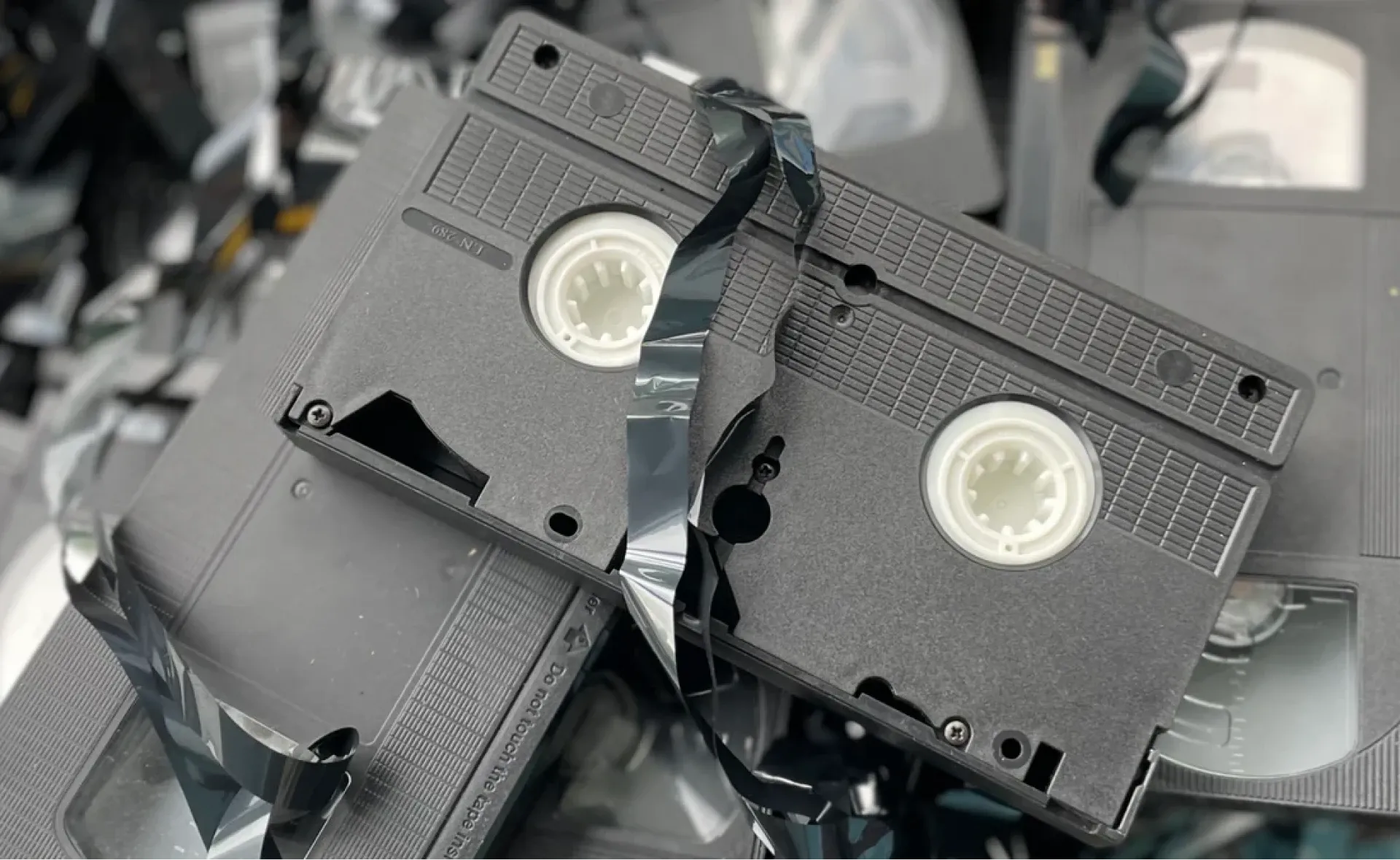
In a Hong Kong flat, a cupboard full of videotapes is prime storage space spent on things nobody can play. The VCR went years ago, the camcorder is in a drawer somewhere and the labels say things like "1994 CNY" or "Ah Ma 70th". Before you bag them up for the rubbish chute, it is worth taking an hour to decide what each tape deserves. Here are 15 ideas, from saving the footage to recycling the cases properly to turning the shells into something useful.
First, sort the pile
Split your tapes into three groups before doing anything else:
Home recordings. Camcorder footage and anything you recorded yourself: weddings, birthdays, school concerts, holidays. These are irreplaceable.
Recorded TV. Old dramas, news and shows taped off the air. Usually low priority, though sometimes a family member appears in them or they capture an event you care about.
Shop-bought films. Commercial releases that can almost always be watched another way.
Check unlabelled tapes before deciding. A blank-looking cassette sometimes turns out to be the only copy of a christening.
Save what matters
1. Digitise the home videos
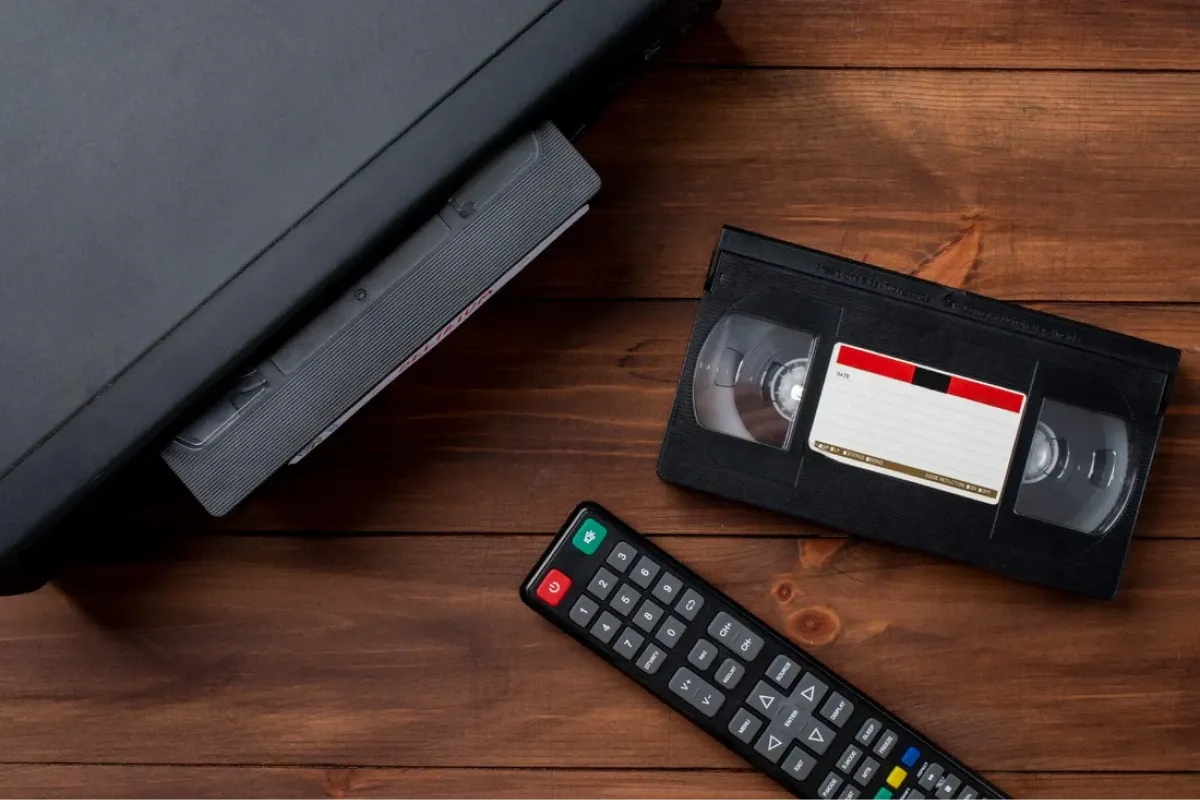
Whatever else you do, get the family footage off the tape first. Videotape weakens with age, and Hong Kong's humidity makes mould the most common problem on stored cassettes. Once it is converted to digital files, the footage can be watched on a phone, shared with relatives overseas and kept in more than one place.
You can do it yourself with a working VCR or camcorder and a USB capture device, but it runs in real time, so a box of tapes takes many evenings, and the result depends on the condition of the player. A professional transfer plays each tape on calibrated decks and fixes common timing problems along the way.
2. Clean or repair damaged tapes before playing them
White spots, a powdery coating or a musty smell mean mould. Don't put that tape in a home player: it can scratch the tape and contaminate the heads. Snapped or crinkled tape can often be fixed. At Capture HK, cleaning costs HK$100 (light), HK$200 (deep) or HK$400 (extra-deep), and tape fixing is HK$200, before the transfer itself.
3. Share the files with the family
Once digitised, put the videos in a shared album or cloud folder so siblings, cousins and children studying abroad can watch them. A two-minute clip of grandparents at a wedding banquet goes down very well in the family chat.
4. Keep one tape as a keepsake
You don't have to throw everything away. Keep one cassette with a handwritten label, maybe with a printed QR code linking to the digitised video inside the case. It is a nice object to hand down.
Pass on or recycle the rest
5. Sell or give away commercial tapes
Collectors look for particular editions, original sleeves and sealed copies. List them on a second-hand marketplace such as Carousell, or offer them in collector groups. Most ordinary films sell for very little, but someone may still want them.
6. Offer them for props or set dressing
Retro-themed cafés, photographers, students and drama groups sometimes look for old tapes and cases as props. Post in local community groups before you recycle.
7. Recycle the parts properly
A videotape is not ordinary household recycling. The shell is plastic, there are small metal screws and springs inside, and the tape itself is a coated plastic film that usually can't be recycled. If you are handy with a small screwdriver, separate the parts. Check with your nearest GREEN@COMMUNITY station, or another recycling point, what they accept before dropping anything off.
Turn old tapes into something new
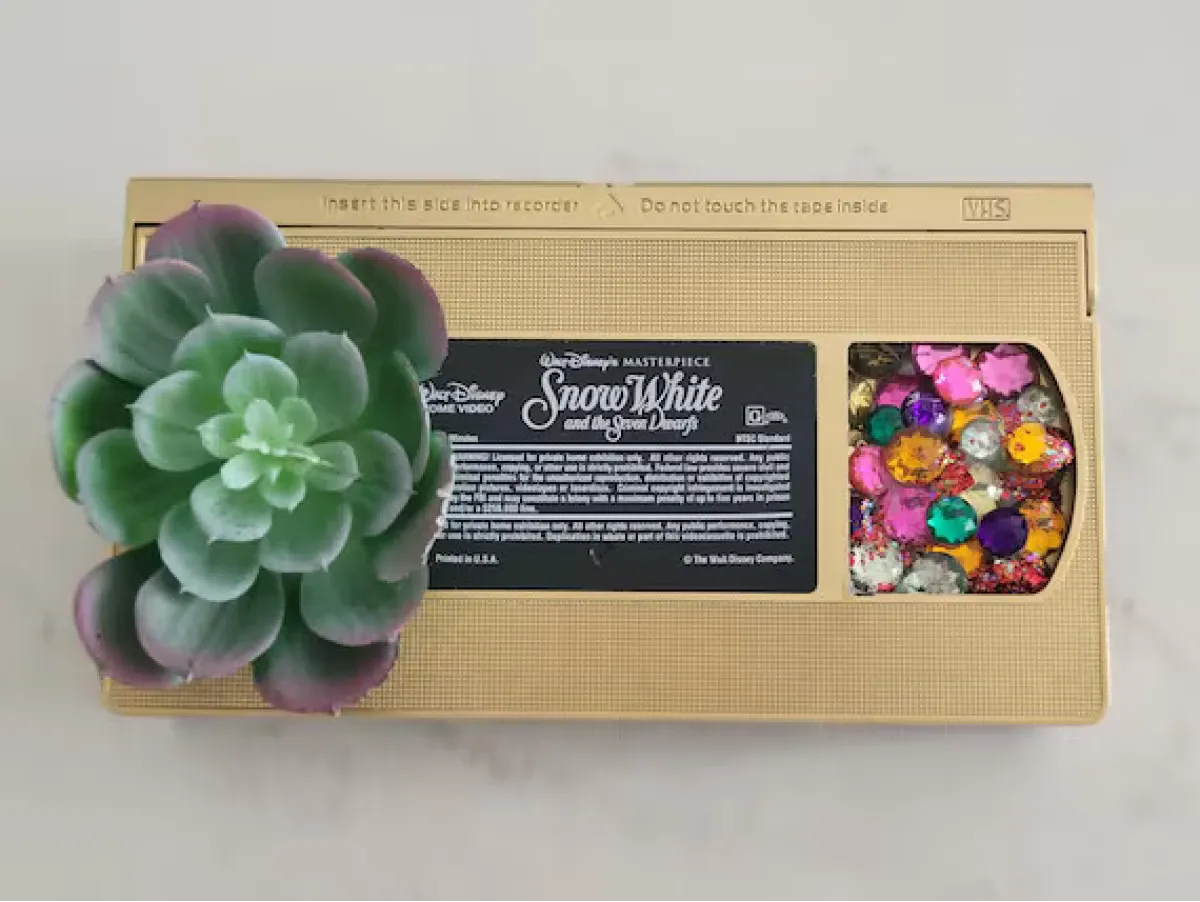
Only use clean, dry, mould-free tapes for craft projects, and digitise the footage first.
8. Desk organisers
Empty VHS sleeves and hard cases make tidy holders for pens, cables, chargers and receipts. Stand them on a shelf like books.
9. Book-style storage boxes
Line up the hard plastic cases with spines facing out and use them to hide small things: spare keys, Octopus cards, SIM tools. In a small flat, the retro look is a bonus.
10. A picture frame
Glue four cassettes together into a square and mount a printed photo from the same tape in the middle. A still from the video inside a frame made of the tape is a fun combination.
11. A mini planter
Remove the inner parts, line the shell with plastic and plant a small succulent or air plant. Ideal for a window ledge.
12. Gift ribbon
The shiny brown or black tape makes an unusual ribbon for wrapping presents or tying lai see envelopes into a bundle.
13. Woven coasters or a small mat
Plait strands of tape and coil them into coasters. Seal them with clear varnish so the coating doesn't flake.
14. A wall display
Mount a row of labelled cassettes on a board, one for each year of family videos. It works as a talking point and a reminder of what is now safely digitised.
15. A notebook cover
Cut the printed cardboard sleeve of a favourite film and glue it onto a notebook. Children enjoy this one, and it is a good excuse to explain what a VCR was.
Free up the cupboard, keep the memories
Clearing old videotapes is one of the quickest ways to win back space at home, and it doesn't have to mean losing what is on them. Capture HK transfers VHS, VHS-C, Video8, Hi8, MiniDV, Betamax and more to MP4, with VHS from HK$200 per tape whatever the length. Drop your tapes at our Central or Lai Chi Kok store, or arrange collection. See our video digitisation service or get a free quote.