How to Recycle Videotape? Learn the Steps for Categorising and Recycling
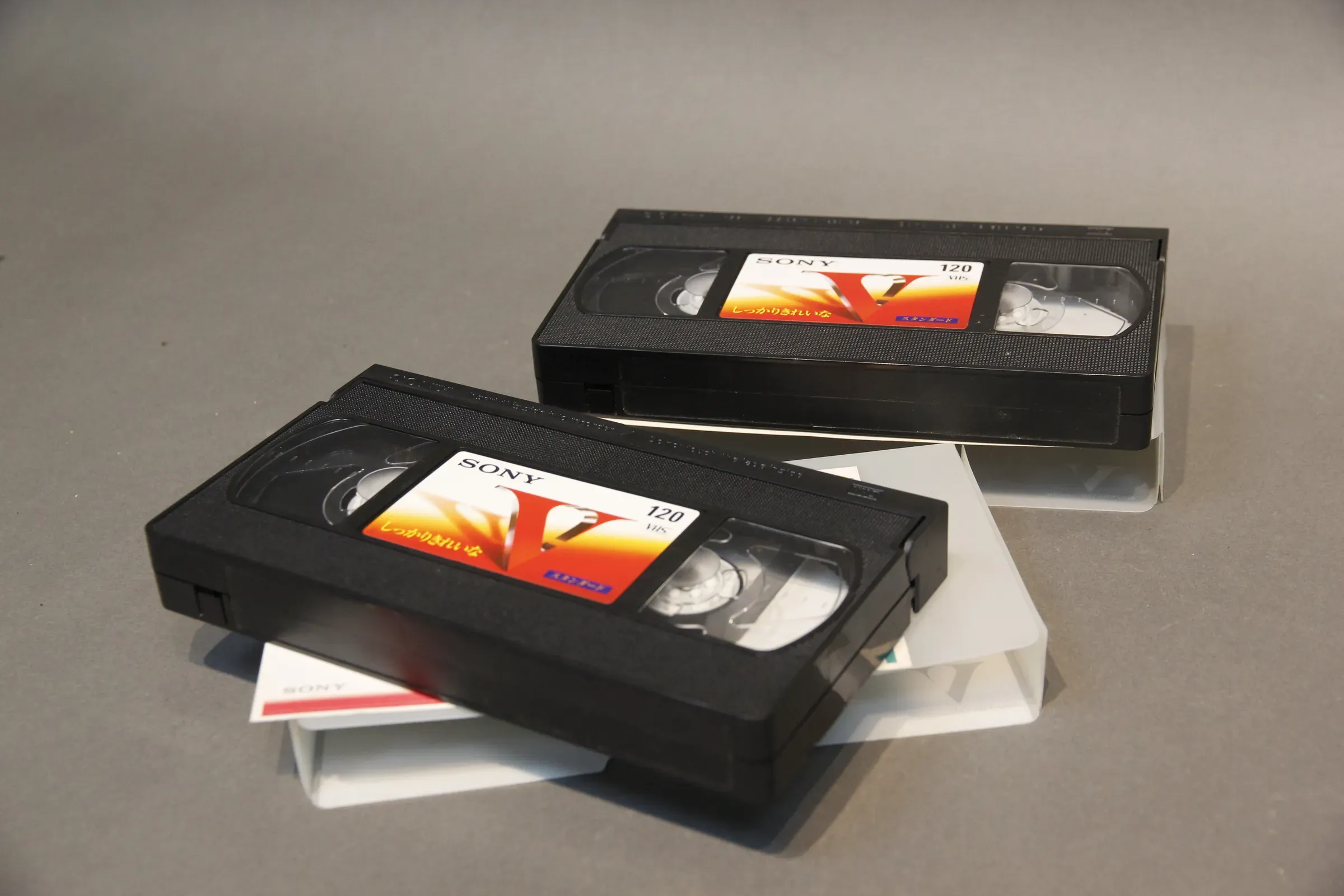
Videotapes hold many nostalgic memories for people, but as technology advances, they are gradually being replaced by digital media. However, many households still have a large number of videotapes storing valuable memories. So, how should we handle these videotapes? Capture will provide recommendations and steps for recycling videotapes, helping you effectively organise and preserve these precious memories!
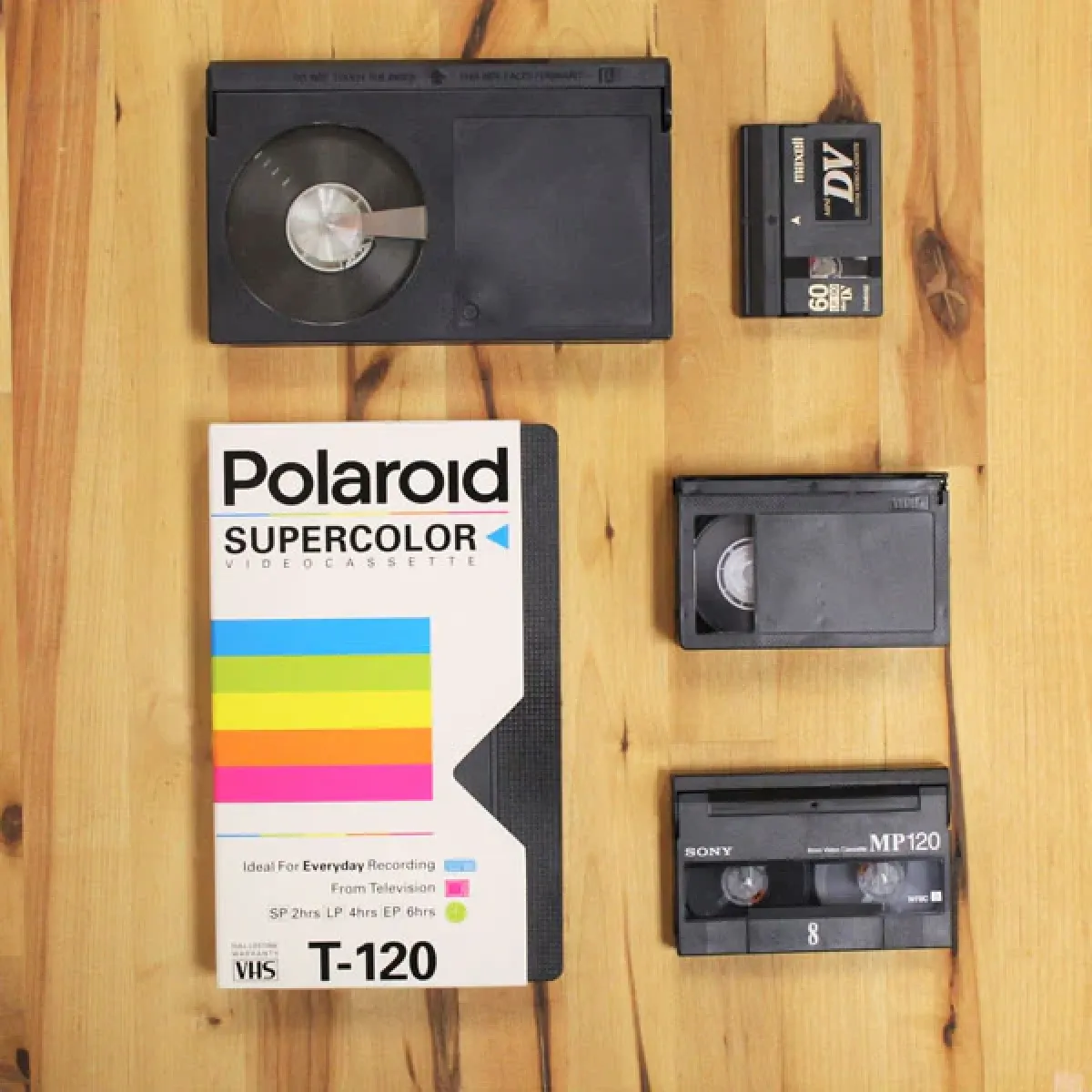
Why Should We Recycle Videotapes?
Over time, videotapes tend to deteriorate and become easily damaged, resulting in a decline in playback quality. Additionally, since VCRs have ceased production, it has become increasingly difficult to find repair services and replacement parts, further diminishing the value of videotapes and potentially rendering them unplayable.
Furthermore, Hong Kong's living spaces are limited, and videotapes require a considerable amount of storage space. By recycling videotapes, you can free up valuable storage space to accommodate other items.
By recycling videotapes, we can ensure that these outdated media are properly handled. The materials in videotapes, such as metal and plastic, can be recycled, reducing the burden on the environment, minimising waste, and promoting sustainability.
Can Videotapes be Recycled?
Videotapes can be recycled, but it's important to note that not all materials within the tapes can be recycled. The outer casing of videotapes is usually made of polystyrene (PS) plastic, screws, and metal pieces, which are recyclable materials. However, the brown film inside the tapes is non-recyclable. If you want to recycle videotapes you need to disassemble them at home before disposing of them in the recycling bin.
| Recyclable | Non-recyclable |
|
|
Where Can I Recycle Videotapes in Hong Kong?
1. Online Purchase Platforms
Some online purchase platforms or second-hand trading platforms in Hong Kong have businesses or collectors specialised in buying or recycling videotapes. You can contact them to inquire about the relevant transaction details.
2. Donation
Additionally, you can consider donating unwanted videotapes to those in need or charitable organisations. Some charitable organisations, community centers, or schools may accept donated videoapes, especially those with educational or cultural value.
3. Government Recycling Programmes / Organisations
The Hong Kong government has launched various waste recycling programs. In addition to disassembling and taking the tapes to recycling stations yourself, some environmental organisations or non-governmental organisations also hold regular recycling events, including videotape recycling. You can follow the websites of the government and these organisations to get the latest information.
Steps for Recycling videoTapes
If you want to recycle videotapes on your own, how should you dismantle and handle them?
1. Preserve Precious Video
If your videotapes contain precious clips or memories, remember to save them first. You can use digital conversion services like Capture to convert these video clips into digital formats, preserving your precious memories for future sharing and review.
2. Remove Metal/Iron Components
Videotapes usually contain metal or iron parts such as screws and metal pieces. Before recycling the tapes, you need to remove the metal and iron components by carefully unscrewing the screws for proper categorisation and recycling.
3. Remove the Film
Next, carefully remove the film from the videotapes. Since the film is non-recyclable, it can be disposed of as general waste.
4. Recycle the Case
Finally, place the outer casing of the videotapes in the plastic recycling bin to complete the entire process.
Precautions for videotape Recycling
When recycling videotapes, please pay attention to the following:
- Information Security and Privacy Protection: Before recycling videotapes, carefully check if they contain any personal or sensitive information. If so, make sure to completely erase or destroy the information before recycling to prevent your personal data from falling into the wrong hands.
- Proper Categorisation: Before handing the tapes to the recycling station, remember to disassemble and categorise them properly, including removing metal and iron components, removing the film, and separating the case. This simplifies the recycling process and ensures that the materials are handled appropriately.
- Consider Other Recycling Options: Besides disassembling and handing them to recycling stations, you can also consider donating them to community organisations or charitable institutions for educational, artistic, or other purposes, contributing to the community.
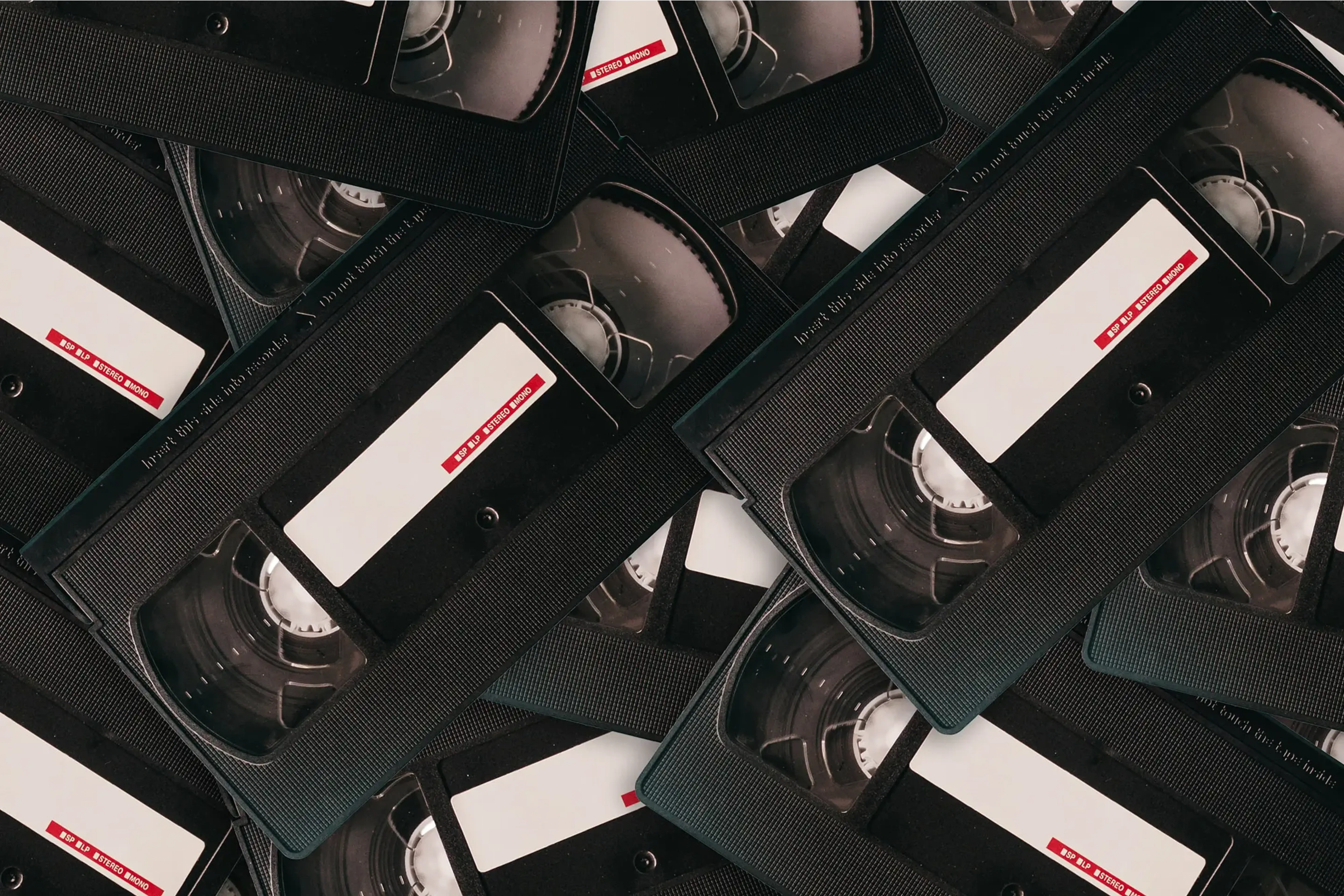
Backup Your Precious Videotape Clips Now!
If your videotapes contain precious memories such as family recordings, special moments, or important events, remember to back them up before recycling!
You can use Capture HK's videotape digitisation service, which utilises exclusive digital conversion technology to efficiently digitise each tape. If needed, Capture also offers limited restoration and cleaning services for the original media, including fixing minor damages to tape boxes and dealing with moldy home videos. The digitised videos will be stored in Google Photos, allowing you to categorise, process, and access them easily for future review!
Reference:
- Can CDs, cassette tapes, and VHS tapes be recycled? - Zerozero
- Home Recycling One Stop Shop - Hong Kong Waste Reduction Website
Loading...