How to Store VHS Tapes in Hong Kong's Humidity
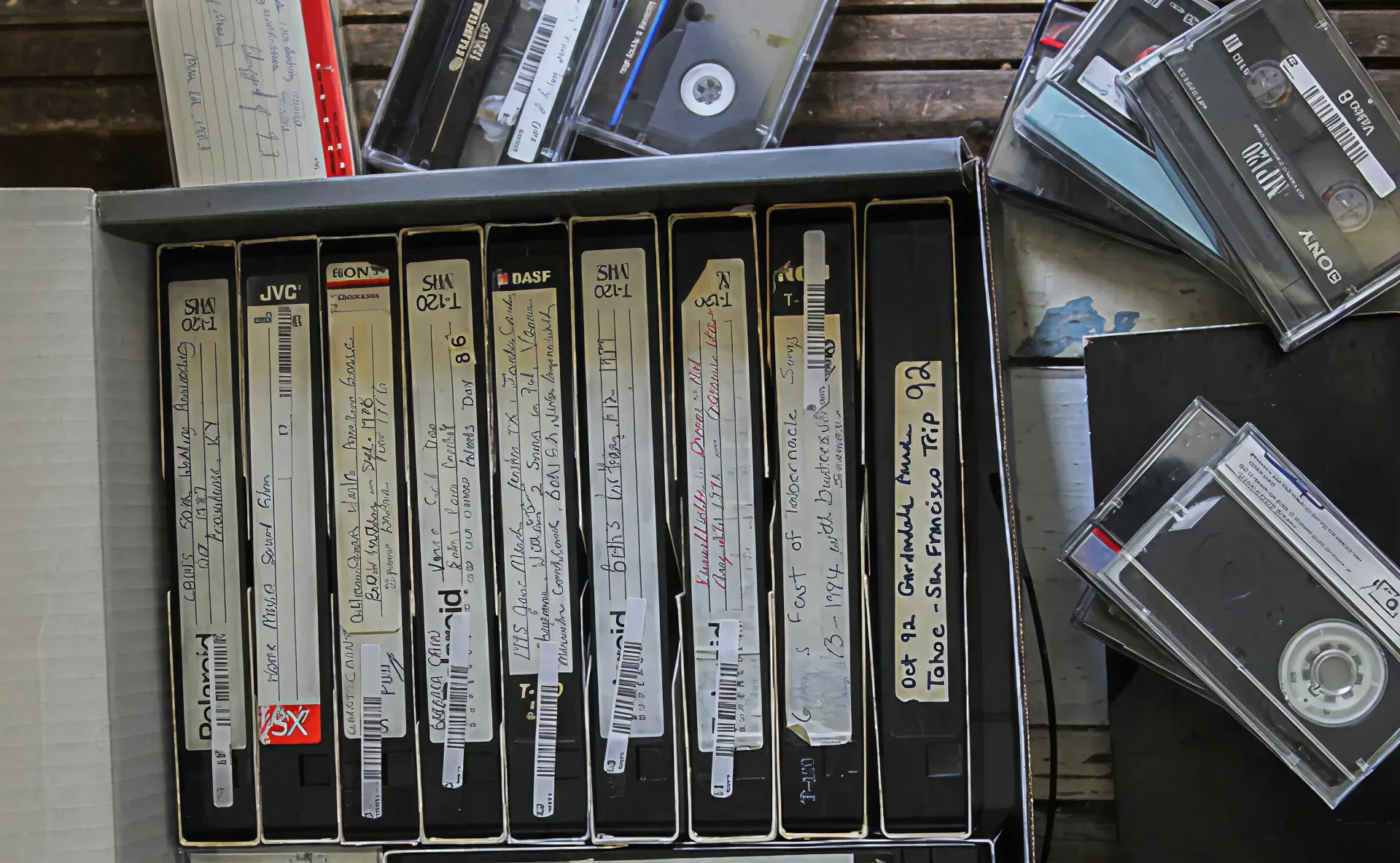
Most advice on looking after VHS tapes is written for dry, temperate homes with spare rooms and loft space. Hong Kong is different. For much of the year the air is warm and damp, flats are small, and the cupboard by the window catches both the afternoon sun and the drip from the air conditioner. Those are exactly the conditions that ruin videotape. Here is how to store your VHS tapes so they survive a Hong Kong summer, how to spot trouble early, and when it makes sense to stop relying on the tapes at all.
What actually damages a VHS tape
A VHS cassette holds a long ribbon of plastic coated with magnetic particles, held on by a binder. Each part has its own weak spot:
Moisture: damp air feeds mould, which grows on the tape surface and edges as white or grey fuzz. It can also make the binder break down, so the coating turns sticky or sheds.
Heat: warmth speeds up chemical ageing and can warp the plastic shell, so the tape no longer runs smoothly.
Swings in temperature: moving tapes between an air-conditioned room and a hot, humid one can cause condensation inside the shell.
Magnetic fields: strong magnets can weaken or scramble the recording.
Dust and handling: dirt on the tape scratches it and clogs the heads of the player.
In Hong Kong, moisture is the big one. Spring and summer humidity often sits above 80%, and mould is the most common damage we see on tapes that come through our doors.
Where to keep tapes in a Hong Kong flat
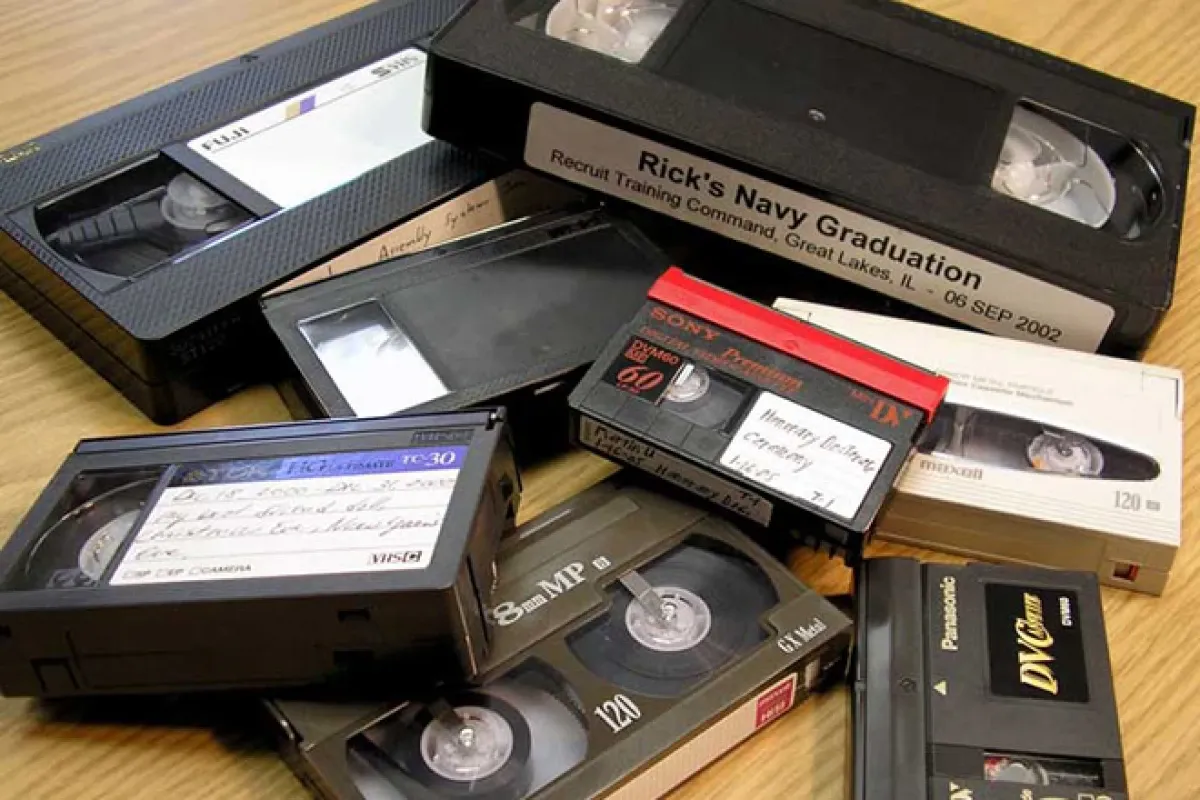
Aim for a spot that stays cool, dark and dry all year. As a rough guide, keep the room below about 25°C and the relative humidity somewhere around 40 to 50%. Some practical choices:
An inside wall, not an outside one. Exterior walls and spots under windows get damp, catch the sun and are the first to suffer if rain gets in during a typhoon or black rainstorm.
Off the floor. A shelf or high cupboard keeps tapes away from leaks, mopping and the coldest, dampest air.
Away from the kitchen and bathroom. Steam travels further than you think in a small flat.
Not on top of the TV or hi-fi. Speakers contain magnets, and electronics give off heat.
Not in a storeroom or rooftop hut. These tend to be the hottest and dampest spaces a family has.
Fighting the humidity
You don't need museum equipment, but you do need to control moisture. Pick the option that fits the size of your collection:
A few tapes: an air-tight plastic box with a few sachets of silica gel. Replace or dry out the silica gel when it changes colour or stops working, and check the box every couple of months.
A shelf's worth: a dry cabinet (防潮箱), the kind photographers use for cameras and lenses. Set it to a moderate level rather than as dry as it will go, since very dry air can make old tape brittle.
A cupboard or room: run a dehumidifier in the room, especially from March to September, and keep the cupboard door closed so it holds the drier air.
A small hygrometer, which costs very little, tells you whether any of this is working.
How to stack and handle them
Stand tapes on their edge, like books. Lying flat for years can put uneven pressure on the tape pack.
Rewind fully before storing. Stopping mid-tape leaves the ribbon unevenly wound and exposes the recorded section.
Use a sleeve or case. A hard plastic case keeps out dust better than a cardboard sleeve, which soaks up moisture.
Hold the shell, never the tape. Don't open the flap or touch the ribbon; oil from fingers attracts dirt and mould.
Label the outside. Write on the case label, not on sticky notes that may peel off or leave residue inside.
Signs a tape needs help
Check your tapes once or twice a year. Shine a torch through the little window and look at the edges of the tape pack. Warning signs include:
White, grey or green spots or a powdery film on the tape
A musty smell when you open the case
Tape that looks crinkled, loose or stuck together
Squealing, stopping or a snowy picture when played
If you see mould, don't put the tape in a player. It can spread spores to the machine and to the next tape you play, and a sticky tape can snap or wrap around the heads. Seal it in a separate bag, away from your other tapes, and get it professionally cleaned before anyone tries to play it.
Storage buys time, not forever
Even a perfectly stored VHS tape is ageing. The magnetic signal weakens slowly, the binder keeps breaking down, and the players needed to watch it are getting harder to find. Many families now find a working VCR only by hunting through second-hand stalls in Sham Shui Po, and a tired machine can chew the very tape you are trying to save.
That is why the safest long-term plan is to digitise the tapes that matter, then keep the files in more than one place, such as a USB at home and a copy in the cloud. Once the recordings are safe, you can decide calmly whether to keep the originals in a dry cabinet, pass them to a relative, or free up the space. If you do let them go, check with your local recycling point first, as not every collection point accepts videotapes.
Common questions
Can I clean mould off a VHS tape myself?
It is risky. Mould can be wiped off the plastic shell, but cleaning the tape itself needs the right machine and care, or you can scrape off the recording. Spores are also not something you want to breathe in.
Is the fridge a good place for tapes?
No. A fridge is cold but damp inside, and taking a tape out into warm Hong Kong air creates condensation straight away.
How long will my tapes last?
There is no fixed number. Tapes kept cool and dry can play well for decades, while tapes kept in a hot, damp cupboard can be damaged within a few years. The only way to know is to inspect them.
Let us look after the tapes you can't replace
Capture HK transfers VHS, S-VHS and VHS-C tapes to MP4 on calibrated decks with time-base correction, at a fixed price per tape whatever its length: HK$200 for SD or HK$300 for Full HD. Mouldy or damaged tapes can be cleaned first (from HK$100) or repaired (HK$200). See the details on our video digitisation page, or get a free quote for your collection.