How to Store and Preserve Your Film: Negatives, Polaroids, 35mm, and More!
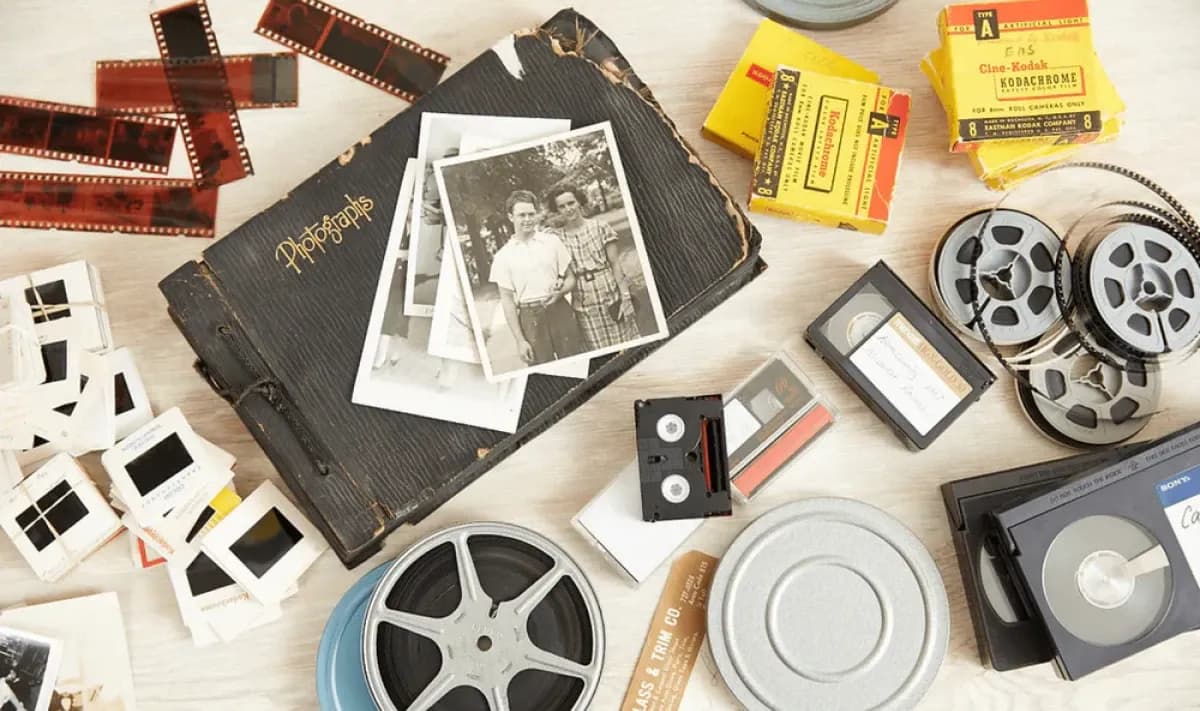
Your film negatives, Polaroids, 35mm film slides, and other photo formats contain your most precious memories. Sadly, photographic film is prone to deterioration which can cause a foggy appearance, fading, staining, and other problems. Plus, if they aren’t protected from humidity, sunlight, and high temperatures, the memories could be effectively lost forever.
Over the last 20 years, Capture experts have learned everything there is to know about preserving your most precious memories. While we recommend digitising your film to ensure future generations can enjoy it, we are also here to help you with expert film storage tips.
Keep reading to learn how to store unprocessed film negatives, Polaroids, 35mm transparencies, and other film types with expert tips, advice, and precautions.
Tips for Storing Film Negatives, Polaroids, and 35mm Film
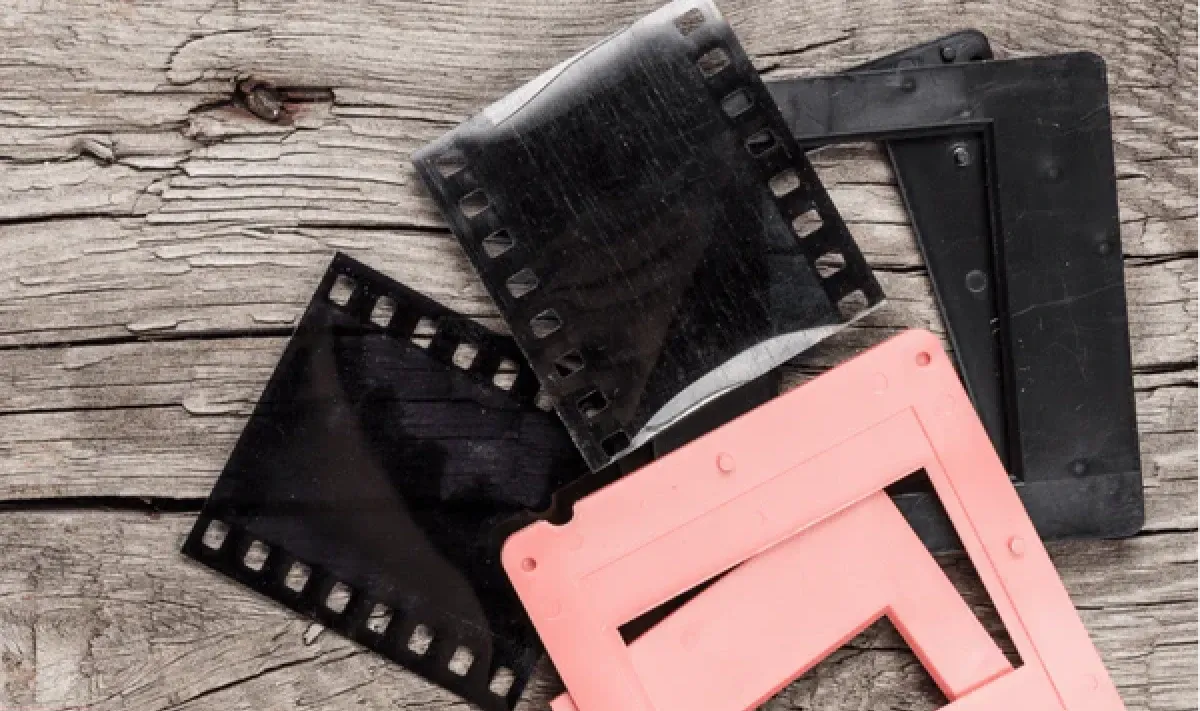
Negatives are the original analogue format known as 1st generation because they are the first type that captures your photograph. When the unexposed film is passed through a camera and the emulsion is exposed to light, the image will appear during development.
Because of this, negatives contain the most detail and produce the highest quality prints and digital images. Negatives can include a wide variety of film formats including 35mm, 110 format, 126 format, medium format, and large format.
In addition to negatives, you may have other film photography types like Polaroids, colour reversal or slide films, or black-and-white reversal films. While these may seem different than negatives, the storage and preservation tips are pretty much the same.
Here are the best tips to ensure your film lasts decades in good condition despite the expiration date.
Keep Film in a Cool Dry Place
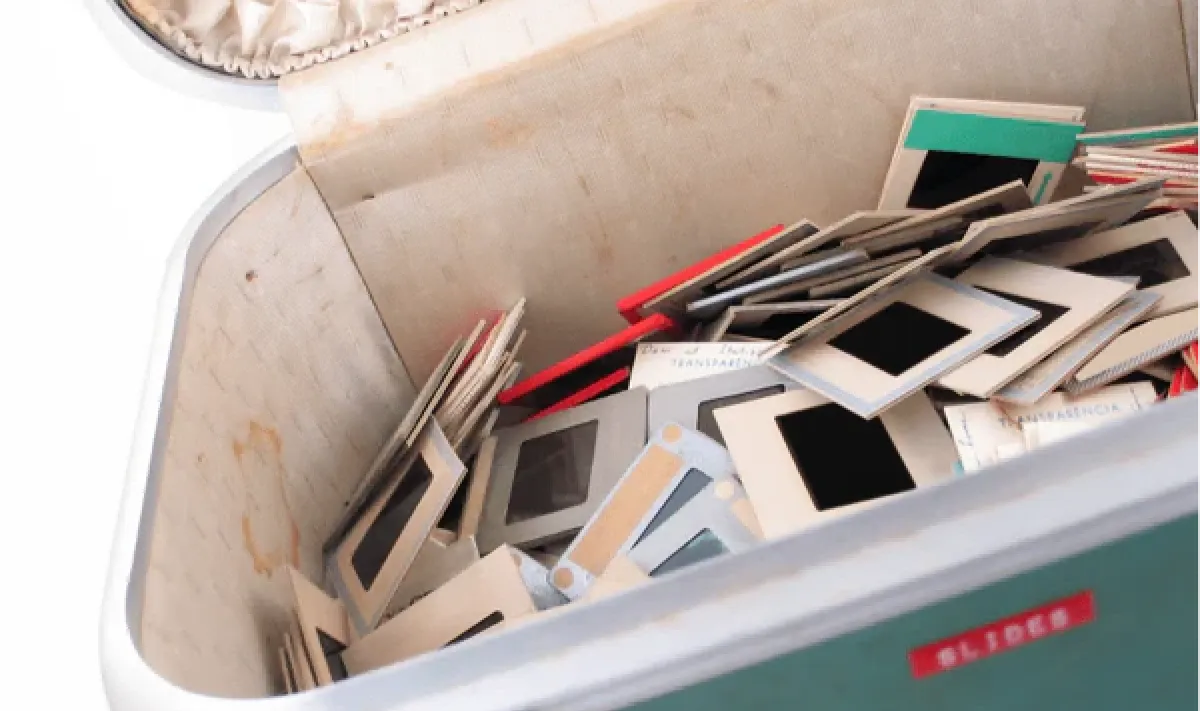
Heat and humidity are the enemies of film negatives and other film types. Over time, high temperatures will mute the colours, reduce vividness, and negatively impact quality. In addition, warm, humid climates can contribute to mould and mildew. However, too little humidity can also cause brittleness.
In general, you want to always keep the humidity between 25% and 35%. We recommend maintaining a low temperature anywhere between 35° and 55° Fahrenheit (approximately 1° to 13° Celsius). However, you can also store film negatives, undeveloped film, and polaroid film stock in refrigeration or cold storage for longer preservation.
Use Archival Sleeves or Acid-Free Envelopes
Archival sleeves or acid-free envelopes, like professional quality ClearFile Archival-Plus Print Pages or Golden State Art See-Through Sleeves, help you prevent damage caused by fingerprints, dust, debris, light, and other atmospheric properties even during long-term storage. Plus, the plastic sleeves allow you to look at your film without removing it so you can safely take it to get developed into photo prints, send it to Capture for digitisation, or store it for long periods without significant degrading.
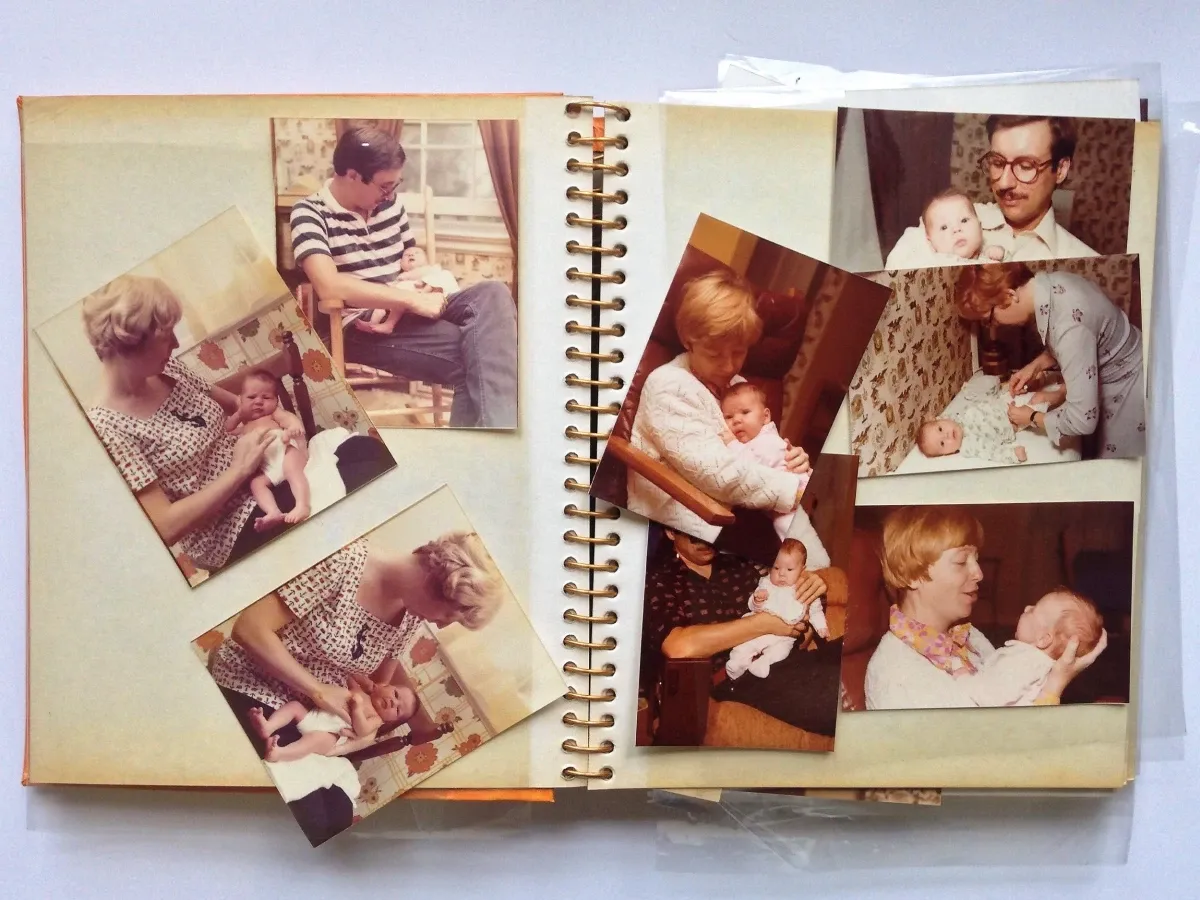
If you’re wondering how to store polaroid film that is already developed, you still want to keep the film cool and prevent moisture, heat, and light by keeping it in acid-free photo boxes or albums.
However, make sure the rolls of film or negative strips are clean and free from dust and debris before placing them carefully into archival or acid-free storage options. We recommend using canned air to blow off any debris before storage.
Store Film Flat or In a Roll
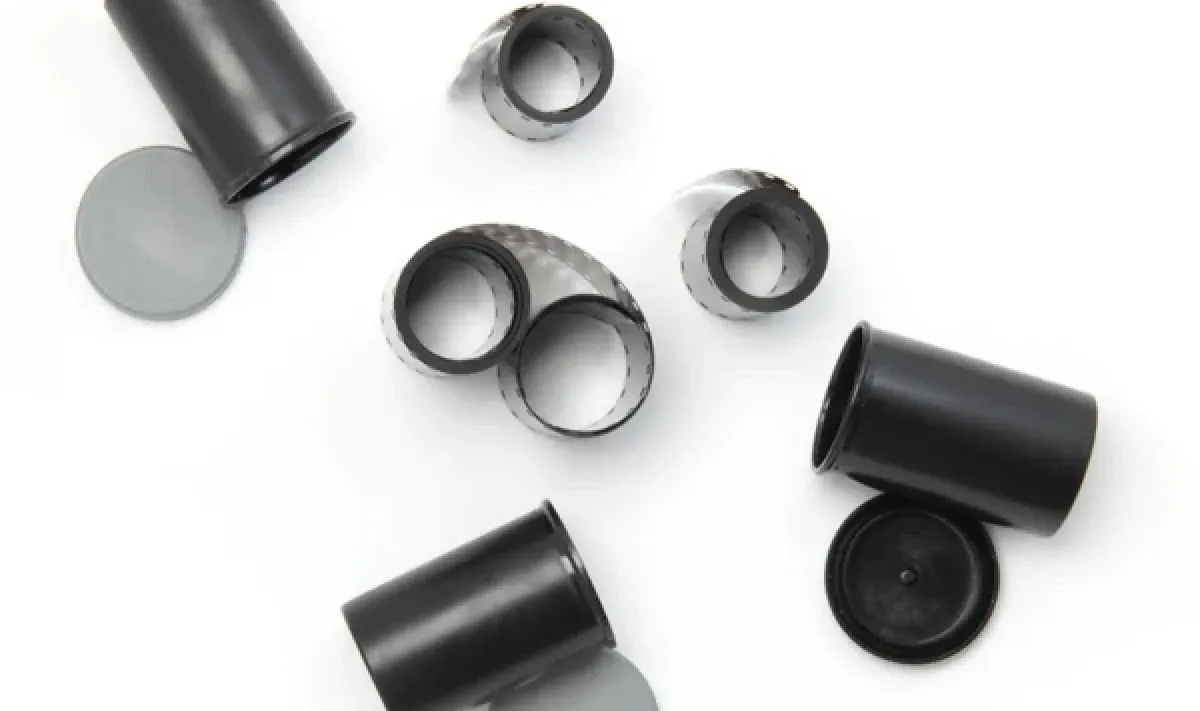
It is best to store negatives and other film types flat or in a roll of film because film tends to warp easily, which can distort the images, make it harder to scan them, and even crack or deteriorate the film and reduce its lifespan. You should also avoid stacking negatives because they tend to stick together, which can destroy them, especially when exposed to extreme heat.
Laying film or Polaroids flat can take up a lot of space, so many people use canisters to hold their colour film photography. Plus, canisters mimic a darkroom to prevent overexposure to light that can cause white film and may even help to maintain low relative humidity compared with the rest of the room.
Handle Film with Clean Dry Hands
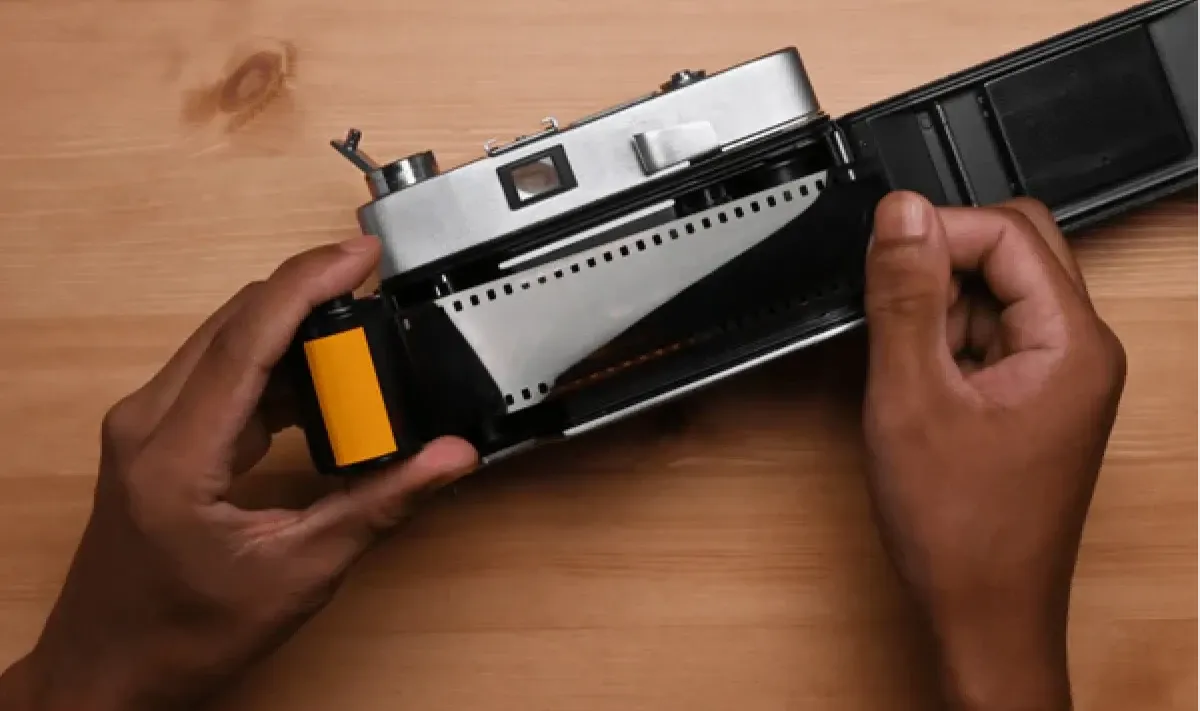
Film photographers recommend holding all film types including 35mm film, negatives, and Polaroids by the edges. That’s because the oil, dirt, and sweat from your hands can damage the emulsion that’s made of silver, nitric acid, and gelatin.
This can cause colour negatives to lose vividness, contribute to drastic fading, cause smudges and scratches, and impact the lifespan regardless of storage conditions. In addition, touching photos also causes them to warm up, which can cause other issues.
In addition to holding film by the edges, try to only touch film with clean, dry hands. This will reduce the impact when you do have to touch the front-facing portion of the film that contains your most precious memories.
Protect Film from X-Rays

While you probably don’t have an X-Ray sitting around your film camera or storage location, it’s worth mentioning that gamma radiation can destroy unprocessed film photography. When exposed to X-rays, the unprocessed film can fade, lose contrast and colour, or become overexposed. Several low doses of gamma radiation can impact the film as much as one significant dose.
Because of this, you may want to avoid bringing undeveloped film on your next aeroplane trip because the X-Ray machines used to check your luggage could end up destroying your priceless memories forever. While you can request a hand inspection for your film to avoid X-ray machines, this may slow down your passage through security, so make sure you plan ahead. In addition, sure you package your film in clear acid-free paper or plastic to protect your film during inspection and make it easy for security officials to see.
Avoid Sunlight
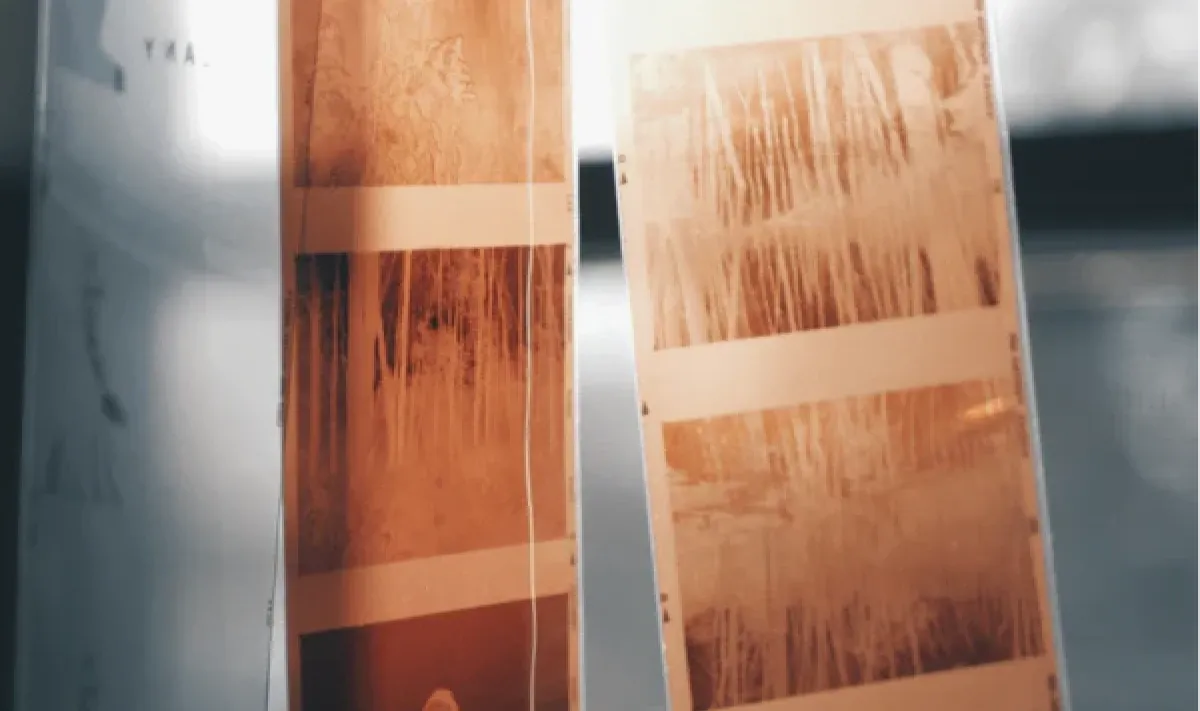
With undeveloped film as well as Polaroids or Kodak instant camera film, too much light can hurt as much as or more than high room temperatures. Light not only causes exposure issues, but it also impacts the photographic dyes.
Because of this, if you don’t have a darkroom, you should try to store all film types and negatives in drawers or boxes. However, avoid using plastic boxes because they may contain preservatives or volatile chemicals that can ruin your film. Instead, invest in an acid-free storage option as mentioned above.
Label Film Properly
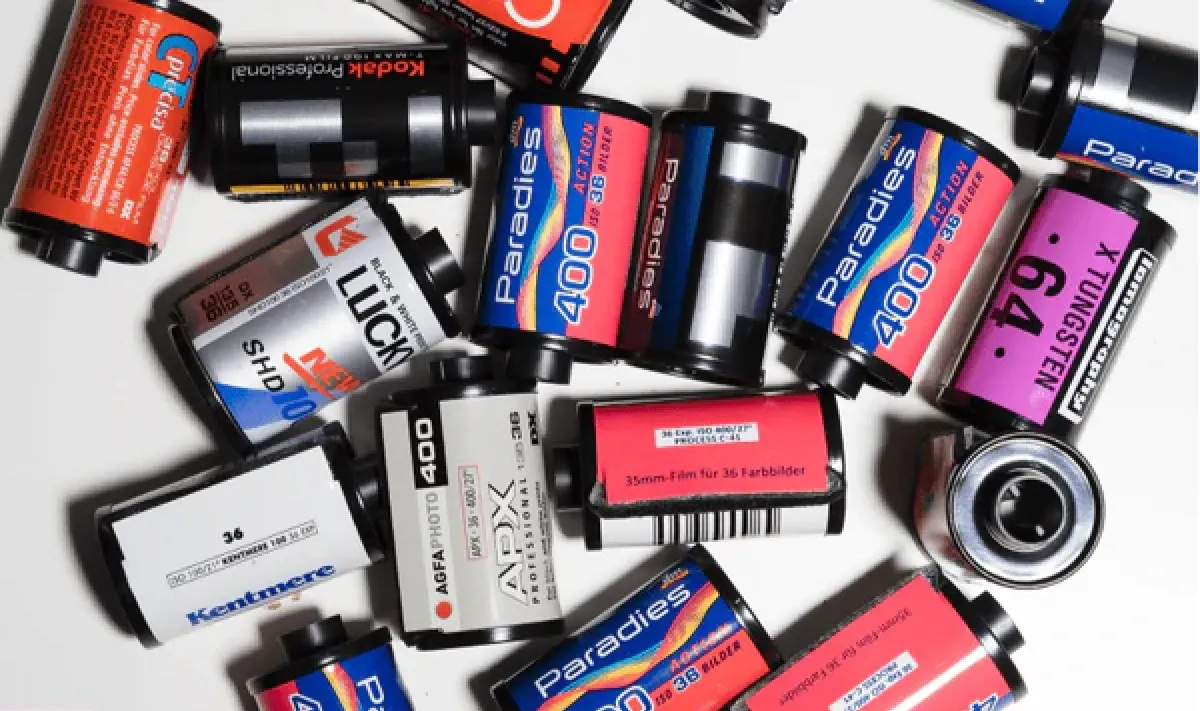
You may be wondering how to store film negatives or other film types simply to protect them from damaging conditions during long-term storage, but you should also consider the impact of organisation. If you label your film as well as the boxes and containers that hold it, you will have to handle less film, expose less film to light, and be able to enjoy your film anytime you want. This is also a good best practice for how to store film after shooting or digitising simply for better enjoyment and sharing.
Consider Using a Dehumidifier or Humidifier
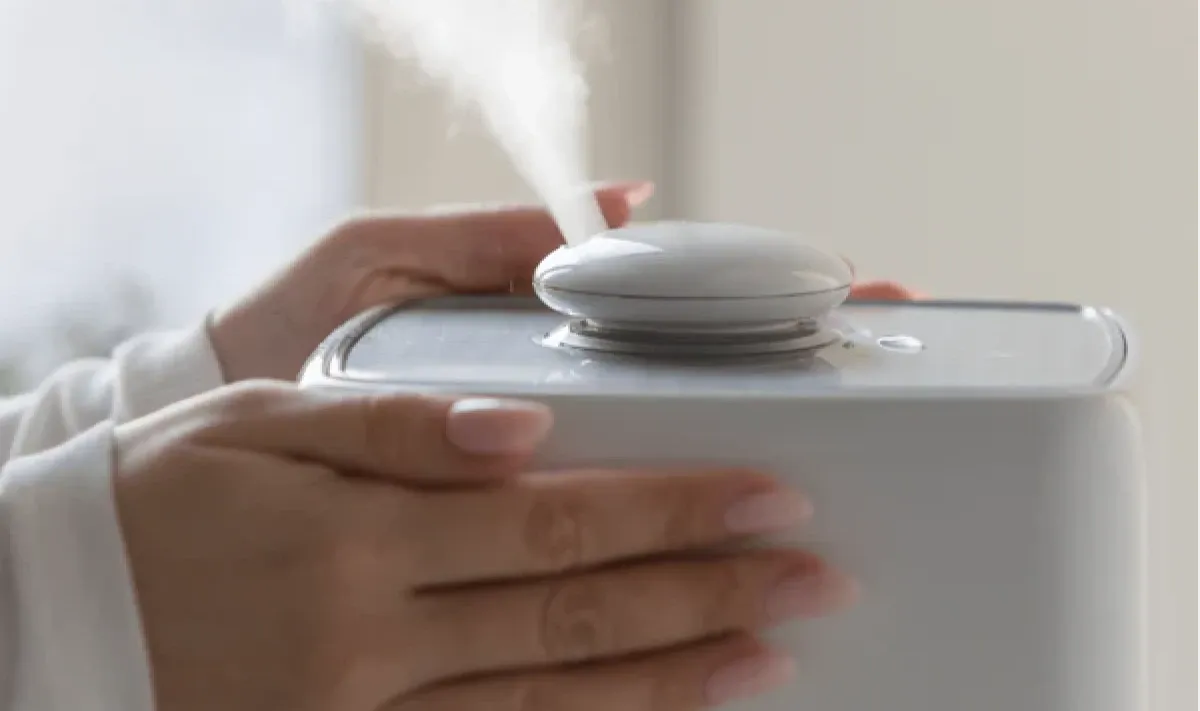
If you are having trouble keeping the humidity right, then consider using a dehumidifier or humidifier. In most places, a dehumidifier is more common because high humidity, mould, and mildew are the biggest concerns. However, if you live in a very dry climate then a humidifier may be necessary to keep your film from drying out and becoming brittle.
Use a Fire-Resistant Safe
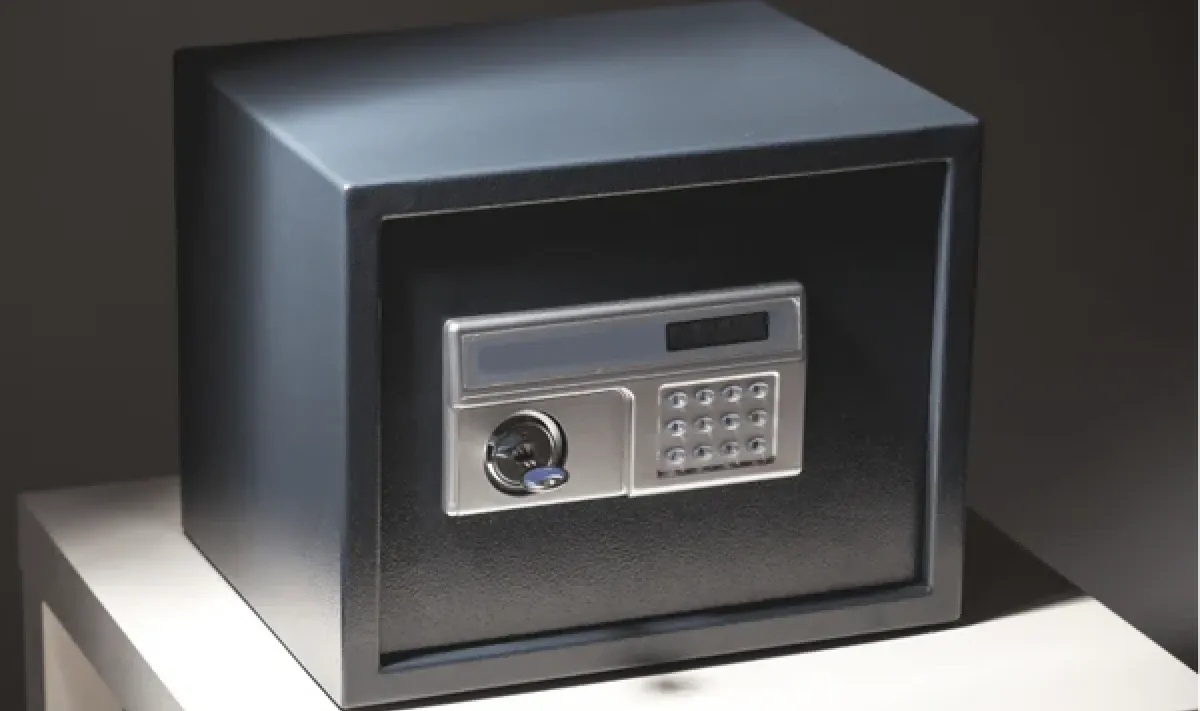
Since your film is irreplaceable, especially if you haven’t preserved it in digital format yet, you may want to consider using a fire-resistant safe. That way, your memories are protected during a disaster so you can still cherish, enjoy, and share them with loved ones.
Avoid Using Tape for Organisation
Using tape on film, even if it’s on the back of Polaroids, can be damaging because the adhesive can be highly acidic. Instead, try labelling boxes and photo albums, or simply place them in acid-free sleeves that you can label with a pencil.
Keep Film Away from Pets and Children
Make sure you keep your 35mm film, negatives, Polaroids, and all other film types away from dogs and children whenever possible. Pets, and kids can knock over containers, shed hair, spill liquids or food, or otherwise disturb your film. This could end up destroying your entire collection of precious memories in an instant.
Digitise Them Now
Knowing how to store film properly is important to preserving the physical copies containing a lifetime of memories. The most important lessons for how to store 35mm film, negatives, and Polaroids are to maintain a low humidity (but not too low), protect film from light and heat, and keep them in acid-free storage options away from damaging fingers, dust, and debris.
However, the best way to permanently store videotapes and make sure that future generations can enjoy, view, share, and love your memories is to digitise it with Capture. We can create high-quality digital copies of your videos while keeping your original videotapes safe from harm. Click here to learn more about our videotape digitisation services.
Loading...