Photo Preservation in Hong Kong: How to Protect Printed and Digital Photos
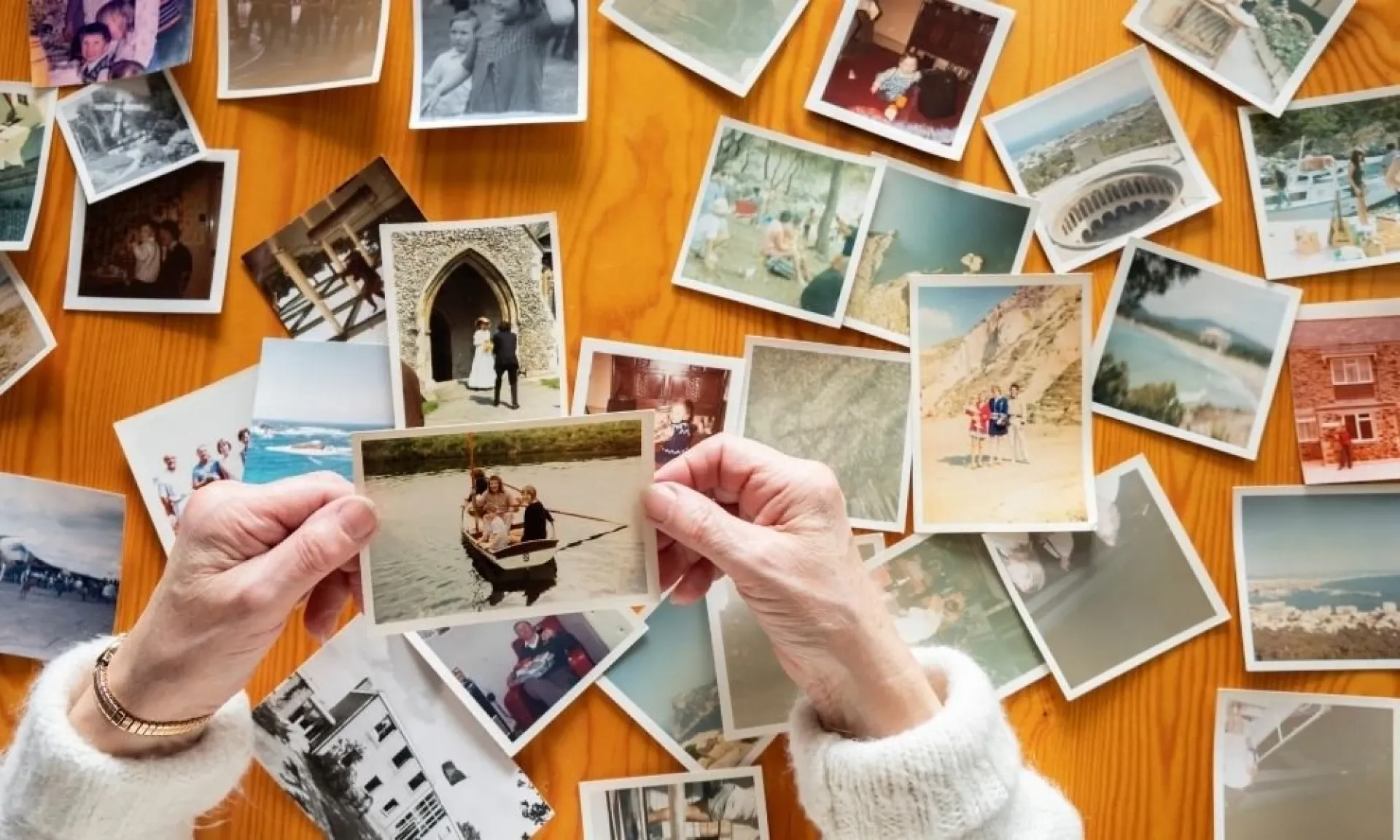
Photos age everywhere, but in Hong Kong they age faster. Months of 80% humidity, the clammy weeks of 回南天 when walls and floors sweat, and long summers of heat all work on paper, gelatin and adhesive. Families open an album after a few years in a storeroom and find prints stuck to their plastic sleeves, faces covered in brown spots, or a fine grey fuzz of mould across a wedding portrait. Most of this is preventable. Here is how to protect printed photos in a humid city, and how to keep the digital copies safe too.
What actually damages photos
Moisture. The biggest threat here. High humidity softens the gelatin layer of a print, lets mould grow on it, and makes prints stick to glass, plastic and each other.
Heat. Speeds up the chemical changes that cause fading and yellowing. A cupboard against a sun-facing wall or a rooftop storeroom is a poor home for albums.
Light. Daylight and strong indoor light fade colour prints, especially those from the 1970s and 80s.
Bad materials. Acidic paper, cheap PVC sleeves and the "magnetic" self-adhesive albums popular decades ago slowly yellow and stain the photos they hold.
Hands and pests. Skin oil leaves fingerprints that attract dirt, and silverfish and cockroaches will eat the gelatin and paper.
Humidity: the Hong Kong problem
Archives generally aim to keep photographs at a relative humidity of about 30–50% and a steady, cool temperature. Few Hong Kong homes manage that naturally, but you can get close for the shelf or box that matters.
Use a dry cabinet (防潮箱) for the most precious albums and loose prints. Set it in the 40–50% range rather than as dry as it will go, because very dry air can make old prints curl and crack.
Run a dehumidifier in the room where photos are kept, especially from spring through summer. A cheap hygrometer tells you whether it is working.
Use air-tight boxes with silica gel for photos that do not fit in a cabinet. Choose colour-changing gel and dry or replace it when it changes.
Keep air moving. A sealed, unventilated cupboard against an outside wall is where mould starts. Leave a gap behind boxes and open the cupboard now and then.
Store off the floor and away from windows. Typhoons and black rain bring leaks, and a box on the floor is the first thing to get wet.

Storing printed photos the right way
Choose safe enclosures
Look for sleeves, boxes and album pages labelled acid-free and lignin-free, or that state they pass the Photographic Activity Test (PAT), the international test for materials stored with photographs. For plastic, polyester, polypropylene and polyethylene are safe; avoid PVC, which has a strong plastic smell and gives off chemicals that damage prints.
Rescue photos from old self-adhesive albums
If prints are in sticky "magnetic" albums, the adhesive is slowly working into the paper. Try lifting a corner gently. If it resists, stop: forcing it can tear the photo. Prints that won't come away safely are better left in place and digitised as they are.
Store flat or upright, not squashed
Keep loose prints flat in boxes, or upright in sleeves like files in a folder. Don't pack them so tightly that they press together, and don't use rubber bands or paper clips.
Display copies, not originals
Frame a print of the scan, not the only original. If you do frame an original, hang it on an inside wall away from direct sun and the kitchen, and check behind the glass each year for spots or sticking.
Handling and cleaning
Hold prints by the edges, ideally wearing clean cotton or nitrile gloves.
Remove loose dust with a soft air blower. Brushes and cloths can drag grit across the surface and scratch it.
Never wipe a print with water, alcohol or household cleaners.
If you find mould, put the photo in a separate box so it doesn't spread, and let it dry in a well-ventilated room before deciding what to do. Badly affected or valuable prints are a job for a photograph conservator.
Write names and dates on the back only with a soft pencil, lightly, near the edge. Ballpoint pens can press through and inks can bleed.
Preserving digital photos
Digital files don't fade or grow mould, but they can disappear in one moment when a phone is lost or a hard drive fails. A few habits keep them safe:
Follow the 3-2-1 rule: three copies, on two different kinds of storage, with one kept somewhere else. For example, files on your computer, a USB or external drive at home, and a copy in a cloud service such as Google Photos.
Name and organise folders by year, event or album so someone else in the family could find a photo without you.
Use widely supported formats such as JPG, which will open on almost any device for years to come.
Check old drives every year or two and copy the files to new storage before the old one fails.
Share copies with relatives in other cities. A family archive spread across several homes is far harder to lose.
Why digitising is the best insurance
Even the best storage only slows the damage down. A digital copy means that if a leak, a mould outbreak or a house move goes wrong, the pictures themselves survive. It also lets you put the originals away in good conditions and stop handling them.
At Capture HK, photos that come out easily are scanned at up to 1200 dpi, while photos stuck in albums or frames are captured in place with our patented 8-layer glare removal, so there's no need to peel anything out. Gold and Diamond plans add colour restoration for faded prints. Your files come back as high-resolution JPGs on USB, in Google Photos, or both. See plans and prices on our photo digitisation page, or get an instant estimate with our free quote.