8mm vs Super 8 Film: How to Tell Them Apart and Play Them
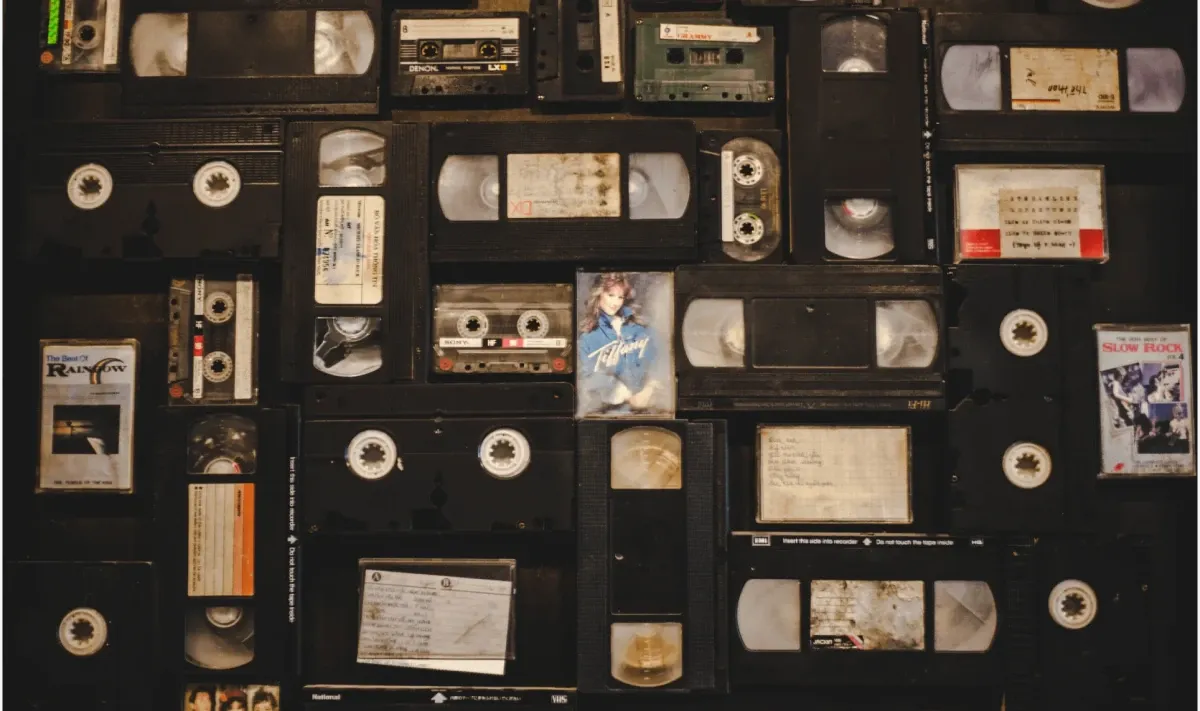
You have found a small tin or plastic box of home movies, perhaps from a grandparent who filmed family outings in the 1950s or a parent who carried a cine camera on holidays in the 70s. The box might say 8mm, Super 8, or nothing at all. The two formats are the same width, so they look almost identical at a glance, but they are not interchangeable: a projector built for one will not run the other properly. Here is how to tell them apart, why the difference matters, and how to watch the footage safely.
The 30-second answer
Standard 8mm (also called Regular 8 or Double 8) came first, in 1932. Large sprocket holes, a small picture, usually silent.
Super 8 arrived in 1965. Small sprocket holes, a bigger picture, loaded in an easy cartridge, and often with sound from the 1970s on.
Both strips are 8 mm wide, but the frame size and the hole positions differ, so each needs the right projector or a dual-format machine.
Standard 8mm: the original home-movie film
Kodak introduced standard 8mm in 1932 to make home movies cheaper than with 16mm film. The clever trick was the "Double 8" spool: the film was actually 16mm wide, with twice the usual number of perforations. You ran it through the camera once to expose one half of the width, then flipped the spool and ran it again to use the other half. After processing, the lab slit the film down the middle and joined the two halves end to end, giving you one long 8mm reel.
Loading a Double 8 camera meant threading film by hand and turning it over halfway, often in dim light to avoid fogging the edges. It was fiddly, but cameras were small and running costs low, so 8mm became the standard home-movie format for over three decades.
Super 8: the easier upgrade
Kodak launched Super 8 in 1965 to make filming simpler. The film came in a plastic cartridge that you just dropped into the camera. No threading, no flipping. Fuji introduced its own Single 8 system the same year; it uses a different cartridge but the same frame layout, so Single 8 film plays on a Super 8 projector.
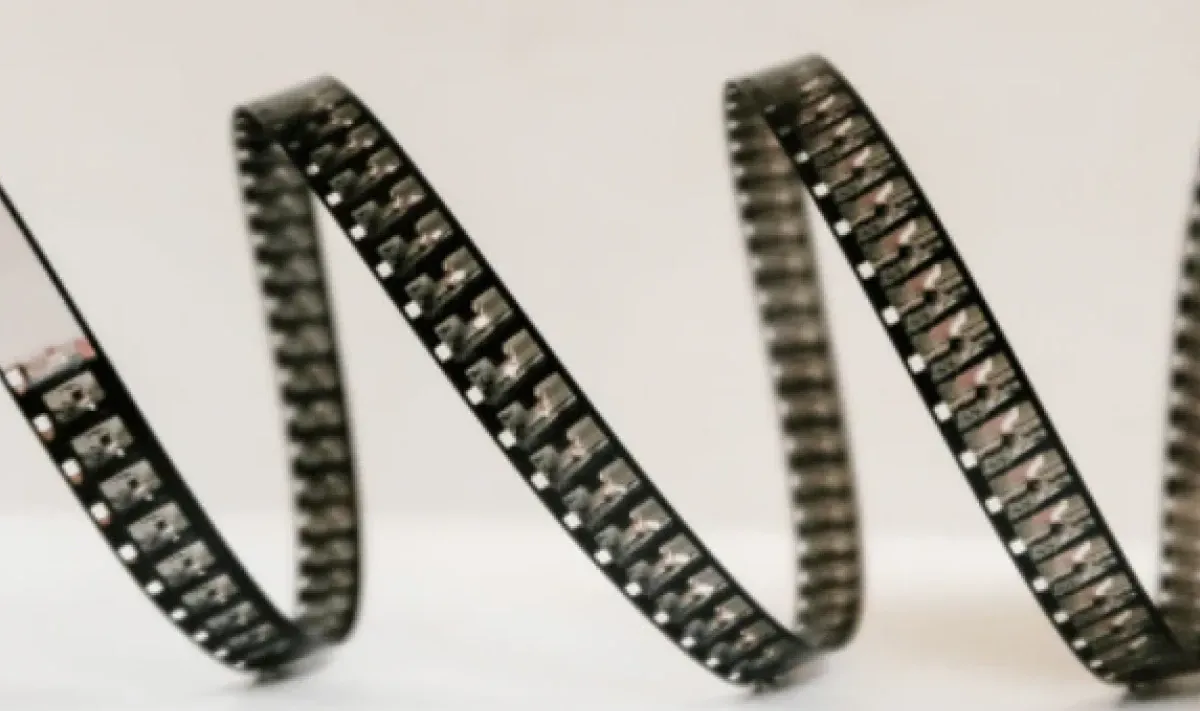
The real gain was in the picture. By making the sprocket holes much smaller, Super 8 freed up space on the same 8 mm strip for a larger frame. Super 8 cameras also tended to add automatic exposure and zoom lenses. From 1973, Kodak offered Super 8 sound film with a thin magnetic stripe along the edge, so the camera could record sound directly onto the film.
How to tell which film you have
Hold the film up to a light and look closely at the edge, ideally with a magnifier. Handle it by the edges only, wearing cotton gloves if you have them.
1. The sprocket holes
Standard 8mm: fairly large holes, sitting level with the line between two frames.
Super 8: noticeably smaller, narrow rectangular holes, sitting beside the middle of each frame.
This is the most reliable test, and it works even on unlabelled reels.
2. The picture area
On Super 8 the image fills more of the strip, leaving only a thin margin on the hole side. A Super 8 frame has roughly 50% more picture area than a standard 8mm frame.
3. A brown stripe
A thin brown or dark line running along one edge is a magnetic sound stripe. It appears mostly on Super 8 sound film, though some standard 8mm was striped after processing for sound.
4. The box and the reel
Boxes and labels often say "Super 8", "Kodachrome", "Ektachrome" or a date stamped by the lab. Treat the label as a clue only; people reused boxes.
Other differences that matter
Picture quality
The larger frame gives Super 8 a sharper, less grainy image when enlarged on a screen or scanned. Standard 8mm can still look lovely, especially colour film that has been stored well, but it has less detail to work with.
Frame rate
Standard 8mm was usually filmed at 16 frames per second. Super 8 introduced 18 fps as its normal speed, with 24 fps on many cameras, especially for sound. Playing film at the wrong speed makes people walk too fast or too slowly, which is one reason a proper transfer matters.
Running time
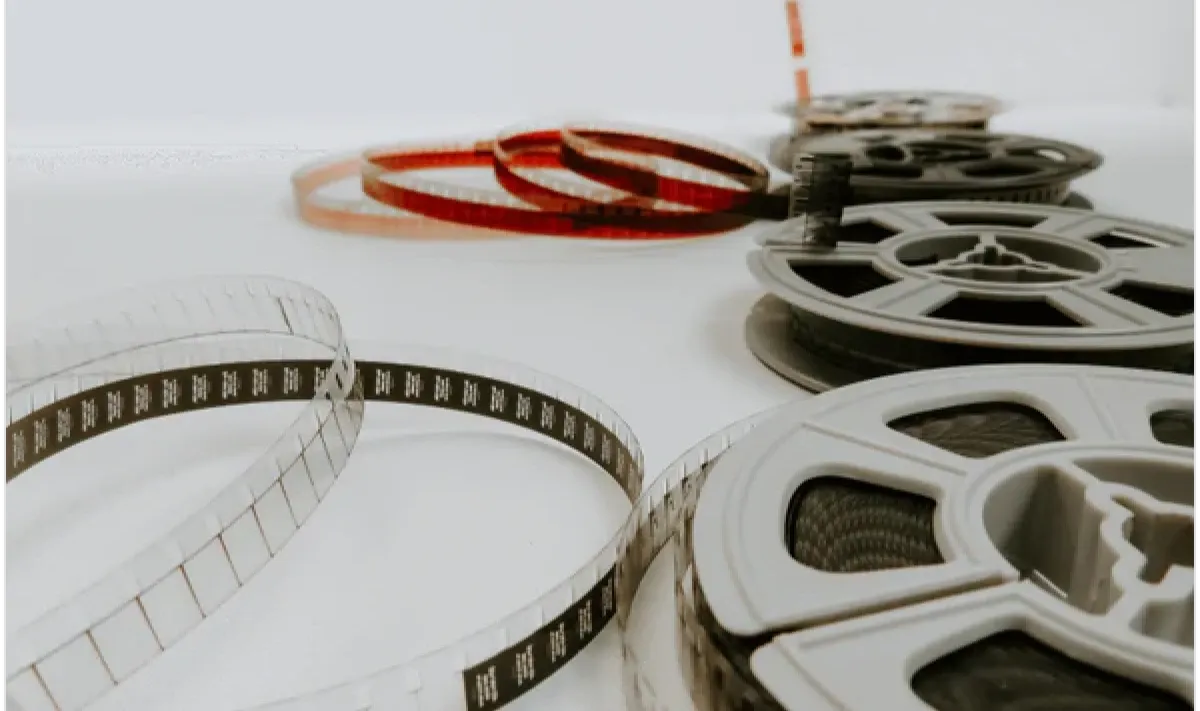
Reel size tells you roughly how much film you have. A 3-inch reel holds about 50 feet, a 5-inch reel about 200 feet and a 7-inch reel about 400 feet. Fifty feet runs for around four minutes on standard 8mm at 16 fps, and a little over three minutes on Super 8 at 18 fps.
How to watch your film
On a projector
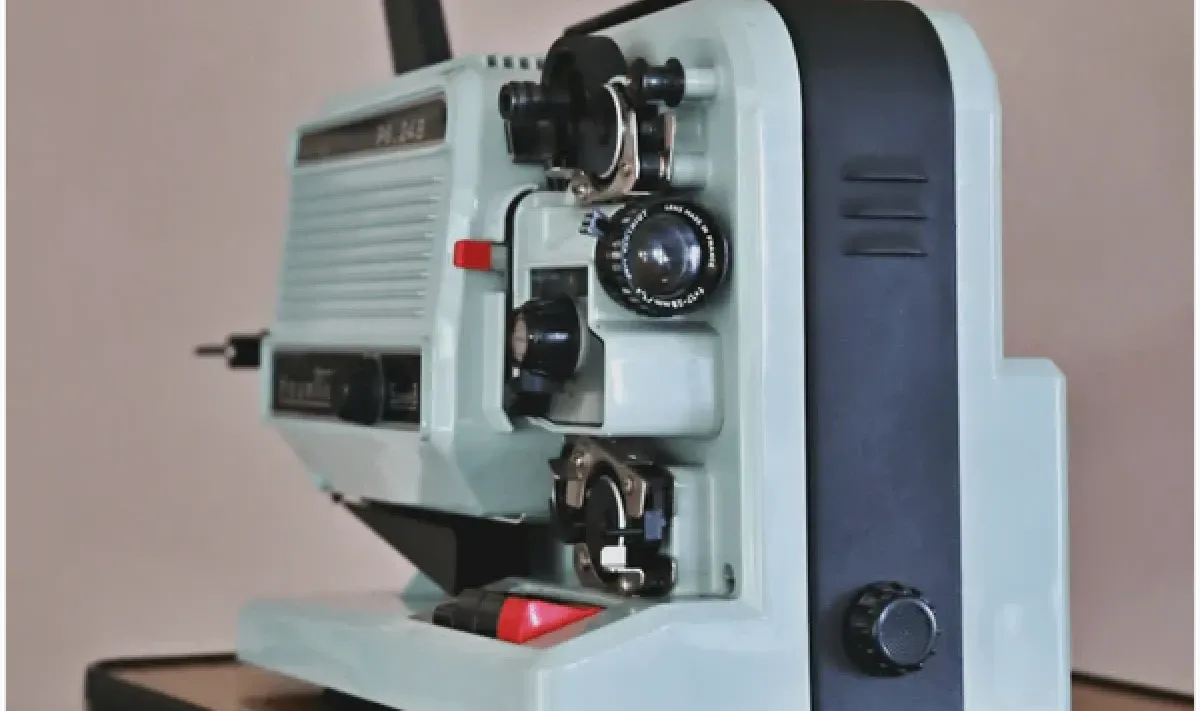
A projector shows film the way it was meant to be seen, but you need the right type: standard 8, Super 8, or a dual-format model that switches between the two. Working projectors still turn up second-hand, including around Sham Shui Po, but check that the bulb, belts and speed control work before you buy. An old projector with a worn gate or a stuck sprocket can scratch or tear film in seconds.
On a film viewer
A hand-cranked editor-viewer lets you wind through the film and see the images on a small screen. It is slow and only one person can watch, but it is gentle and handy for checking what is on an unlabelled reel.
Before you play anything
Hong Kong humidity is hard on film. Do not project a reel if you notice:
A sharp vinegar smell (a sign the acetate base is breaking down)
White, web-like or furry spots, which usually mean mould
Film that is brittle, curled, shrunk or stuck together
Old splices also dry out and can snap in a projector. If in doubt, have the film checked by a specialist first.
Digitising: the safest way to share it
A frame-by-frame scan captures every frame without the stress of projection and lets you watch at the correct speed on any phone, laptop or TV. It also means relatives in Hong Kong and overseas can see the same footage without passing a fragile reel around. Keep the original film afterwards in a cool, dry place, such as a dry cabinet, away from outside walls.
Turn your 8mm and Super 8 reels into digital video
Capture HK digitises standard 8mm and Super 8 from HK$600 per reel, priced by reel size (sound film costs a little more), as well as 16mm. Bring your reels to our Central or Lai Chi Kok store or book a collection. See the details on our film digitisation page, or get an estimate with our free quote.