How Long Does Film Last? A Guide to Expired, Undeveloped and Developed Film
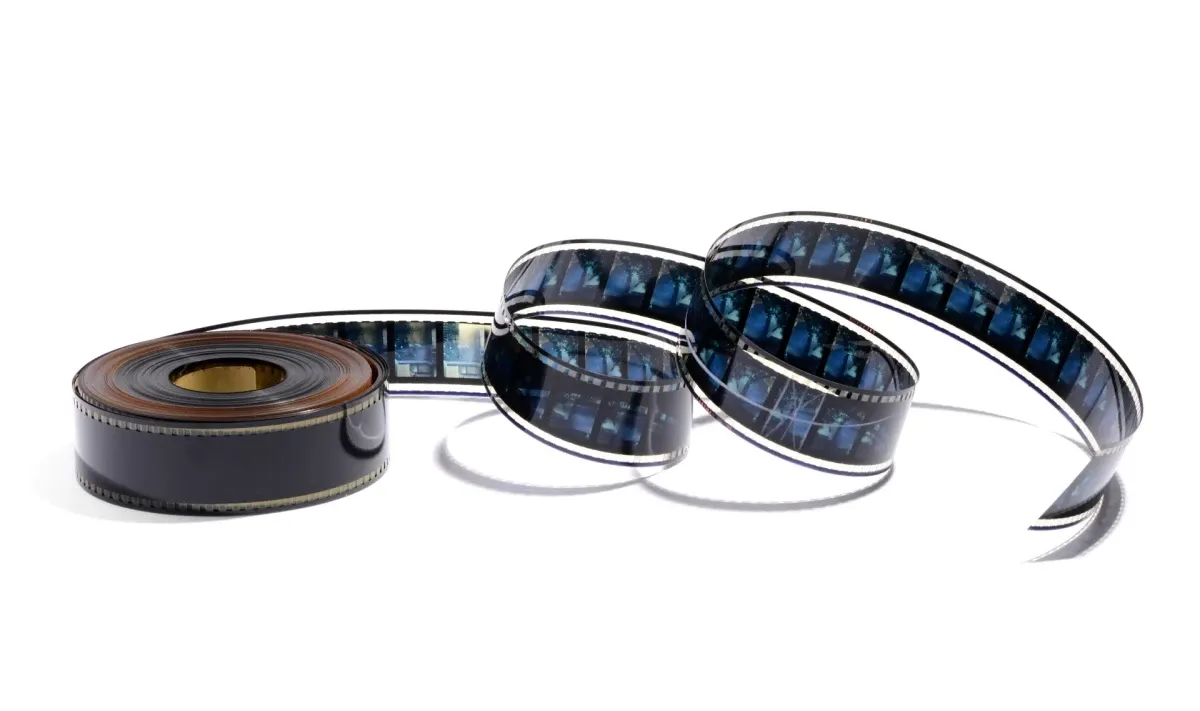
Open a drawer in many Hong Kong homes and you will find a strip of negatives in a paper sleeve, a box of slides from a 1980s holiday, or an unused roll of film that has been sitting in an old camera bag for years. All of it is ageing, and in a climate as warm and humid as ours, faster than you might expect. How long film lasts depends on three things: what stage it is at (unused, shot but not developed, or developed), what kind of film it is, and how it has been stored. Here is what to expect for each, the warning signs to look for, and how to slow the damage down.
Quick answer
Unused film: best before the expiry date printed on the box. After that it still works, but results get gradually worse, and heat speeds this up a great deal.
Shot but not developed: the hidden image starts to fade once the picture is taken. Develop it as soon as you can.
Developed negatives and slides: can last for generations in cool, dry, dark storage, but colours fade and mould can set in within a few years if conditions are poor.
Unused film and the expiry date
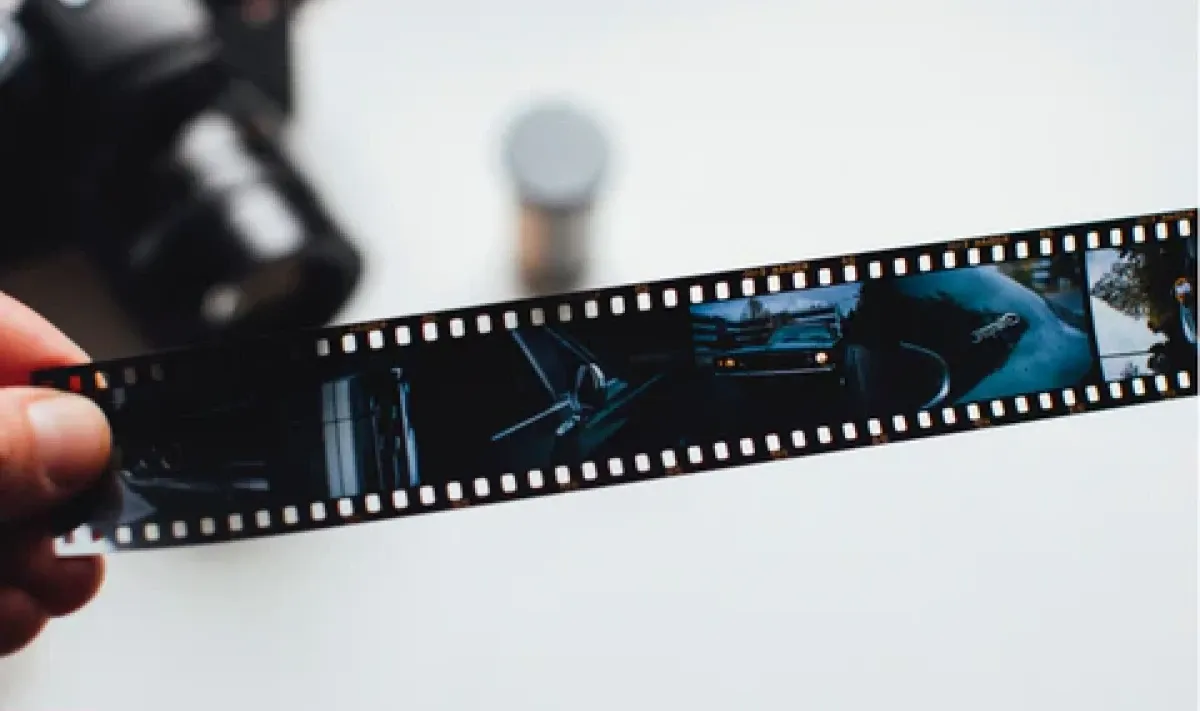
Photographic film is a thin plastic base coated with a gelatin layer holding light-sensitive silver halide crystals; colour film adds layers of dye-forming chemicals. Even sealed in its canister, this coating slowly reacts to heat, humidity and background radiation. The manufacturer's expiry date marks the point after which they no longer guarantee the stated speed and colour.
Expired film does not suddenly stop working. Typically it loses sensitivity, picks up an overall haze called fog, shows more grain, and in colour film, drifts towards a colour cast. Film kept in a fridge may be fine for years past its date, while a roll left in a hot car or a flat with no air-conditioning through a Hong Kong summer can show problems much sooner. Some photographers enjoy expired film for its unpredictable look and give it extra exposure to compensate.
Film that has been shot but not developed
Once you press the shutter, the film holds a latent image: an invisible pattern that only becomes a picture when developed. That pattern weakens over time, and heat and humidity weaken it faster. The safe advice is to have exposed film processed within weeks, not years.
Rolls forgotten for a long time can still produce images, especially black and white film, whose final image is made of silver rather than dyes. Expect fainter, foggier results, particularly from colour film. The same applies to a used disposable camera found at the back of a cupboard. Some labs in Hong Kong still process colour and black and white film; ask them about very old rolls before you hand them over.
Developed negatives, slides and cine film
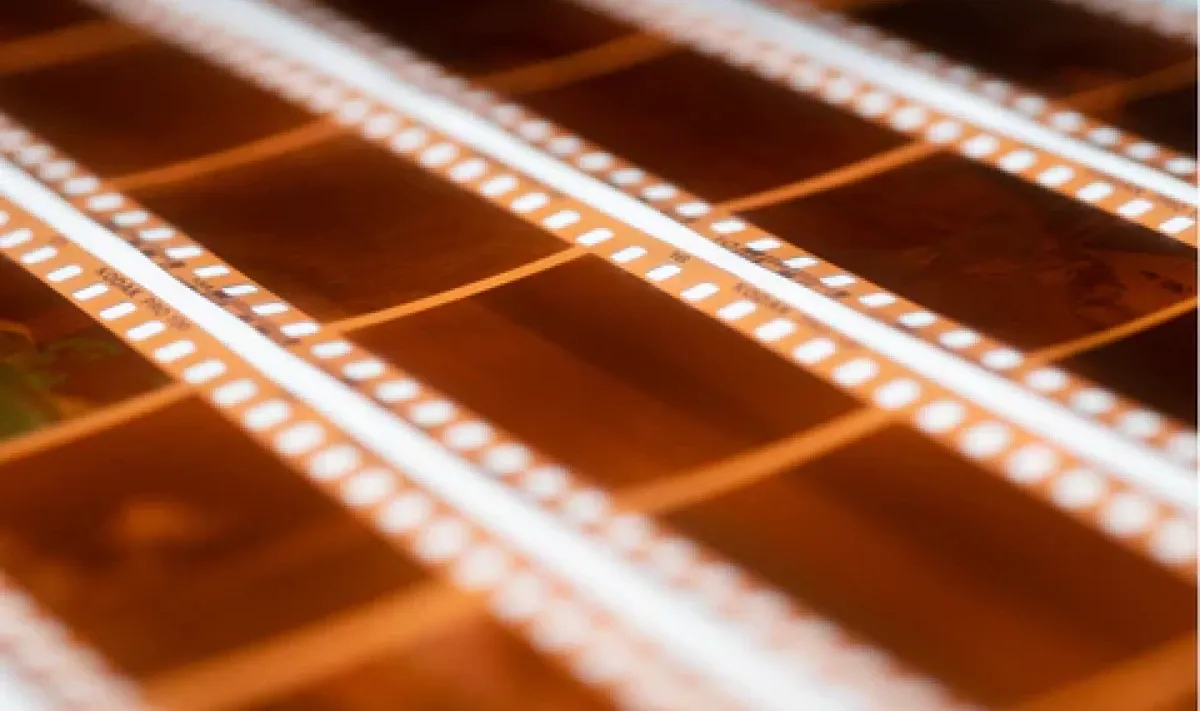
Once processed, film is far more stable, but it is not permanent. The main threats are:
Dye fading. Colour images are made of dyes that fade over time, often unevenly, which is why old slides and prints turn red or magenta. Some slide films, such as Kodachrome, are known for holding their colour well in dark storage; others fade more quickly, particularly when projected often.
Mould. Fungus feeds on the gelatin layer and leaves web-like marks or spots. In Hong Kong this is the most common damage we see on slides, negatives and cine film, especially in items kept in cupboards against outside walls.
Vinegar syndrome. Many negatives and home-movie films are on a cellulose acetate base. As it breaks down it gives off a sharp vinegar smell, then shrinks, curls and turns brittle. Heat and humidity speed it up, and it spreads to nearby film in a closed box.
Physical damage. Scratches, fingerprints, creases and torn sprocket holes, often from handling or old projectors.
Some very old negatives, from before about the 1950s, may be on nitrate base, which is flammable. If you find any, keep them away from heat and ask an archive or specialist for advice.
Warning signs to check for
Colours that look washed out, pink, red or blue overall
A cloudy or hazy look across the image
Fuzzy white or grey spots, threads or webs (mould)
A vinegar smell when you open the box or tin
Film that is curled, wavy, sticky or brittle
Slides whose mounts have warped or let in dust
If you see any of these, move the film somewhere drier straight away and avoid projecting or handling it more than necessary.
How to make film last longer
Keep it cool and dry
Heat and humidity are the two biggest enemies. Aim for a steady room temperature and moderate humidity (archivists generally suggest roughly 30% to 50% relative humidity). In Hong Kong, a dry cabinet (防潮箱) or an air-tight box with silica gel packs that you replace or recharge regularly makes a big difference. Keep boxes off the floor and away from windows, where typhoon rain and condensation can reach them.
Use the fridge for unused film
Unopened rolls keep well in a sealed bag in the fridge. Let the film warm up to room temperature before opening the bag, or moisture will condense on it.
Handle it by the edges
Skin oils leave marks that attract dust and mould. Hold negatives and slides by their edges, or wear lint-free cotton or nitrile gloves, and store them in archival, acid-free sleeves rather than old paper envelopes or PVC pages.
Give it air if it smells of vinegar
Separate any film with a vinegar smell from the rest of the collection so the problem doesn't spread, and prioritise it for digitising.
Make a digital copy
Good storage slows decline, but it can't stop it. Scanning your developed negatives, slides and cine film now captures them at their current condition, before colours fade further or mould spreads.
Digitise your film with Capture HK
Capture HK scans slides from HK$6 per slide and negatives from HK$4 per frame, delivered as high-resolution JPGs with dust and colour correction. We also transfer 8mm, Super 8 and 16mm cine film. Please note we digitise developed film only and don't process undeveloped rolls. See our slides and negatives service and film transfer service, or get a free quote.
Loading...