Ding Ding Tram - A Nostalgic Memory Filled with Hong Kong's Colours
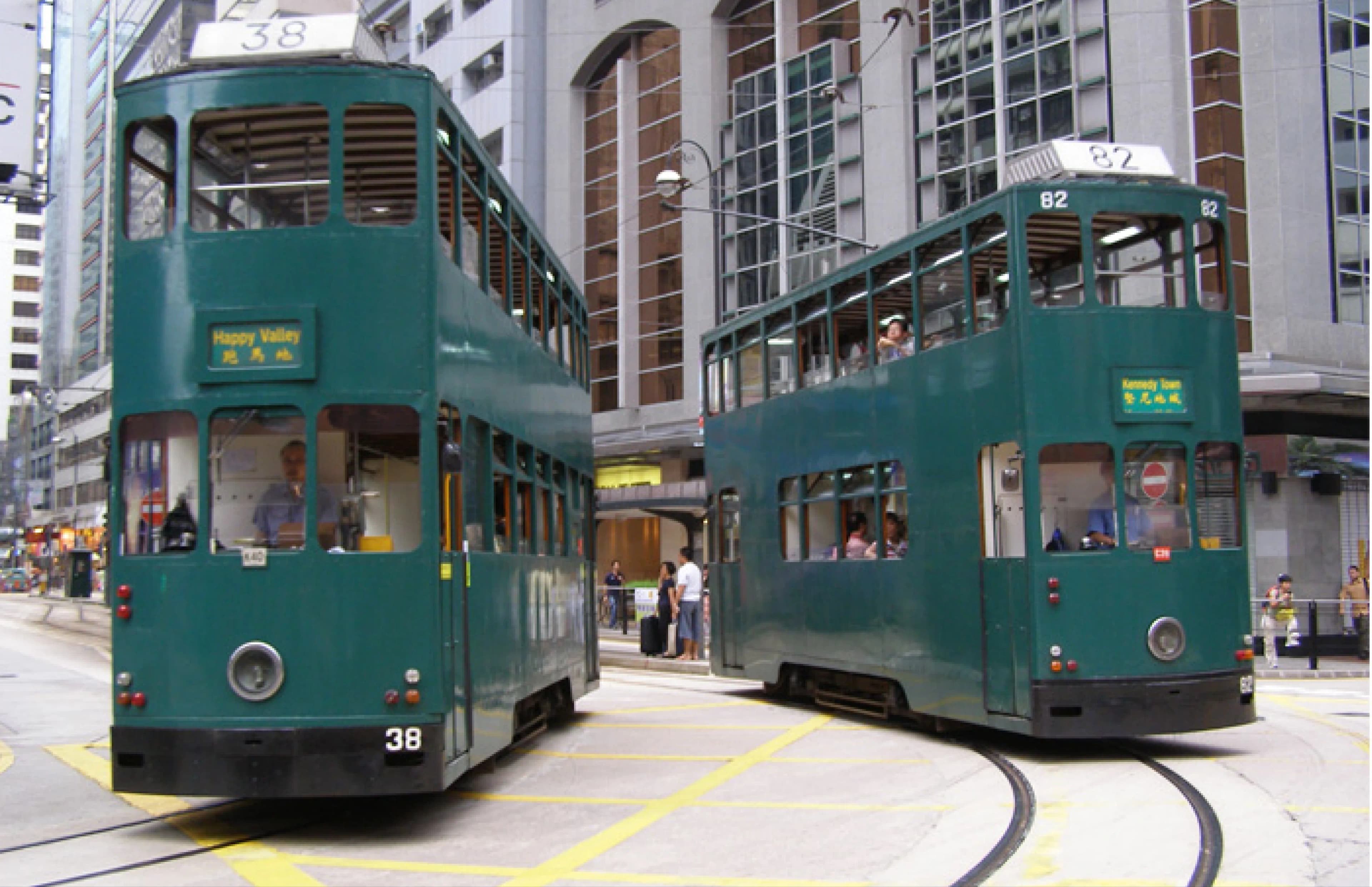
The sound of "ding ding" accompanies the growth of Hong Kong people, and the nostalgic sound of trams echoes in our memories. Trams have added a lot of character to Hong Kong. The iconic "ding ding" tram is a symbol of nostalgia in Hong Kong, inseparable from its nostalgic charm. From its appearance, sound, to the experience of riding, it is filled with a rich historical atmosphere. Capture.HK tells you about the background, changes, features, and how to ride the ding ding tram to explore famous landmarks and historical sites in Hong Kong, allowing you to gain a deeper understanding of this distinctive memory of Hong Kong.
History of Trams
The "Ding Ding Tram" in Hong Kong is an iconic mode of transportation and a cultural symbol of the city. Since its inaugural service in 1904, the "Ding Ding" has become an integral part of the lives of Hong Kong people. Over time, it has been gradually replaced by other forms of transportation, but it remains an important cultural heritage and historical witness of Hong Kong.
Changes in Trams
Single-decker Trams
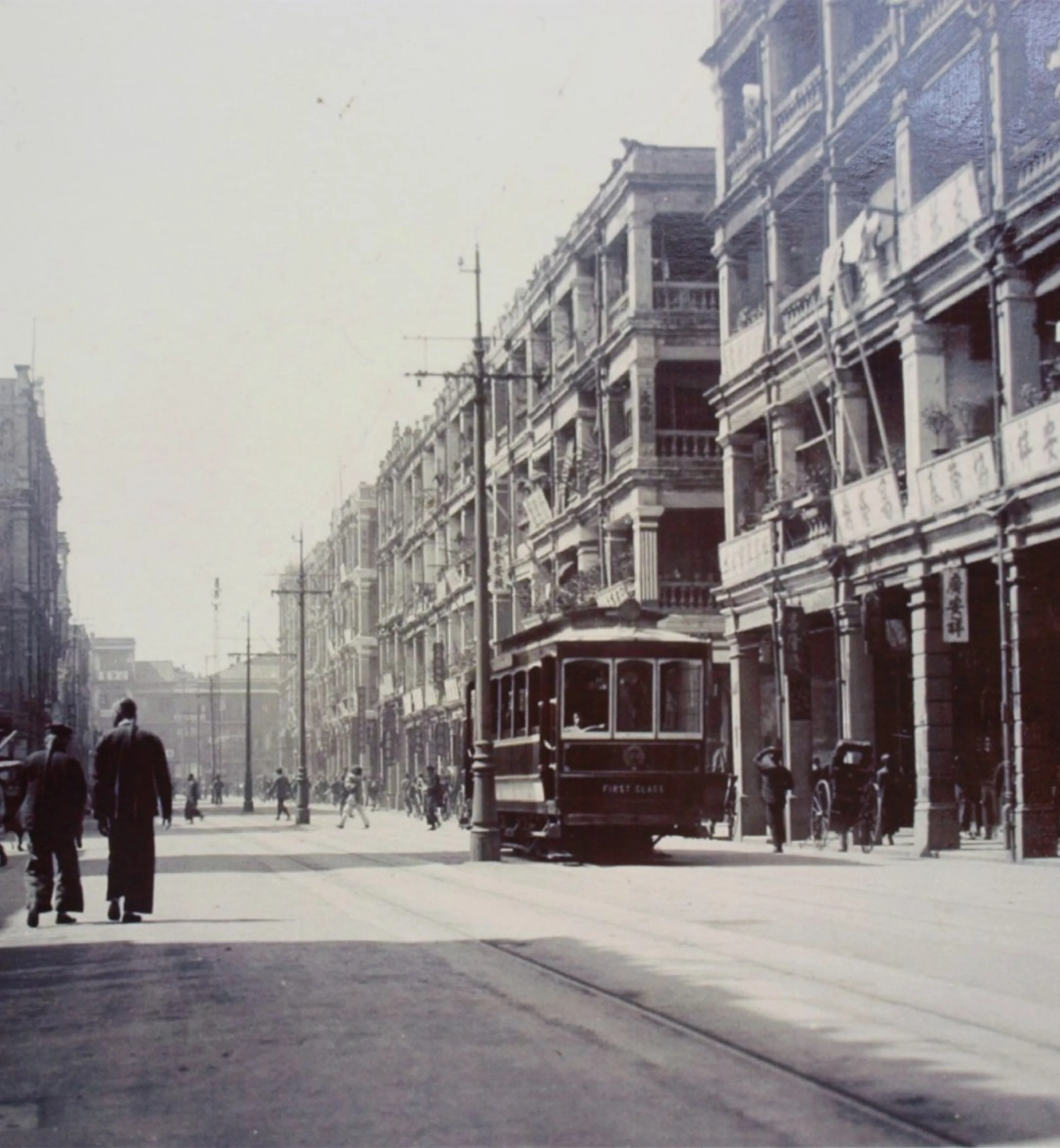
The first generation of trams, introduced in 1904, remained in service until 1930. These trams were single-decker with limited passenger capacity. As Hong Kong's urban development progressed, the trams underwent improvements and transformed into double-decker trams, accommodating a larger number of commuters and students. This photo captures a strong historical ambiance, allowing us to glimpse the transportation landscape and social development of that era.
Tram No. 120
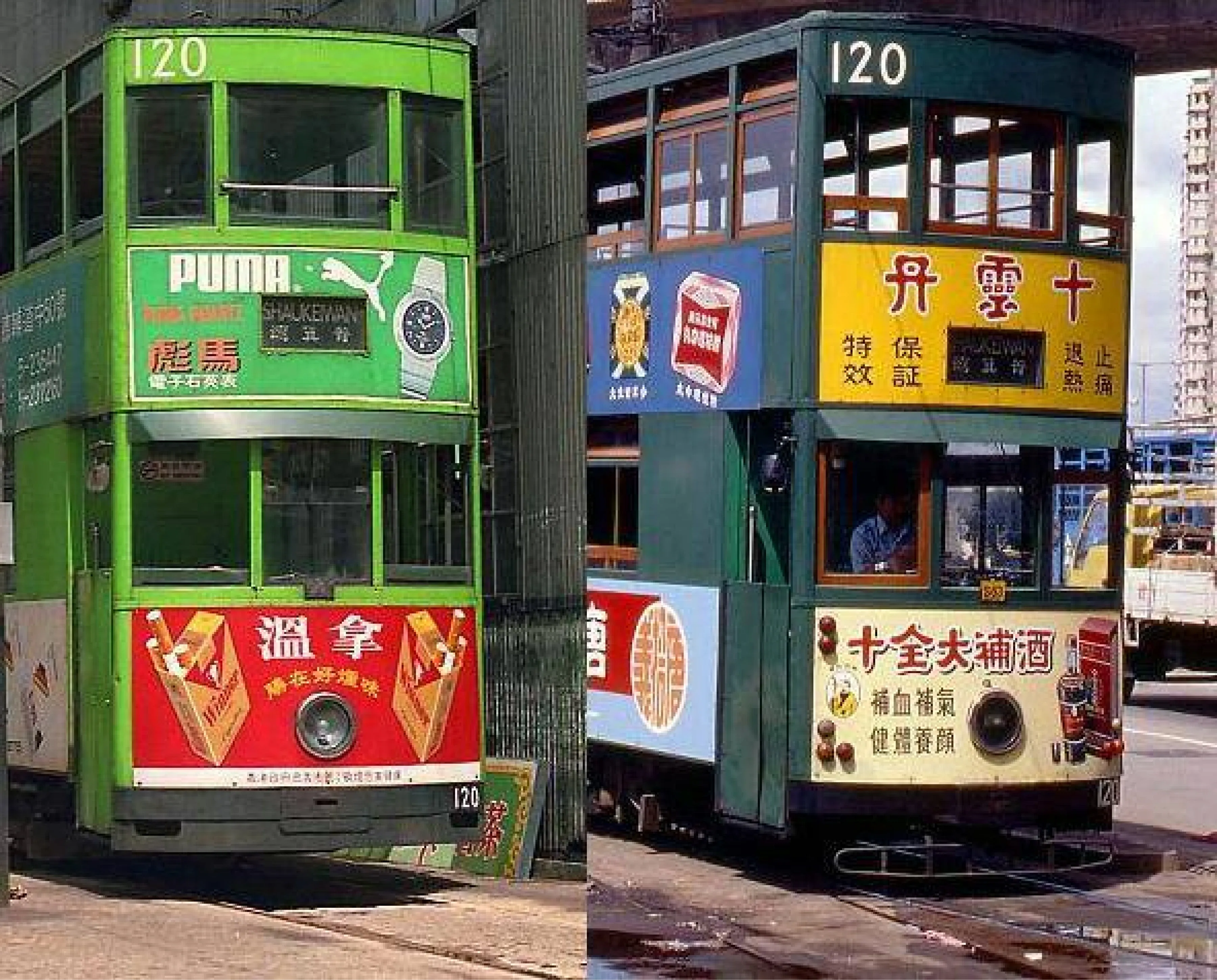
With the increasing number of passengers, the "Ding Ding Tram" expanded from the first-generation single-decker trams and has evolved into the fifth generation, consisting of 163 trams. Among them, Tram No. 120 holds the utmost significance and has a long history. The image on the left shows the old version of Tram No. 120, while the image on the right displays the new version. The new version of Tram No. 120 is not a continuation of the original vehicle but is reconstructed using components from the old tram.
Party Trams
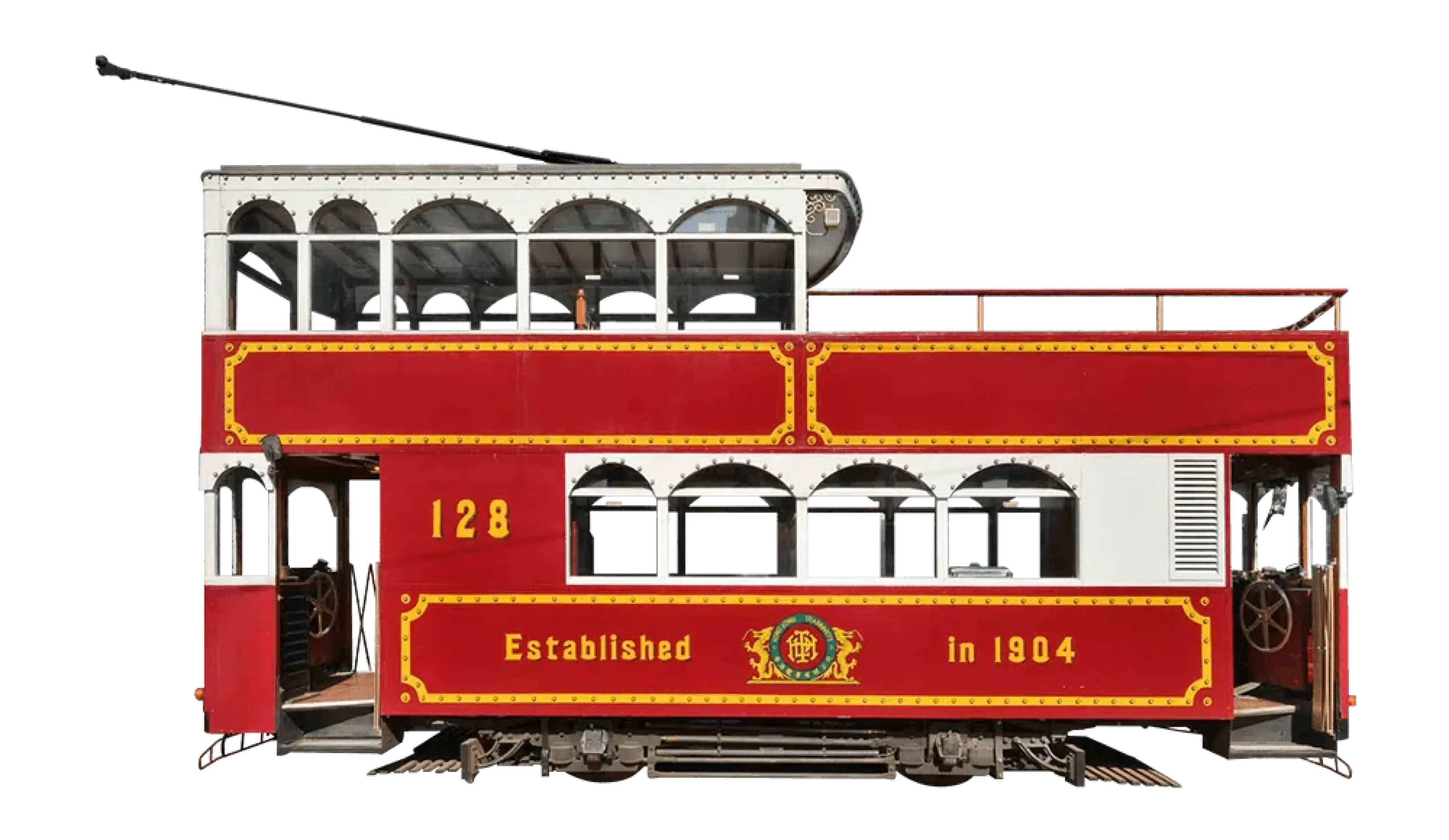
Hosting parties on trams provides people with a unique experience, allowing them to enjoy the cityscape while participating in a lively celebration. The interior of party trams is equipped with themed rooms, air conditioning, lighting, sound systems, and even restrooms. In terms of catering, Hong Kong trams collaborate with various catering services to offer group packages or à la carte dining options, and there are even beverage services available. By combining the concept of parties with tram rides, blending the old and the new, it enhances the appeal of trams and provides a fresh and exciting experience.
Characteristics of Trams
Exterior Design
The exterior design of the "Ding Ding Tram" is one of its most prominent features. It is characterised by a colour scheme dominated by green and ash gray, with white accents, and iconic curved shapes. This simple yet historically evocative design allows people to instantly recognise its presence.
Scenic Enjoyment
Riding the "Ding Ding Tram" offers people the opportunity to fully appreciate the scenery of Hong Kong, especially when travelling along the coastline of Hong Kong Island. It provides a unique perspective to admire the sea views and cityscapes.
Sound
The "ding ding" sound of the tram is also a distinctive feature, serving as an auditory symbol of Hong Kong. This unique sound has become synonymous with the city's culture and transportation. People have become accustomed to this sound, and sometimes it even becomes part of the city's ambient soundscape, creating a unique and pleasant atmosphere.
Boarding and Alighting Direction Different from Buses
In Hong Kong trams, passengers board at the front and alight at the rear, unlike the boarding and alighting procedure on buses. Additionally, passengers are required to pay at the front when alighting, rather than paying when disembarking. While this design may be confusing for some, it has become a familiar and unique experience for passengers familiar with the "Ding Ding Tram."
Uniform Fare
The fare for Hong Kong trams is relatively low compared to other modes of transportation. The tram fare is standardised, meaning the fare remains the same regardless of the distance travelled, and it applies to both adults and children. This fare system makes it easier for people to understand and use trams, enhancing their convenience and popularity.

Exploring Famous Landmarks and Historical Sites in Hong Kong by Riding the "Ding Ding Tram"
Hong Kong Museum of Medical Sciences
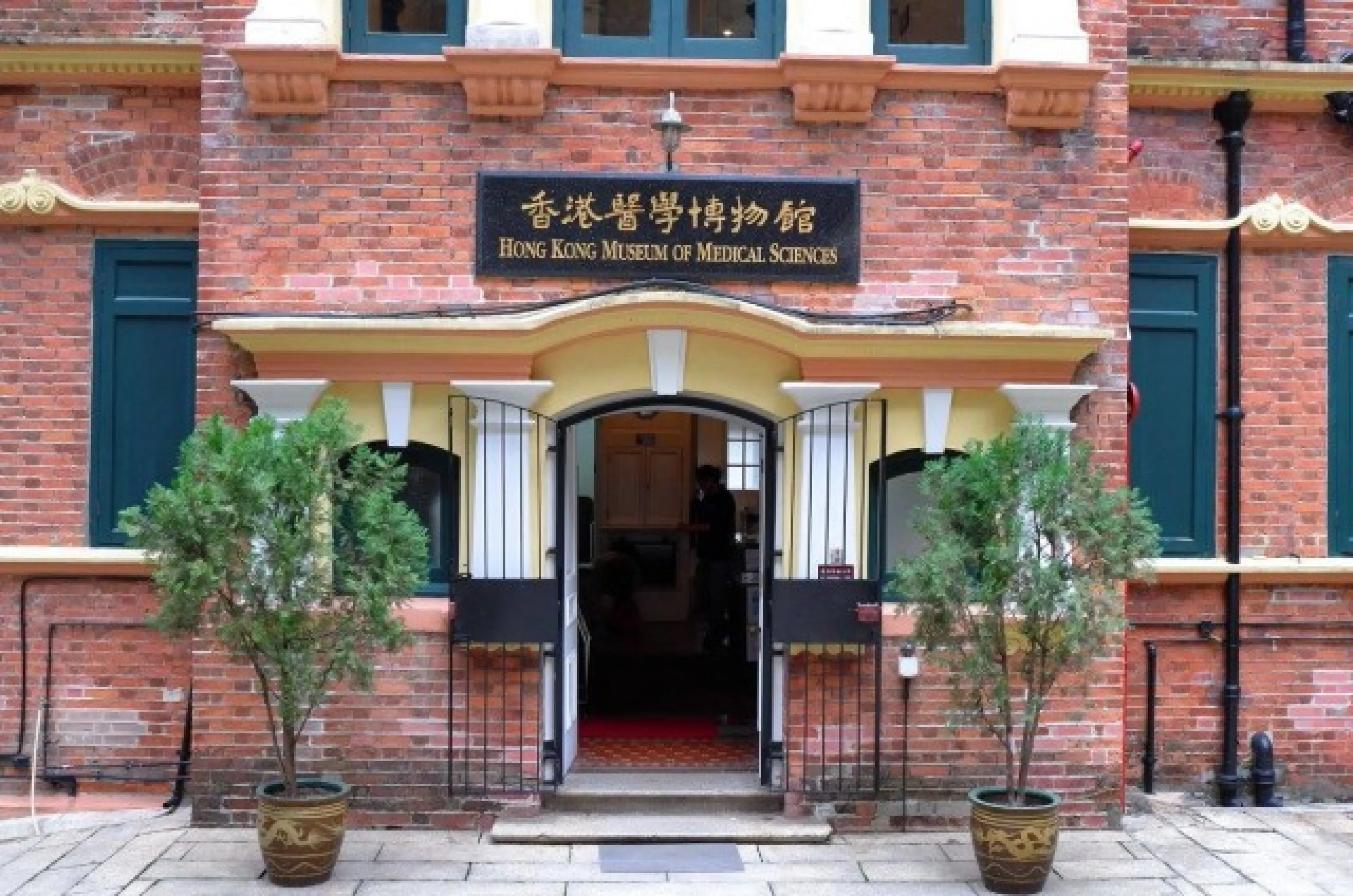
In the late 19th century, Hong Kong experienced a devastating plague outbreak, with the Mid-levels area being one of the hardest-hit regions. To address the epidemic, authorities established medical buildings and facilities nearby. One of these structures is the Hong Kong Museum of Medical Sciences, built in 1906. Today, it serves as a museum open to the public and is designated as a declared monument. After visiting the museum, you can take a leisurely stroll along the Pok Fu Lam Reservoir Road and explore the history of healthcare and the living conditions of Hong Kong people over a century ago.
Blue House in Wan Chai
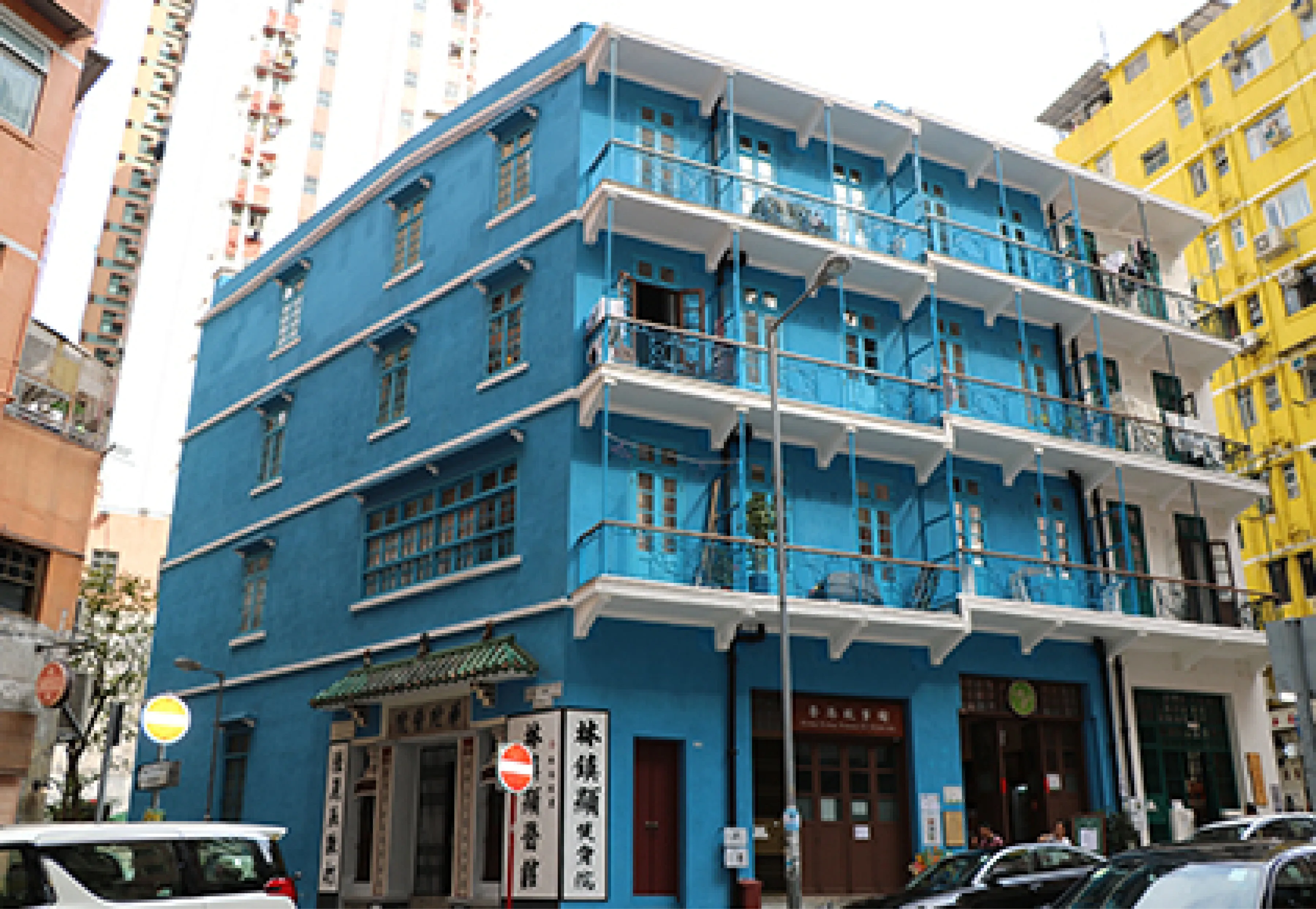
Built in 1920, the Blue House is a distinctive example of Lingnan-style architecture and one of the few tenement buildings in Hong Kong with balconies. Over the years, it has served various purposes, starting as a clinic named Hua Tuo Hospital, then transforming into a school, and later becoming a martial arts studio. Today, it still houses residents and stands as a historically significant building. The Blue House is recognised as a Grade I historic building in Hong Kong and is considered a precious cultural heritage site.
Mount Parker Road in Quarry Bay
The Mount Parker Road Nature Trail is one of the most accessible hiking trails in the Hong Kong Island district. Starting from King's Road in Quarry Bay, you can begin your journey right after getting off the tram. Following Mount Parker Road, you will pass by the quaint "Red House." This house was once the residence of the former managers and chief engineers of the Taikoo Sugar Refinery, and its unique red brick structure stands out. The entire hike takes just over two hours and offers natural beauty and historical and cultural richness, making it a highly rewarding hiking trail to explore.
You can come and experience the charm of the "Ding Ding Tram," marvel at the cityscape along Hong Kong's coastline, immerse yourself in a nostalgic atmosphere, and explore famous landmarks and historical sites. Don't forget to bring your camera to capture these unforgettable memories. If your old tram photos have faded over time, Capture HK's photograph digitisation service uses patented technology to restore them to their original colours, bringing your memories back to life.
👉🏻 Learn more about Capture's photograph digitisation services.
References:
- Hong Kong is not a Cultural Desert: Five Pictures to Show You the Hundred-Year History of "Ding Ding Tram" - The News Lens
- Exploring Along the Tram Line - Hong Kong Tram
- Tram Party: 【Panoramic Tour 2023】 Mobile Party Room to Experience Nostalgic "Ding Ding" and Feel the Essence of Hong Kong - Kama Delivery
Loading...