Dementia / Alzheimer's Disease: Early Signs, Symptoms, Prevention, and How to Book a Free Assessment
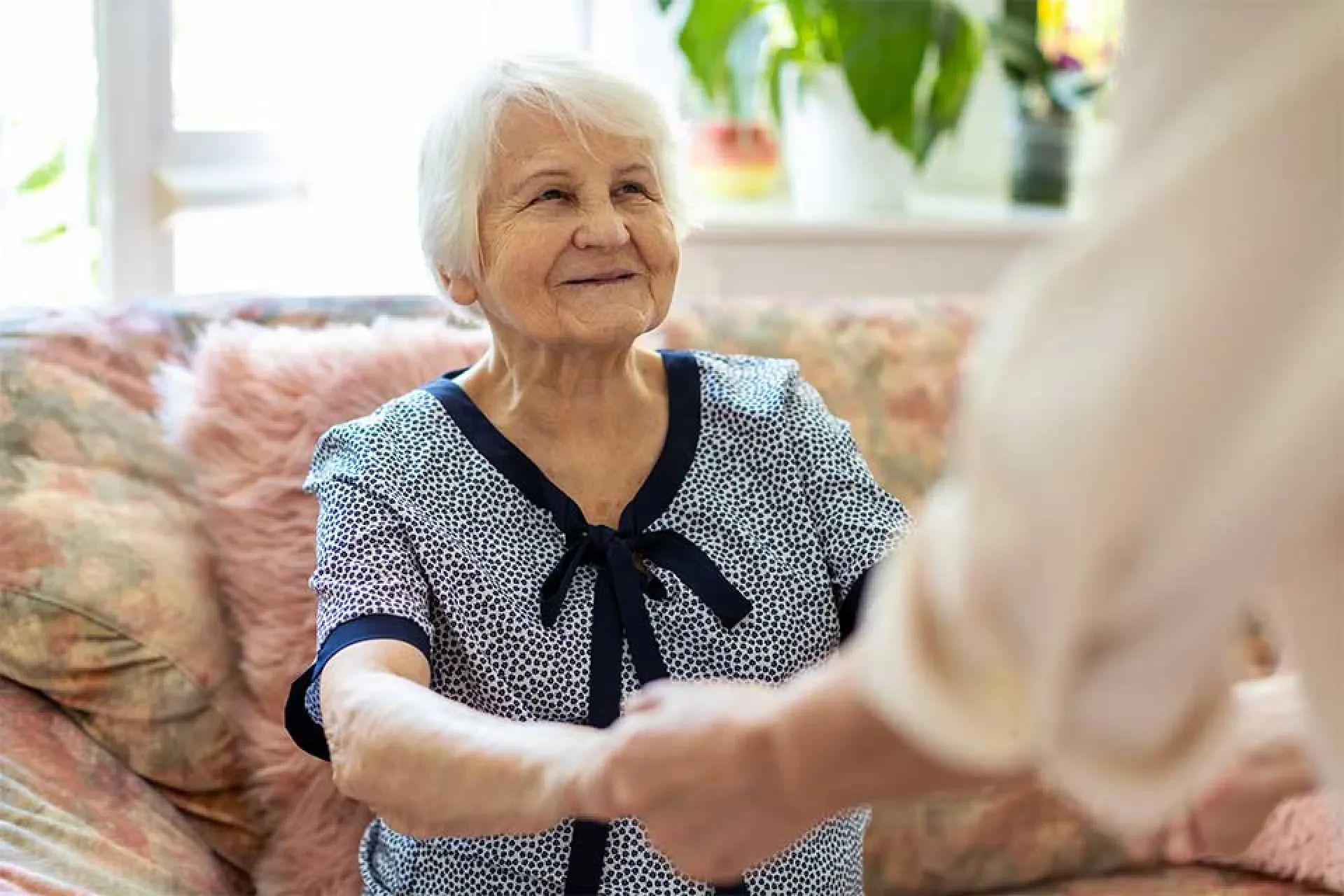
Dementia, also known as cognitive impairment, is a chronic brain disorder caused by the degeneration of brain cells. It is common among the elderly, especially those aged 65 and above. Dementia not only affects memory but also impairs judgment, language ability, and daily self-care, posing major challenges for patients and their families.
The Relationship Between Dementia and Alzheimer’s Disease
Alzheimer’s disease is the most common form of dementia, accounting for the majority of dementia cases. Symptoms develop gradually and are often overlooked in the early stages. As the condition worsens, patients may experience memory loss, disorientation, language difficulties, and changes in behaviour and emotions.
Detailed Symptoms of Dementia
Typical symptoms of dementia include:
- Memory decline: Forgetting familiar information like family phone numbers or daily appointments; missing stops when using public transport.
- Disorientation: Difficulty recognizing locations or finding the way home.
- Language difficulties: Trouble expressing thoughts and understanding abstract terms.
- Decline in judgment: Poor decision-making and misplacing items.
- Behavioural and emotional changes: Mood swings, irritability, anxiety, and loss of initiative.
- Reduced ability in daily self-care: Needing reminders for hygiene and meals; in severe cases, incontinence.
- Unsteady movement and increased risk of falls: Mobility declines as the condition progresses.
Genetic Factors in Dementia
The genetic risk of dementia varies depending on its cause. Alzheimer’s disease is a neurodegenerative condition with about one-third of patients having a family history, making genetic factors more prominent. In contrast, vascular dementia is more related to chronic conditions such as high blood pressure, diabetes, and high cholesterol, with less hereditary influence. While most patients are over 65, some cases of early-onset dementia can begin as early as age 30 to 50.
Early Warning Signs of Dementia
Recognising early signs helps enable timely intervention. Common warning signs include:
- Noticeable recent memory decline.
- Confusion about time and location.
- Decreased ability to express and understand language.
- Behavioural and emotional changes such as anxiety and irritability.
- Decline in daily functioning and increased dependence.
Preventing Dementia

While dementia is currently incurable, lifestyle adjustments can help slow its progression:
- Keep the brain active: Engage in puzzles, reading, or learning new skills to stimulate brain activity.
- Balanced diet: Follow a Mediterranean diet rich in vegetables, fruits, fish, and nuts while avoiding high-fat and high-salt foods to protect brain cells.
- Regular exercise: Activities like walking, swimming, or yoga support cardiovascular health and reduce dementia risk.
- Stay socially active: Maintaining close social ties and participating in leisure activities help preserve cognitive function.
- Manage chronic conditions: Actively controlling blood pressure, diabetes, and cholesterol reduces the risk of vascular dementia.
- Avoid harmful habits: Quit smoking, limit alcohol intake, prevent head injuries, and manage stress effectively.
Free Dementia Assessment Services
To promote early screening and prevention, The Chinese University of Hong Kong, in partnership with the Charles K. Kao Foundation, has launched the “Brain Health” Program. It offers free dementia screening for eligible seniors aged 60 to 80 who have not been diagnosed with dementia. The program includes an initial questionnaire, cognitive tests, and retinal scans. Those identified as high-risk will receive medical referrals and lifestyle counselling to help delay progression.
Dementia, especially Alzheimer’s disease, significantly impacts the quality of life in older adults. Understanding its symptoms, genetic risks, and early warning signs, along with adopting preventive measures and participating in early screening, can help slow its development and improve the lives of patients and their families. Free dementia assessments are an important community resource worth utilising.
Preserve Your Precious Memories with Capture’s Photo Album Digitisation Service
Do you have a box full of old photographs, worried that they may fade or get damaged over time? Now, you can preserve these treasured memories by digitising them with Capture.HK’s professional photo album digitisation service. Our service allows you to convert your old photos into high-quality digital files, ensuring they are safely stored and easily shareable.
At Capture.HK, we use high-resolution scanning technology to restore your photos with sharp details and vibrant colours, maintaining their original quality. We also offer various file formats, making it easy for you to access and share them across different devices. Most importantly, we handle your photos with utmost care, ensuring they are safely processed and preserved.
The Frame Digital Photo Frame
Want to relive your digital memories every day? Capture’s The Frame digital photo frame is the perfect solution! Designed to showcase your most cherished moments, The Frame allows you to display a lifetime of memories in one elegant frame.
With its sleek design and high-resolution display, The Frame offers an effortless way to organise and enjoy your favourite photos. Simply digitise your photo collection, upload them to The Frame, and enjoy your memories anytime, anywhere.
Whether placed in the living room, bedroom, or office, The Frame adds a touch of warmth and personality to your space. More than just a decorative item, it’s a meaningful gift that brings your treasured moments to life.
Get The Frame today and enjoy your memories every day!
References
- Dementia Mobile Clinic – No appointment needed, free preliminary assessment! Includes application method + April service schedule – stheadline
- Health Assessment|Free Dementia Screening from CUHK and Charles K. Kao Foundation under “BrainCare” Programme – 656carer
- Is Dementia Hereditary? Does It Only Affect the Elderly? – drshih
Loading...