【Reminiscence Therapy】Is it effective? How to treat dementia?
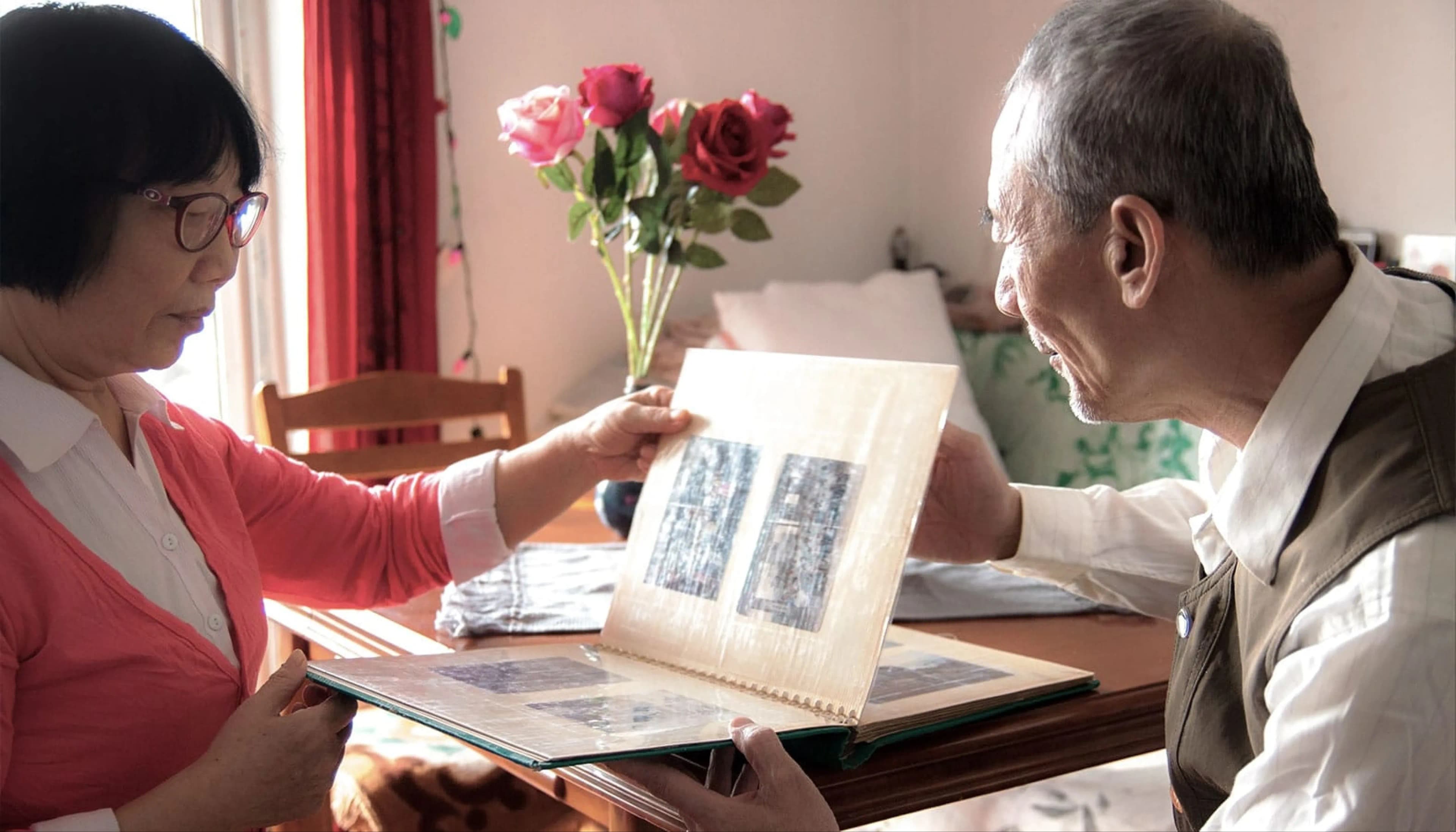
Memory decline is a common issue among older adults, but when it starts to affect daily life, it may be a sign of dementia. Dementia is prevalent among the elderly, but how can it be treated? Is Reminiscence Therapy, which we often hear about, effective? Capture will introduce the benefits of Reminiscence Therapy and provide guidance on its application, including steps, tools, and themes, to help families assist their elderly loved ones in slowing down cognitive decline.
What is dementia?
Dementia, formerly known as "senile dementia," was renamed as "cognitive impairment" in 2012. It is a brain disorder characterised by the accelerated death of brain cells, leading to a decline in brain function. It typically begins with memory problems and gradually affects other brain functions, including difficulties in communication, emotional or personality changes, and even the loss of self-care ability.
Dementia primarily affects individuals aged 65 and older. According to the 2017 Mental Health Review Report, there are approximately 100,000 people in Hong Kong living with dementia, which accounts for around 10% of the elderly population. About one in every person aged 65 or above is estimated to have dementia, and the prevalence increases to approximately one in every five individuals among those aged 80 or above.
Treatment methods for dementia in the elderly
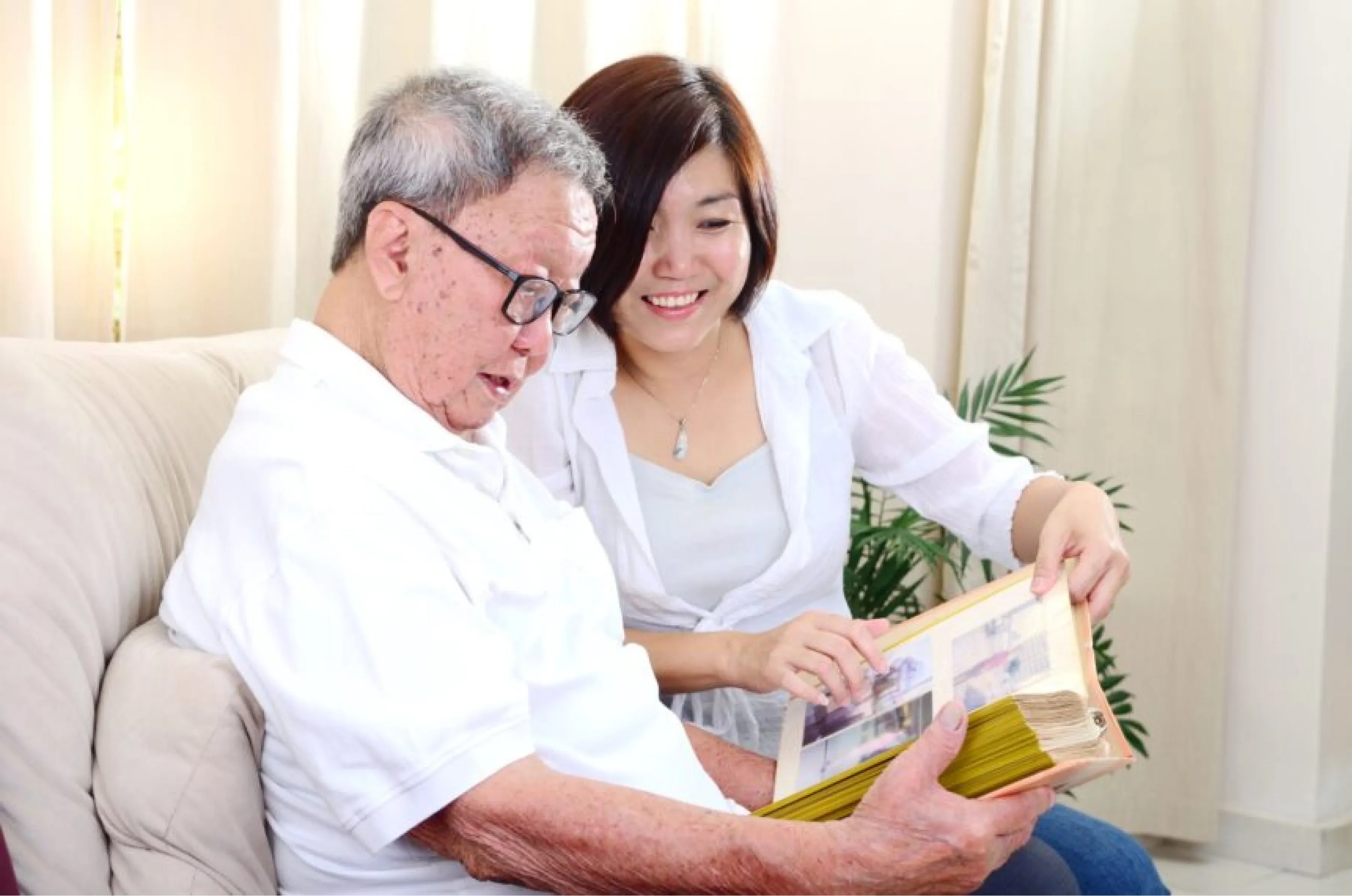
Currently, there is no known cure for dementia. However, there are medication and non-medication treatments available to alleviate memory decline and manage psychological and behavioural issues associated with dementia.
1. Medication treatment: Commonly used medications include:
- Holinesterase inhibitors: These medications help improve memory and cognitive function in patients with mild to moderate dementia.
- Memantine: This medication is specifically targeted for patients in the middle to later stages of dementia. It helps protect brain cells and slows down the progression of the disease.
In addition, doctors may prescribe other medications based on the individual's condition, including aspirin, antidepressants, antipsychotics, or tranquillizers, to address symptoms such as vascular dementia, agitation, or depression.
2. Non-medication treatment: In addition to medication, appropriate cognitive training and therapies can help delay the progression of brain degeneration. Some of the treatments include:
- Reminiscence Therapy: This therapy provides patients with a room that recreates the ambience of their younger years, encouraging them to recall and share their past experiences. This familiar environment can help stabilise their emotions while training their memory.
- Multisensory Therapy: This therapy utilises moderate sensory stimulation, such as visual, auditory, tactile, olfactory, and gustatory stimuli, to help patients reduce excessive lethargy or agitation.
What is Reminiscence Therapy?
Reminiscence Therapy, also known as "nostalgia therapy," is a method that emerged in the 1980s in the United Kingdom. This therapy involves encouraging individuals with dementia to recall past memories in a positive manner. Through various sensory stimuli such as scenes, smells, and sounds, it aims to evoke their memories, helping patients reflect on their lives, organise memories and life experiences, and regain a sense of meaning and confidence in life.
Benefits of Reminiscence Therapy
For individuals with dementia, Reminiscence Therapy allows them to have a positive outlook on their past experiences and helps them rebuild a sense of self-identity and self-esteem, reducing feelings of loss and melancholy. Additionally, it serves as a bridge for communication between them and the people around them, enabling them to express suppressed emotions from the past appropriately and increase emotional connections with those around them.
For caregivers, Reminiscence Therapy can deepen their understanding and appreciation of individuals with dementia by creating familiar topics, thereby generating more pleasant memories.
Forms of Reminiscence Therapy
Reminiscence Therapy can be conducted in various forms. In addition to one-on-one conversations and group sharing, there are other ways to evoke the memories of patients. For example, arranging gatherings with their descendants or organising nostalgic exhibitions, theatrical performances, concerts, and other activities can create a comfortable and warm atmosphere.
Treating Individuals with Dementia at Different Stages
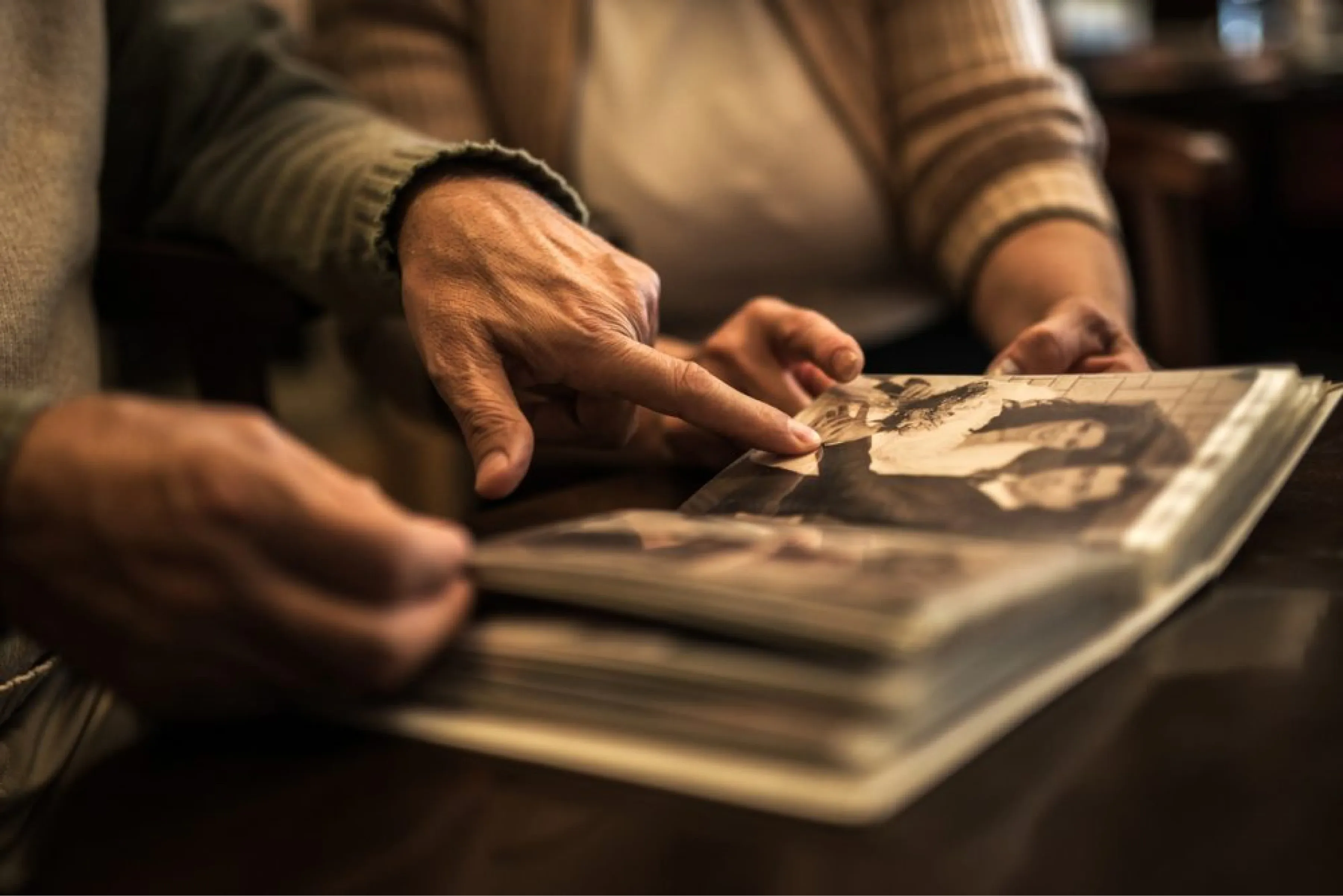
For individuals with mild dementia, simple question-and-answer interactions can be effective. However, for those in the middle to later stages, who may experience drowsiness or emotional fluctuations, incorporating more sensory stimulation elements into therapy can be beneficial.
| How to treat? | |
| Mild-stage patients |
|
| Moderate to advanced-stage patients |
|
How to conduct reminiscence therapy at home?
It's simple to conduct reminiscence therapy at home; you just need to prepare some nostalgic items in advance, such as old photographs or classic music. You can engage with the patient in a guided manner, recalling past memories from distant to recent. Here are some simple steps to follow:
- Start by reviewing previous discussions or topics
- Introduce the theme for the day, such as childhood toys
- Use photographs or actual objects during the process, allowing the patient to touch related items or view relevant pictures
- Discuss the content together, including the name of the toy, who they played with, when and where they played, and how they played
- Summarise the content and express appreciation for their positive sharing
Remembrance Therapy Topics
So, what topics should be discussed with patients? You can choose some topics related to the patient's life experience, such as childhood, work, love and marriage, childbirth, etc., or some topics related to daily life, such as festivals, music, sports, etc., to increase their interest and participation. Here are some topics for reference:
| Topics | Examples |
| Childhood | Living environment, family, friends, hobbies |
| Education | School life, subjects studied, teachers, classmates |
| Work | Work experiences, company environment, colleagues |
| Marriage | How they met, dating experiences, proposal stories, wedding memories |
| Parenthood | Birth of children, naming them, and funny incidents related to raising kids |
| Retirement life | Friends, favourite places, and hobbies during retirement |
| Daily life | Clothing style, food preferences, and favourite places to visit |
| Festivals | Lunar New Year, Dragon Boat Festival, Mid-Autumn Festival |
| Entertainment | Celebrities, songs, movies, and TV shows |
| Interests | Favourite sports, activities, or hobbies |
Tools for reminiscence therapy
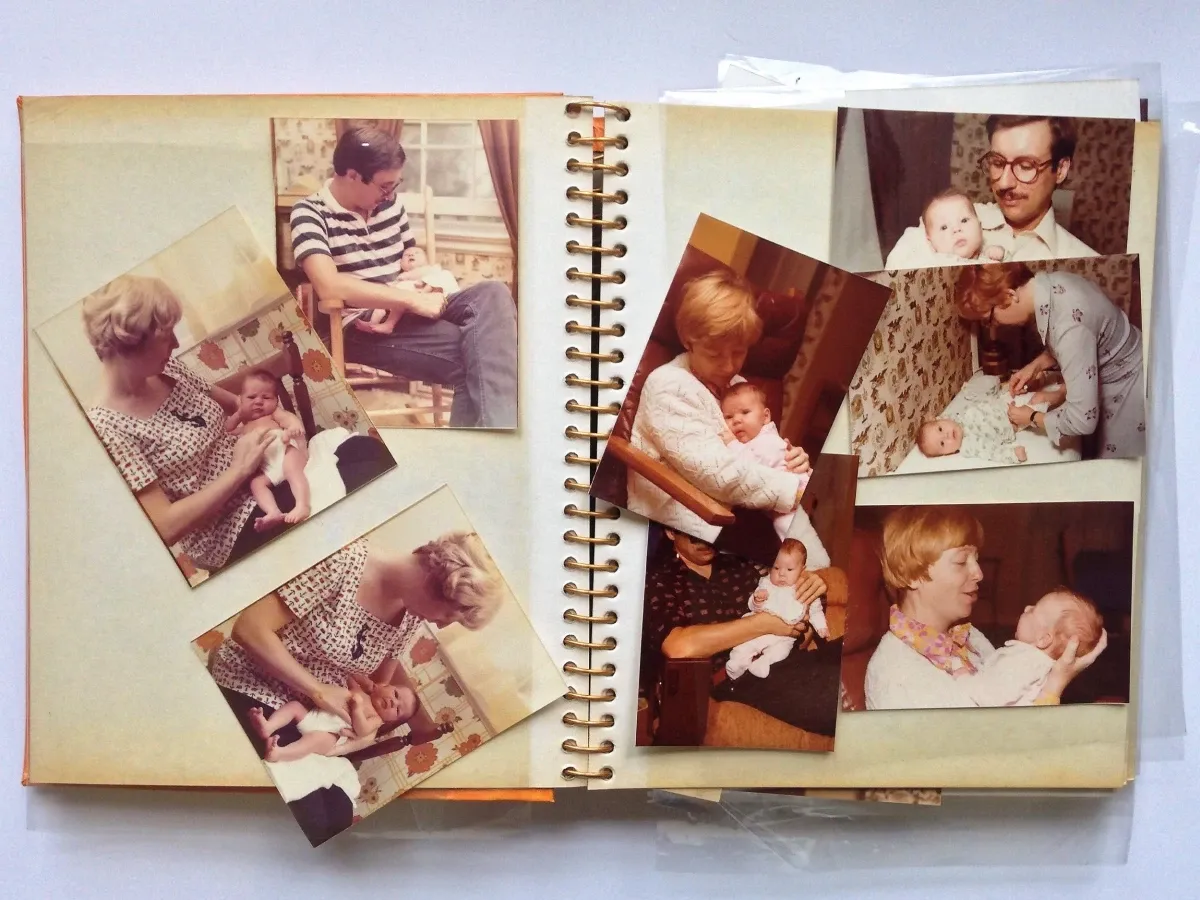
Before conducting reminiscence therapy, you can prepare some "stimuli" to help trigger the patient's memories. These can include old photographs, nostalgic music, vintage clothing, old furniture, or past everyday items.
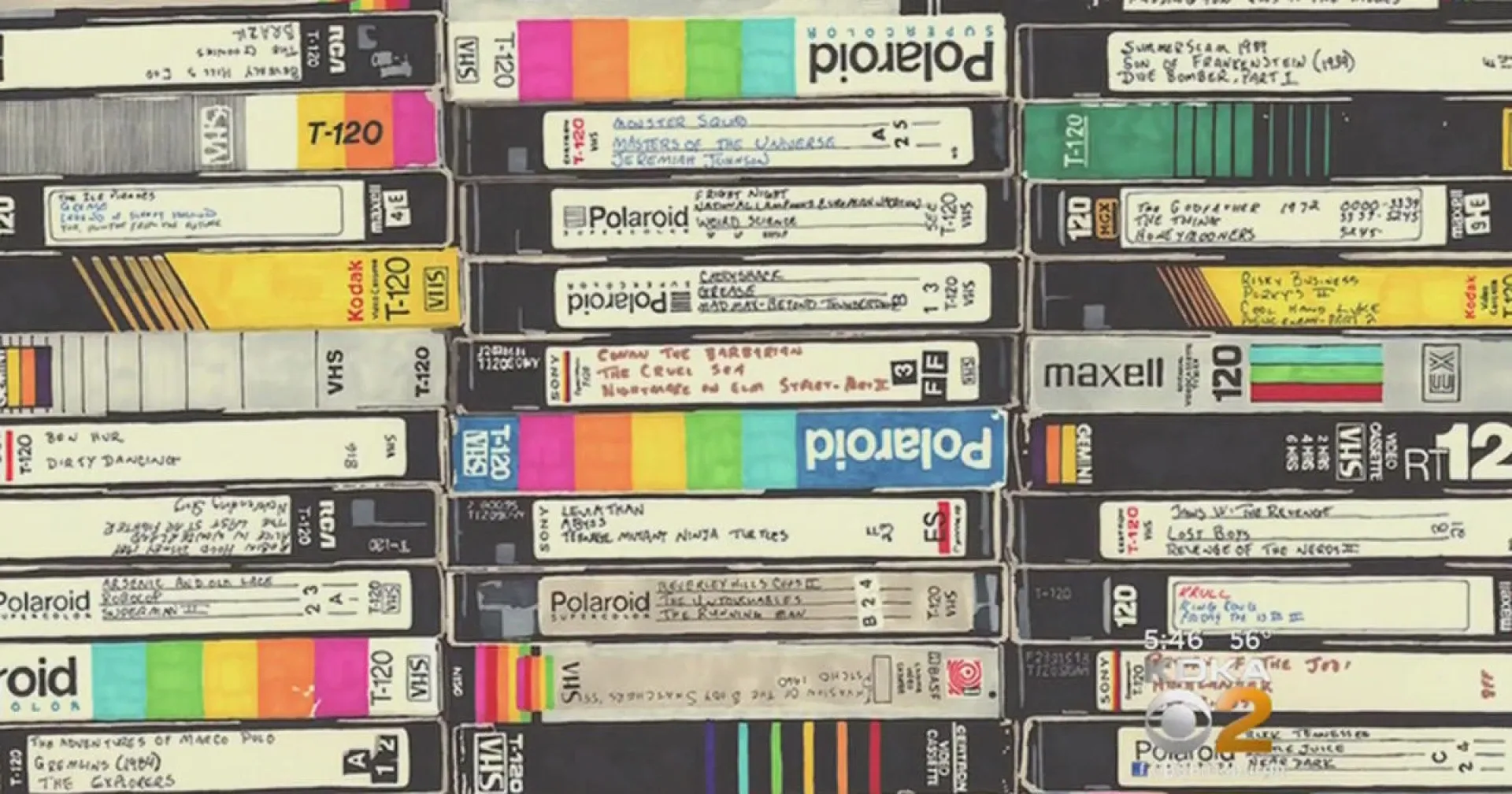
Old photographs and videotapes are prone to degradation and yellowing over time. You may consider using digitisation services to permanently preserve the memories and facilitate reminiscence therapy. Capture HK offers digitalisation services using specialised techniques to efficiently digitise each photograph and videotape. The digitisation process is non-intrusive, ensuring that photographs are never removed from your album or touched. The digitised photographs and videos are stored in Google Photos, allowing for easy organisation and sharing with family members for reminiscing together.
👉Learn more about Capture’s digitisation services
Precautions for memorial treatment
When performing memorial therapy, you should pay attention to the elderly's emotions and pay attention to the following matters to achieve the ideal therapeutic effect.
- Encourage sharing with open-ended questions and avoid confusing them with constant questions
- Encourage them to describe details in a guided manner
- Use physical objects or photographs to help them recall and increase their interest
- Maintain a positive attitude, respect and patience
References:
- Dementia - Hong Kong Adventist Hospital
- Elderly dementia (Dementia) - OT&P Healthcare
- Dementia - Hospital Authority
- Reminiscence Therapy - Jockey Club
- 【Elderly Cognitive Training】Home-based Reminiscence Therapy: Improving Memory, Emotions, and Delaying Cognitive Impairment - EVERCARE