[Elderly Homes] How Much Do They Cost? How to Compare? Understand Subsidies and the Bought-Place Scheme
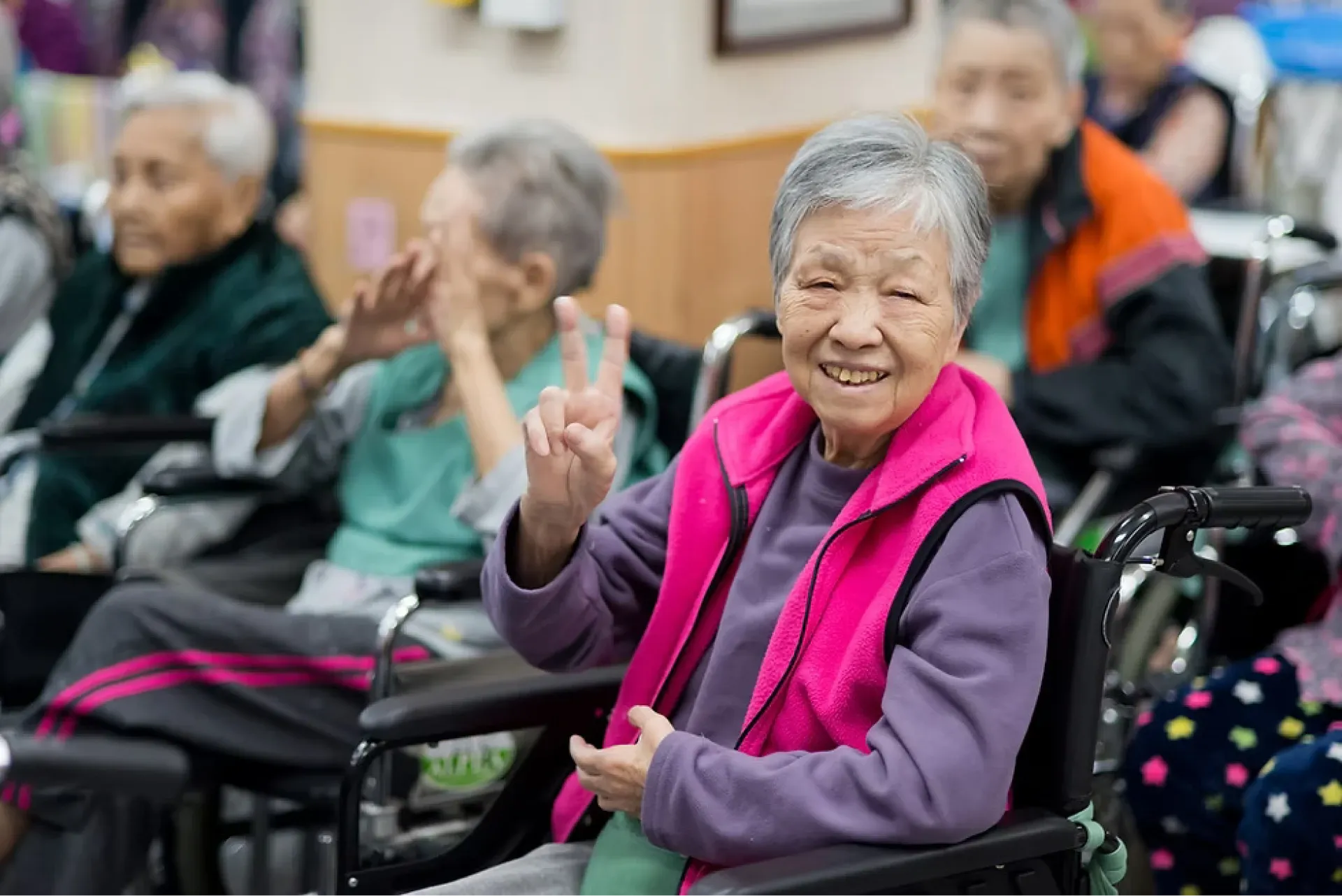
Elderly homes (also known as care homes) are facilities that provide accommodation and care services for the elderly, especially those with mobility issues or who need assistance with daily activities. As Hong Kong’s population ages, choosing a suitable elderly home has become an important concern for many families. This article covers key information on licensing, fees, comparisons, government subsidies, bought-place schemes, and short-term stays to help the elderly and their families make informed decisions.
Licensing Regulations for Elderly Homes
In Hong Kong, elderly homes must apply for a valid license under the Residential Care Homes (Elderly Persons) Ordinance (Cap. 459). The Licensing Office of Residential Care Homes for the Elderly is responsible for issuing and monitoring these licenses to ensure service quality meets legal standards—covering physical care, emotional support, and social activities. Applications for new and renewed licenses require submission of forms, and the office conducts regular inspections to protect residents' rights. A valid license is a key indicator when selecting a home, helping to avoid the safety and service risks of unlicensed facilities.
How Much Does It Cost to Stay in an Elderly Home? 2025 Fee Reference
Fees vary widely based on the type of home, service quality, room category, and location. According to the Consumer Council, monthly fees for private elderly homes range from around HK$6,000 to over HK$82,000. Single rooms typically cost more than shared ones. For instance, mid- to high-end homes may charge HK$11,000 to HK$15,000 per month for a single room, while shared rooms are more affordable. A deposit of one month’s fee is often required in advance; some homes may charge more. Choosing the right home should be based on both the elder's needs and the family’s financial situation.
How to Compare and Choose an Elderly Home?
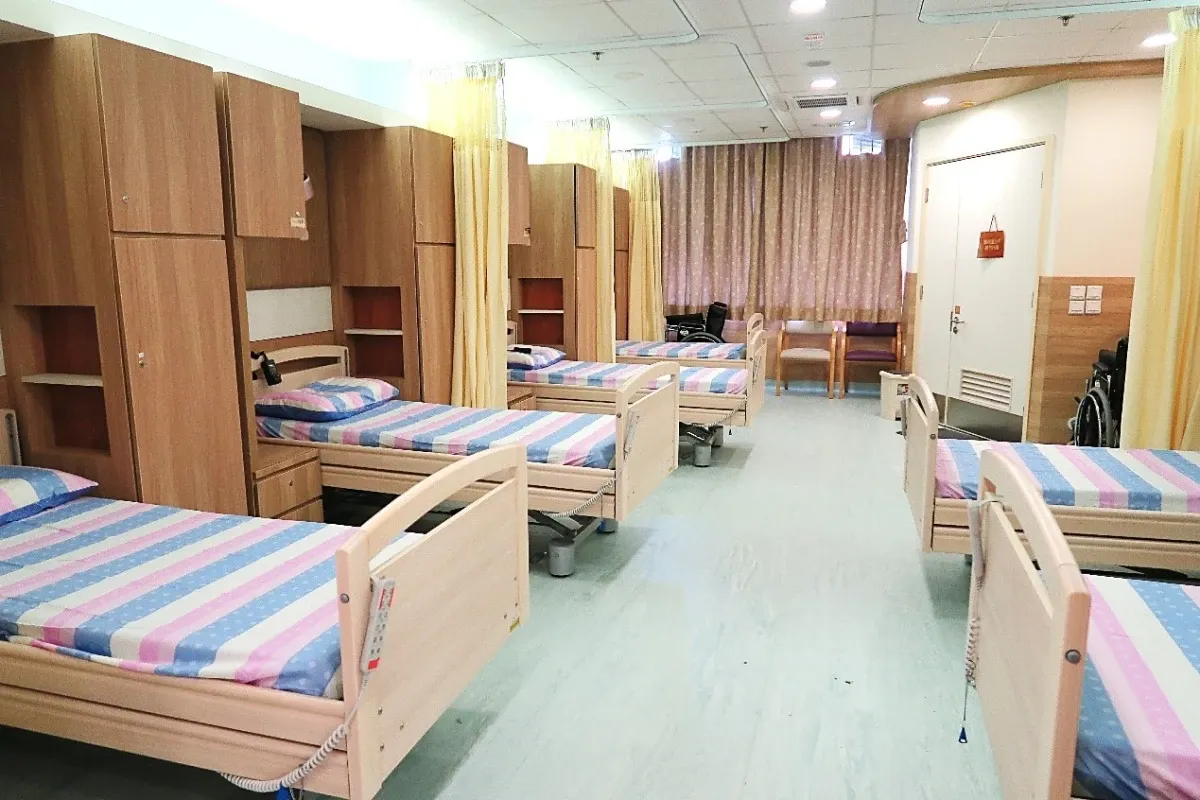
Beyond pricing, factors like facilities, range of services, caregiver-to-resident ratio, and reputation should be considered. Over 200 private elderly homes in Hong Kong participate in the Enhanced Bought Place Scheme, classified into Class A1 and A2 based on space and staffing standards. These homes tend to have more transparent pricing and regulated services. Government websites and social service organisations offer lists and ratings to facilitate comparison. Visiting in person to observe the environment and staff interactions is highly recommended to ensure comfort and safety.
How to Apply for Elderly Home Subsidies?
To ease the financial burden, the Hong Kong government provides subsidies for elderly home stays. Applicants must meet residency and asset requirements (e.g., assets not exceeding HK$54,000, with no property ownership). The subsidy amount depends on whether the applicant receives Comprehensive Social Security Assistance (CSSA) or Disability Allowance, with a maximum monthly subsidy of around HK$10,150, plus allowances for special diets and diapers. Eligible individuals can apply through the Social Welfare Department and, if approved, stay at government-subsidised or bought-place homes at a significantly reduced cost.
What is the Bought Place Scheme?
The Enhanced Bought Place Scheme (EBPS) is a government initiative that subsidises private elderly homes, allowing eligible elders to stay at a lower cost. Applicants must be aged 65 or above (or 60–64 with special needs), assessed as suitable for care homes through the Standardised Care Need Assessment Mechanism, and meet certain health and social criteria. While fees under the scheme are higher than in fully subsidised homes, they offer better environments and more choices. The scheme also works with community vouchers and home care services to support elderly living comprehensively.
Short-Term Residential Services in Elderly Homes
Some subsidised care and nursing homes offer short-term or emergency accommodation, ideal for cases where caregivers are temporarily unavailable, after hospital discharge, or in sudden situations. Applications require referral by a social worker and eligibility checks. Short-term stays provide immediate care and relieve family stress. Some designated private homes also provide emergency respite services outside office hours for urgent needs.
To conclude, choosing the right elderly home involves evaluating licensing, cost, and service quality. Government subsidies and the bought-place scheme can reduce the financial burden, while short-term stays offer flexibility in emergencies. Families are advised to compare options, visit homes in person, and consult with social welfare professionals to ensure elderly members receive safe, comfortable, and dignified care in their later years.
Preserve Your Precious Memories with Capture’s Photo Album Digitisation Service
Do you have a box full of old photographs, worried that they may fade or get damaged over time? Now, you can preserve these treasured memories by digitising them with Capture.HK’s professional photo album digitisation service. Our service allows you to convert your old photos into high-quality digital files, ensuring they are safely stored and easily shareable.
At Capture.HK, we use high-resolution scanning technology to restore your photos with sharp details and vibrant colours, maintaining their original quality. We also offer various file formats, making it easy for you to access and share them across different devices. Most importantly, we handle your photos with utmost care, ensuring they are safely processed and preserved.
The Frame Digital Photo Frame
Want to relive your digital memories every day? Capture’s The Frame digital photo frame is the perfect solution! Designed to showcase your most cherished moments, The Frame allows you to display a lifetime of memories in one elegant frame.
With its sleek design and high-resolution display, The Frame offers an effortless way to organise and enjoy your favourite photos. Simply digitise your photo collection, upload them to The Frame, and enjoy your memories anytime, anywhere.
Whether placed in the living room, bedroom, or office, The Frame adds a touch of warmth and personality to your space. More than just a decorative item, it’s a meaningful gift that brings your treasured moments to life.
Get The Frame today and enjoy your memories every day!
References:
- Subsidies & Allowances - Home of the Elderly
- [Consumer Council’s Private Elderly Home Survey] Comparison of 46 Homes: Monthly Fees Vary Over 12 Times; Some Homes Have One Staff Caring for 30 Residents (With Pricing Info) - urbanlifehk
- List of Elderly Homes in Tai Po - elderlydb
- Licensing Office of Residential Care Homes for the Elderly - swd.gov.hk
Loading...