What is Facial Recognition? Learn About the Latest Technology, Systems, Apps, and Real-World Applications
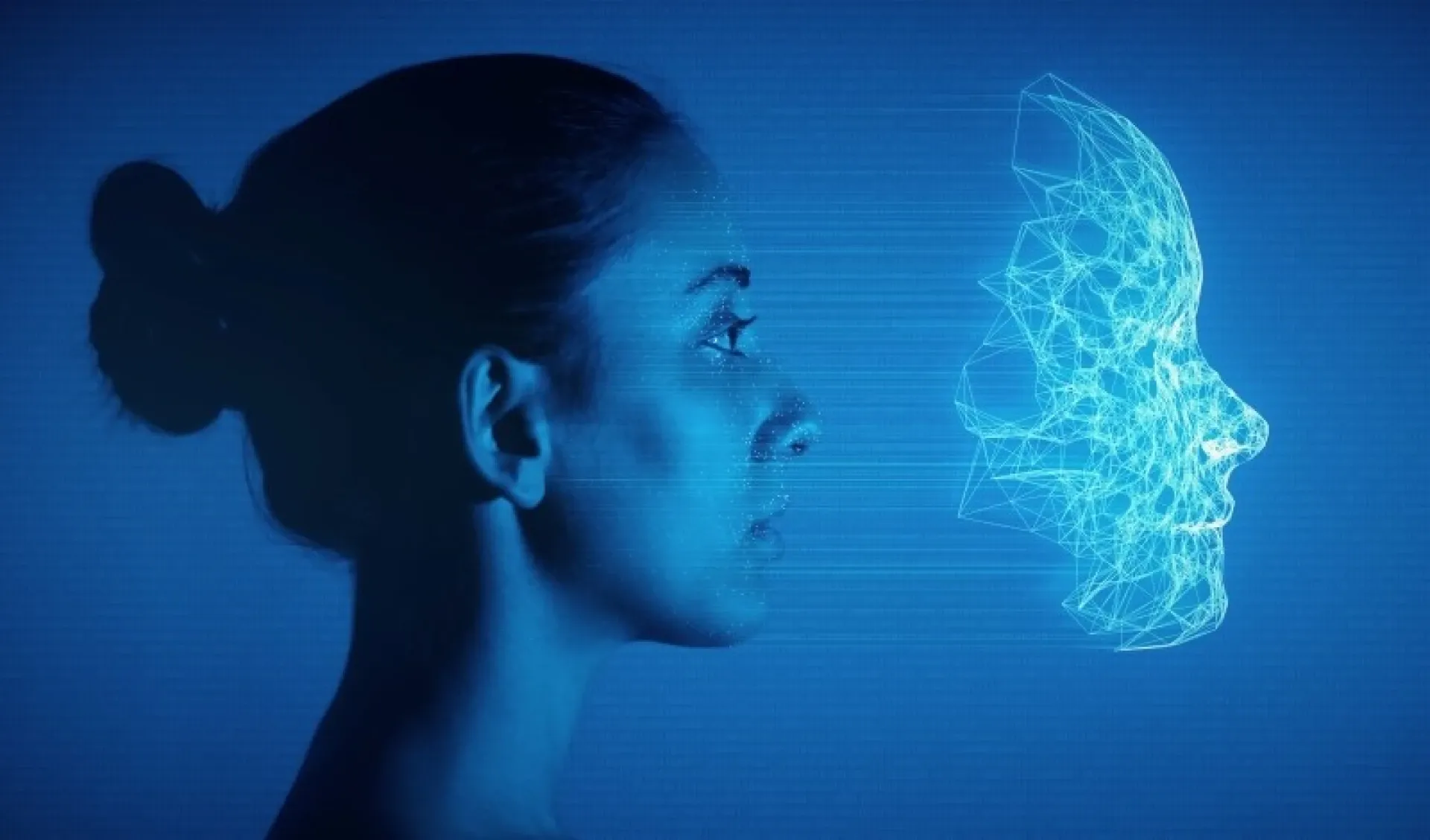
Facial Recognition Technology, as a leading application of Artificial Intelligence (AI) and biometric identification, has permeated nearly every aspect of our daily lives. From unlocking smartphones to airport security, retail customer analytics to suspect tracking in law enforcement, this technology is transforming security, commerce, and personal use with its efficiency, convenience, and contactless operation. However, as its use becomes more widespread, concerns about privacy and accuracy have sparked intense discussion. This article will explore the core principles of facial recognition, recent technical developments, application scenarios, real-world system examples, and commonly used apps—helping readers gain a thorough understanding of this revolutionary technology and offering references for selecting suitable tools.
How Does Facial Recognition Work?
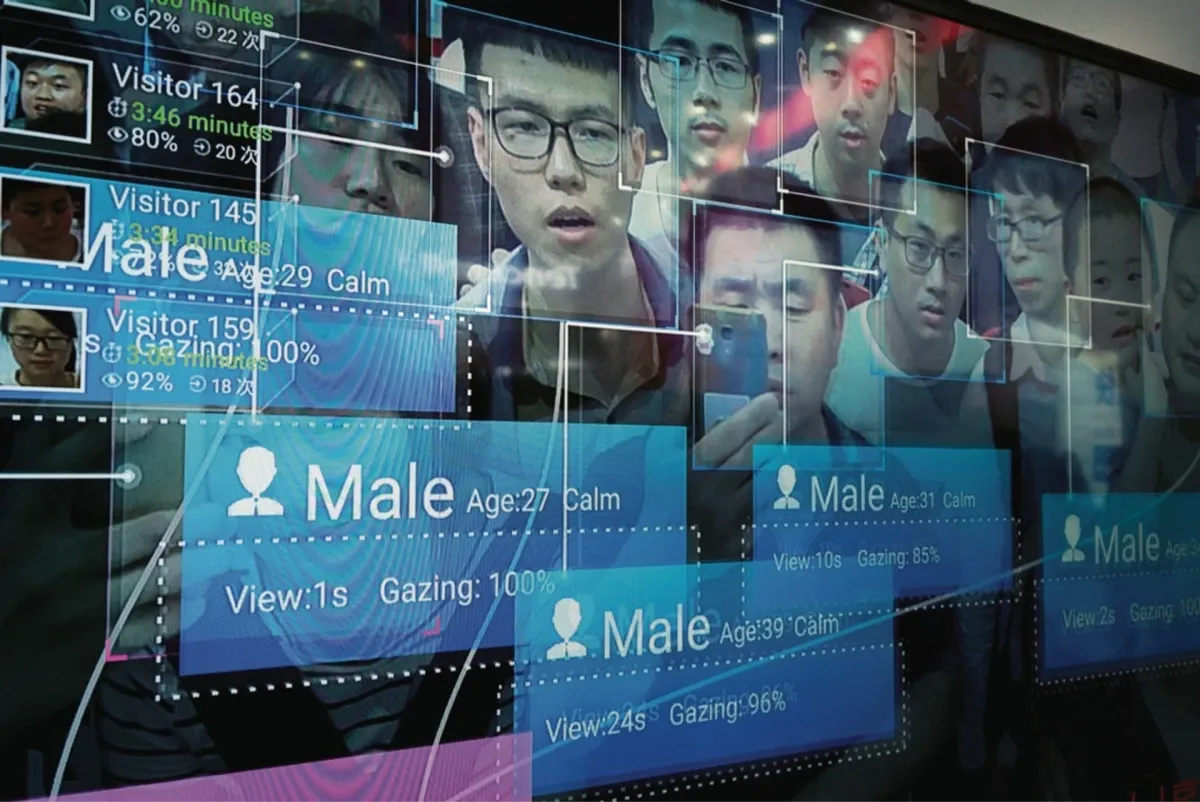
Facial recognition is a technology that uses AI and biometric systems to identify or verify an individual’s identity by analysing facial features. The core process typically involves the following steps:
- Face Detection: The system uses a camera or image input and applies computer vision techniques to detect faces in an image or video, distinguishing faces from the background. Convolutional Neural Networks (CNNs) are commonly used to detect facial outlines.
- Feature Extraction: The system analyses geometric features of the face, such as the distance between the eyes, shape of the nose bridge, jawline, etc., to create a digital “faceprint.” Modern technology typically extracts over 70 facial landmarks using deep learning models.
- Template Matching: The generated faceprint is compared with templates in a database to calculate a similarity score (usually between 0 and 1). A higher score indicates a higher probability that the two faces belong to the same person.
- Authentication or Identification: Based on the match results, the system performs either one-to-one (identity verification, like unlocking a phone) or one-to-many (identifying a person from a database, like suspect tracking) recognition.
This process relies on large-scale training data and deep learning algorithms to ensure accuracy across different lighting conditions, angles, and facial expressions. While early systems (like the semi-manual “man-machine” systems of the 1960s) required manual marking of facial features, modern AI achieves full automation with significantly improved efficiency and accuracy.
Latest Advances in Facial Recognition Technology
With rapid AI development, facial recognition has made notable advances in accuracy, speed, and adaptability. Key technology trends for 2025 include:
- Progress in Deep Learning and CNNs: Improvements in Convolutional Neural Networks have pushed facial recognition accuracy to 99.9% (under ideal conditions such as the NIST FRTE benchmark), enabling systems to distinguish between twins or highly similar faces.
- Real-Time Processing: Edge computing allows real-time facial recognition directly on local devices without relying on the cloud, enhancing both speed and data security.
- Anti-Spoofing (Liveness Detection): To prevent spoofing with photos or videos, modern systems integrate liveness detection features—like blink detection or head movement—to confirm that the subject is a live person.
- Adaptability to Diverse Conditions: New technologies now handle challenges like low lighting, off-angle faces, or face masks. For example, CyberLink’s FaceMe® technology incorporates thermal imaging to detect masked faces.
- Reduced Algorithmic Bias: To address historical bias in recognising people of colour or women, newer models use more diverse datasets to ensure fairer and more inclusive results.
These advancements make facial recognition more reliable and expand its potential for use in a wide range of applications.
What Are the Use Cases for Facial Recognition?
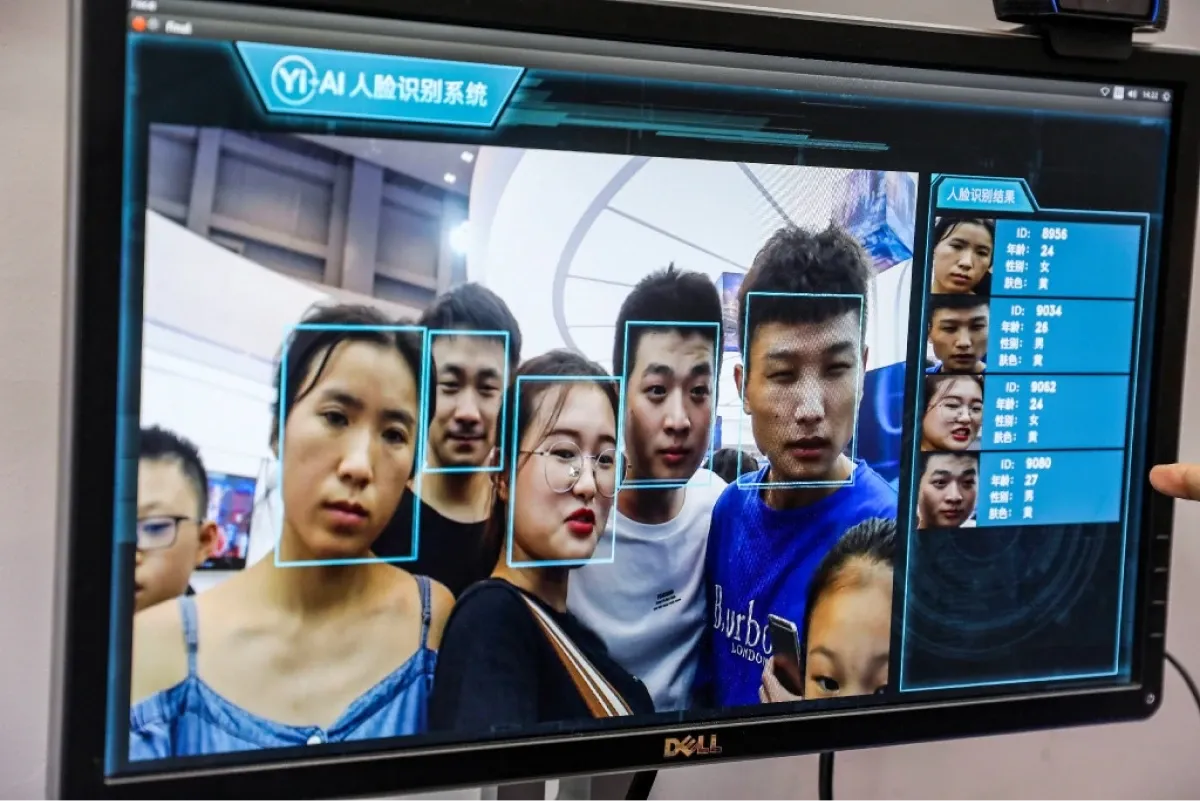
Facial recognition technology is used across many sectors thanks to its contactless and high-efficiency benefits:
- Security & Surveillance: Used in airports, train stations, and other public spaces to verify identity, assist in identifying suspects or missing persons. Example: U.S. convention centers use FaceMe® Security to monitor visitor safety.
- Access Control & Attendance: Companies and schools use facial recognition for touchless access and attendance systems, reducing impersonation and hygiene risks.
- Finance & Payments: Enables password-free transactions by using facial templates. For example, some ATMs and e-wallets authorise transactions using facial recognition.
- Healthcare: Used for patient ID verification, streamlining registration and improving access to medical records. Example: Acadian Ambulance uses FaceMe® to optimise patient identification.
- Retail & Marketing: Analyses customer demographics (age, gender, emotion) to deliver personalised services. Example: Walmart reportedly developed tech to detect customer emotions.
These use cases demonstrate how facial recognition can boost security and efficiency—but they also raise concerns about privacy and data protection.
Examples of Facial Recognition Systems
Here are some real-world facial recognition systems in use today:
- Clearview AI: Built for law enforcement, it has a massive facial database that can rapidly identify suspects or victims. Widely used across U.S. law enforcement agencies but controversial due to privacy concerns.
- FaceMe® Security (CyberLink): Used in commercial and public environments for security surveillance. Capable of detecting individuals on watchlists in real time—applied in airports, malls, and more.
- Amazon Rekognition: Offers facial recognition APIs that support real-time matching and emotion analysis. Used in retail and entertainment but restricted in some regions due to accuracy issues.
- UNIONCOMMUNITY Access Control: Integrates FaceMe® SDK with infrared anti-spoofing technology for use in airports and corporate entry systems.
- Aadhaar (India): One of the world’s largest biometric systems, combining facial recognition with fingerprint ID for citizen identification and government services.
While these systems show the versatility of facial recognition in different scenarios, they also raise privacy debates—such as Meta shutting down its facial recognition system in 2021.
Examples of Facial Recognition Apps
Below are some commonly used facial recognition apps, both free and paid:
FaceApp
- Features: A popular consumer app offering facial editing functions such as aging, gender-swapping, and expression changes, all based on AI facial recognition.
- Pros: User-friendly interface with a variety of creative filters—ideal for social media.
- Limitations: Free version is limited; premium filters require payment.
- Platforms: iOS, Android.
DeepFace
- Features: An open-source facial recognition app supporting real-time face detection and identity recognition—great for developers to integrate into custom projects.
- Pros: Free and flexible; supports multi-platform deployment.
- Limitations: Requires technical knowledge to install and optimise.
- Platforms: Web, desktop, mobile.
- Knomi (Aware)
- Features: Designed for mobile devices; offers facial verification and liveness detection. Commonly used in banking and corporate identity authentication.
- Pros: High security; supports passwordless logins.
- Pricing: Enterprise-level pricing; contact vendor for details.
- Platforms: iOS, Android.
- Face ID (Apple)
- Features: Built into iPhone X and later models, uses 3D face scanning for device unlocking and payment authorisation.
- Pros: Highly accurate; fully integrated into the Apple ecosystem; supports Apple Pay.
- Limitations: Apple-only, not cross-platform.
- Platforms: iOS.
- Lystface
- Features: AI-powered attendance app for touchless employee check-ins, with nearly 100% accuracy.
- Pros: Reduces contact points; ideal for business environments.
- Pricing: Free trial available; paid plans listed on official website.
- Platforms: Web, iOS, Android.
Preserve Your Precious Memories with Capture’s Photo Album Digitisation Service
Do you have a box full of old photographs, worried that they may fade or get damaged over time? Now, you can preserve these treasured memories by digitising them with Capture.HK’s professional photo album digitisation service. Our service allows you to convert your old photos into high-quality digital files, ensuring they are safely stored and easily shareable.
At Capture.HK, we use high-resolution scanning technology to restore your photos with sharp details and vibrant colours, maintaining their original quality. We also offer various file formats, making it easy for you to access and share them across different devices. Most importantly, we handle your photos with utmost care, ensuring they are safely processed and preserved.
The Frame Digital Photo Frame
Want to relive your digital memories every day? Capture’s The Frame digital photo frame is the perfect solution! Designed to showcase your most cherished moments, The Frame allows you to display a lifetime of memories in one elegant frame.
With its sleek design and high-resolution display, The Frame offers an effortless way to organise and enjoy your favourite photos. Simply digitise your photo collection, upload them to The Frame, and enjoy your memories anytime, anywhere.
Whether placed in the living room, bedroom, or office, The Frame adds a touch of warmth and personality to your space. More than just a decorative item, it’s a meaningful gift that brings your treasured moments to life.
Get The Frame today and enjoy your memories every day!
References:
- Applications of Facial Recognition Technology - trio
- Face Recognition Systems: A Survey - PMC
- 7 Applications Of Facial Recognition Technology - Lystloc
- Exploring Facial Recognition Use Cases in 2023 - Eastern Peak
- What is Facial Recognition – Definition and Explanation - Kaspersky
- Face recognition - sls
- Facial Recognition, Explained - builtin
Extended Readings:
Loading...