A Complete Guide & Checklist to Plan a Funeral

Losing a loved one is the most difficult experience, and planning a funeral can be stressful, but having a clear plan can alleviate the burden. In this article, Capture will walk you through the process, from planning a funeral to making a memorial video, providing you with the checklist to support families through this difficult time.
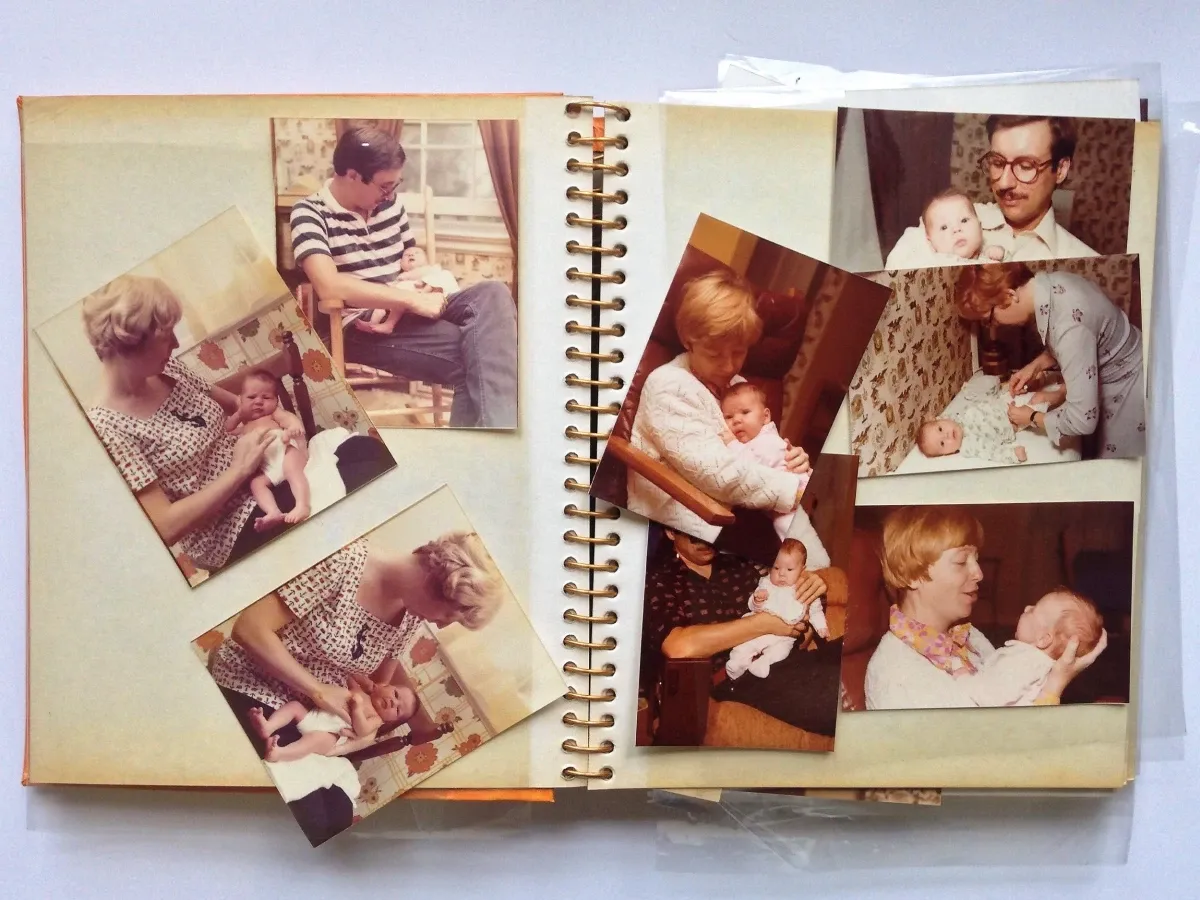
Steps of Planning a Funeral Service
Funeral planning doesn’t have to be overwhelming. By below essential steps, you can ensure a dignified and meaningful farewell for your loved one:
1. Contact the related parties
It is important to make the necessary calls to inform the relevant parties, particularly the deceased's legal representative, such as an attorney or executor of their estate. These professionals can offer guidance on legal matters, such as asset distribution and existing funeral plans. They can also provide insights on who should be involved in the funeral planning.
2. Choosing a funeral director
You can decide whether or not to engage a funeral director. Funeral directors handle various responsibilities, including:
- Collection and care of the deceased
- Planning and overseeing proceedings
- Complete and collect all official paperwork
- Organisation and coordination of other parties
- Provide guidance and support
While certain aspects can be arranged independently for cost-effectiveness, having a funeral director's support can be valuable during this challenging time.
3. Arrange the transportation
Contact a funeral home or mortuary to make arrangements for transporting the deceased. They will guide you through the process and help ensure the deceased is transported with care and respect. If you have a Funeral Director, you can contact them directly to facilitate the arrangements.
4. Check if any pre-arranged funeral plans
If the deceased had pre-arranged funeral plans, review them and follow the instructions accordingly. Honouring and executing their wishes is necessary, including decisions regarding burial or cremation, the location for burial or scattering of ashes, preferred flower arrangements and grave markers, the type of memorial service to hold, and any specific details to include in the service.
5. Decide on the type of funeral
Consider the deceased's wishes and the family's preferences when deciding on the type of funeral service. Common options include burials, cremations and graveside services. Take the time to understand the different types of funerals available before making a decision.
6. Confirm cemetery arrangements
Once the decision for the cemetery has been made, you need to contact them to confirm the plot and the burial time. During this communication, you may need to address additional requirements or personal decisions, such as choosing the appropriate casket, urn, or grave marker. You can also seek guidance from a Funeral Director throughout the process, ensuring that all necessary arrangements are made smoothly and efficiently.
7. Any other memorial service
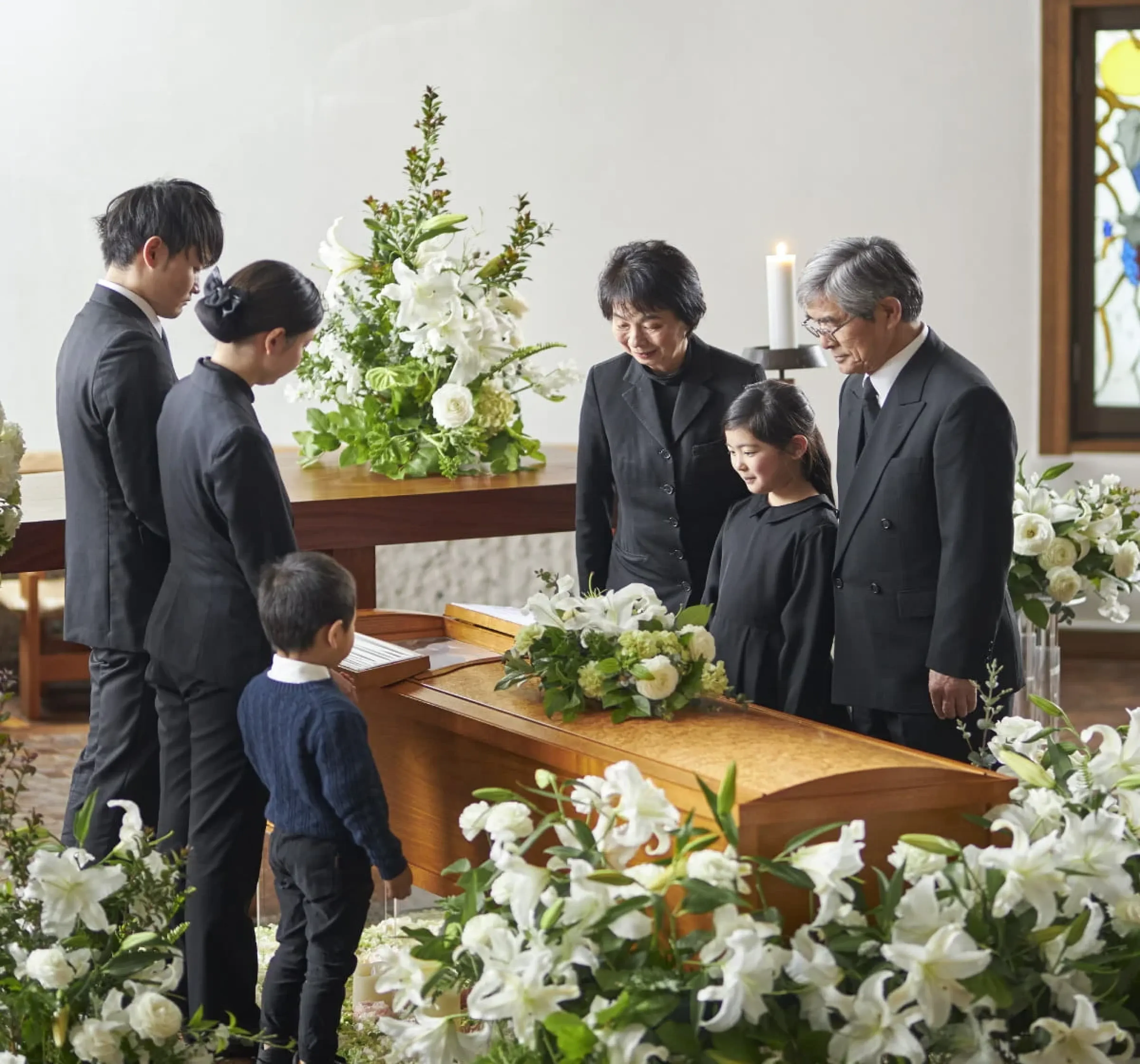
Consider planning an additional memorial service, like a special gathering where family members and friends can come together to say their final goodbyes. To make this service even more personal and meaningful, you can explore various options, such as selecting flowers or making donations in honour of your loved one.
Choosing appropriate funeral music and readings can add a special touch, and creating a memorial video can serve as a heartfelt tribute. These personalised elements will help make a memorial service that truly reflects the unique life and significance of your loved one.
8. Invite friends and family

Remember to inform family and friends promptly once you have finalised the funeral details. Compile a list of family members, friends, and acquaintances who should be notified, and send out invitations or make phone calls to ensure everyone who wants to attend can make appropriate arrangements.
Take this opportunity to provide information about where flowers or donations can be sent, and communicate the appropriate attire or any specific expectations for the memorial event, ensuring that everyone is well-informed and prepared.
How Long Does It Take to Plan a Funeral?
The time required to plan a funeral can vary, typically taking 1-2 weeks. Various factors come into play, such as the complexity of arrangements, venue availability, and coordination with family and friends.
However, it is customary for funerals to be scheduled shortly before the body decomposes. You may consider having a small ceremony for the burial and a more significant memorial service later.
Funeral arrangements checklist
To ensure that no detail is overlooked during the funeral planning process, here is a checklist of essential items to consider:
- Check the deceased's will for any funeral instructions
- Seek support from family members during the planning process
- Calculate the estimated cost of the funeral
- Consider enlisting the services of a funeral director
- Decide on the type of funeral service, such as religious or secular
- Arrange a venue and set a date for the funeral service
- Select a suitable coffin or casket
- Organise transportation for the funeral, including vehicles for the procession
- Create an order of service to outline the proceedings of the funeral
- Determine whether you need floral arrangements or donations
- Choose appropriate funeral music and readings
- Consider creating a memorial video for a heartfelt tribute
- Book a venue for the post-funeral gathering or wake
- Arrange for catering services for the wake
- Extend invitations to family, friends, and other attendees

How to make a memorial video?
Creating a memorial video is a touching way to honour and remember your loved one. Follow these steps to create a beautiful and meaningful tribute:
Step 1: Decide the narrative
The first step is to consider the story you want to convey. You can either opt for a chronological order, presenting the photos in a timeline or grouping them based on significant life events and accomplishments. Once you have chosen the storytelling concept, you can establish the overall theme and tone of the video, ensuring it captures the essence of your loved one's life and memories.
Step 2: Gather the content
Collect photos, videos, and other memorabilia that showcase the life of your loved one. You can look for images that capture significant milestones, family gatherings, hobbies, and achievements that reflect their journey. Also, ask family members and friends to contribute their treasured memories.
Step 3: Choose a soundtrack
Select a soundtrack that resonates with the emotions and memories you want to evoke. Choose music that reflects the personality and preferences of the deceased. Consider using their favourite songs or instrumental pieces that hold special meaning.
Step 4: Enhance storytelling with text
To tell the story, incorporate text elements such as titles, captions, and quotes. Add brief descriptions or dates to provide context to the visuals. Quotes or poems that were meaningful to the deceased can also be included.
Step 5: Create the Video
Use video editing software or online slideshow tools to compile the content, arrange the order of photos and videos, and add transitions and effects. Ensure a smooth flow and balance of sentimental moments and uplifting memories.
Step 6: Export and Test Your Video
Once you're satisfied with the video, export it in a suitable format, usually .mp4, .mov, or .mpeg. Test the video on different devices and platforms to ensure compatibility and optimal viewing experience. Make any necessary adjustments before sharing it with others.
Create a beautiful memorial video easily!
Old memories are often stored in videotapes or film, but how can we transfer them to digital format for memorial video creation? You can consider using a professional digital service like Capture.
Capture specialises in converting old videotapes and photographs to digital format, ensuring high-quality results and saving time and effort. Simply drop off your videotapes and photographs to Capture, and we will handle the entire conversion process for you, delivering the digitised videos & photographs directly to Google Photos. Click here to learn more about Capture’s services.
Tips for Planning a Funeral
Here are a few additional tips to help you through the process:
- Donations: By contributing donations in the deceased’s name, you can support the cause they care deeply about and continue their impact beyond their lifetime. This gesture not only serves as a tribute to their values and beliefs but also helps to create a positive and lasting impact in their memory.
- Payment options: Funerals can be costly, so explore payment options, including funeral insurance, pre-paid funeral plans, or assistance programs.
- Check the available choices: Funeral services can be personalised in various ways, including eco-friendly options, unique urns, or non-traditional venues. Explore all the available options to create a meaningful farewell.
- Digital legacy: Consider the deceased’s digital legacy, which encompasses any wishes or instructions they may have left regarding their online presence, including their social media and other digital accounts.
References:
- How to plan a funeral - Sunlife
- How to Plan a Funeral Service - Trust and Will
- How to Plan a Funeral: A 6-Step Checklist - Nerd Wallet
- How To Make a Beautiful Memorial Video - smilebox
- How to Create a Memorial Video for a Funeral: Step-By-Step - joincake
Loading...