[Funeral Guide] How to Handle Matters After Death? Funeral Process, Methods of Mourning, and Taboos

In the journey of life, we inevitably face separation. When a loved one passes away, handling matters after death becomes an important task we must face. From the funeral process to methods of mourning, Capture provides funeral-related information, including the funeral process, methods of mourning, related taboos, and customs, respecting the memories of the deceased and helping everyone face this difficult challenge together.
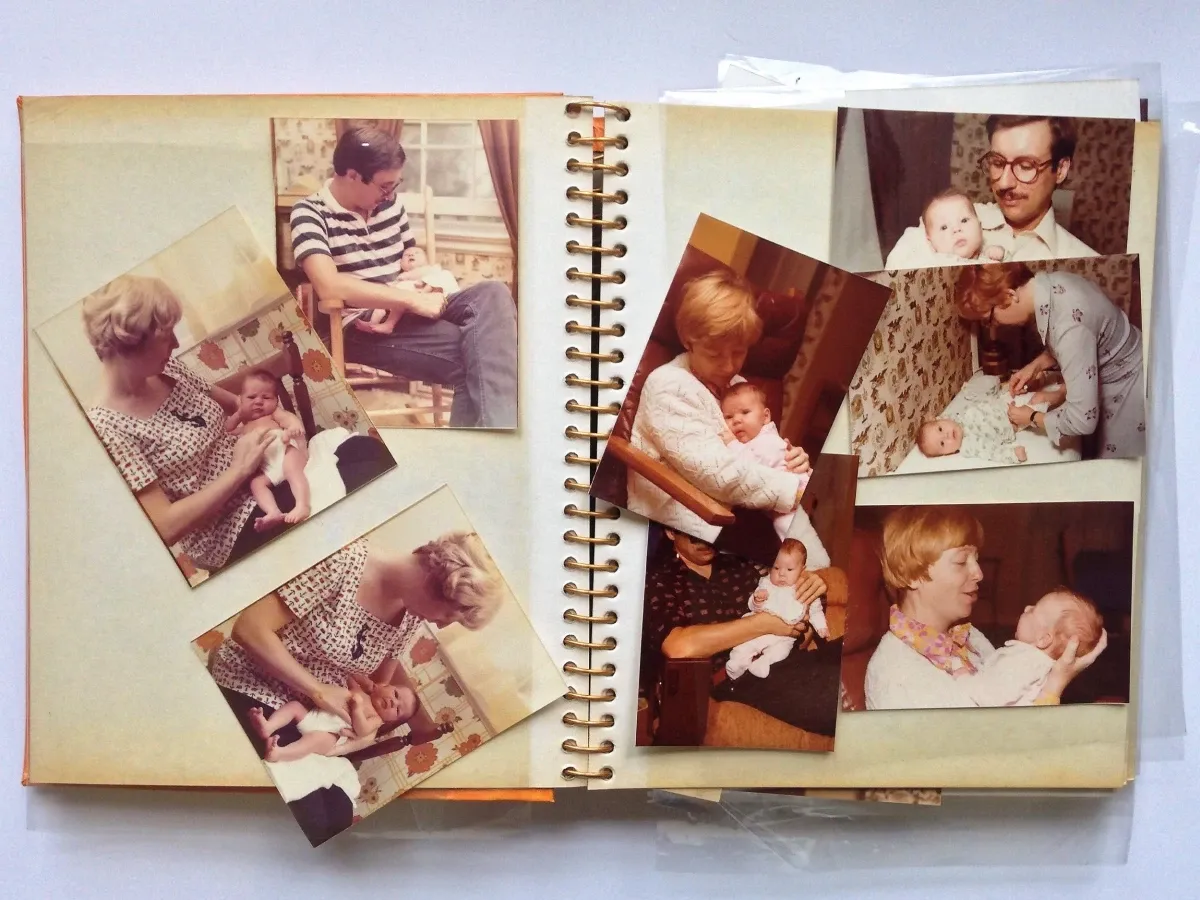
Funeral Methods in Hong Kong
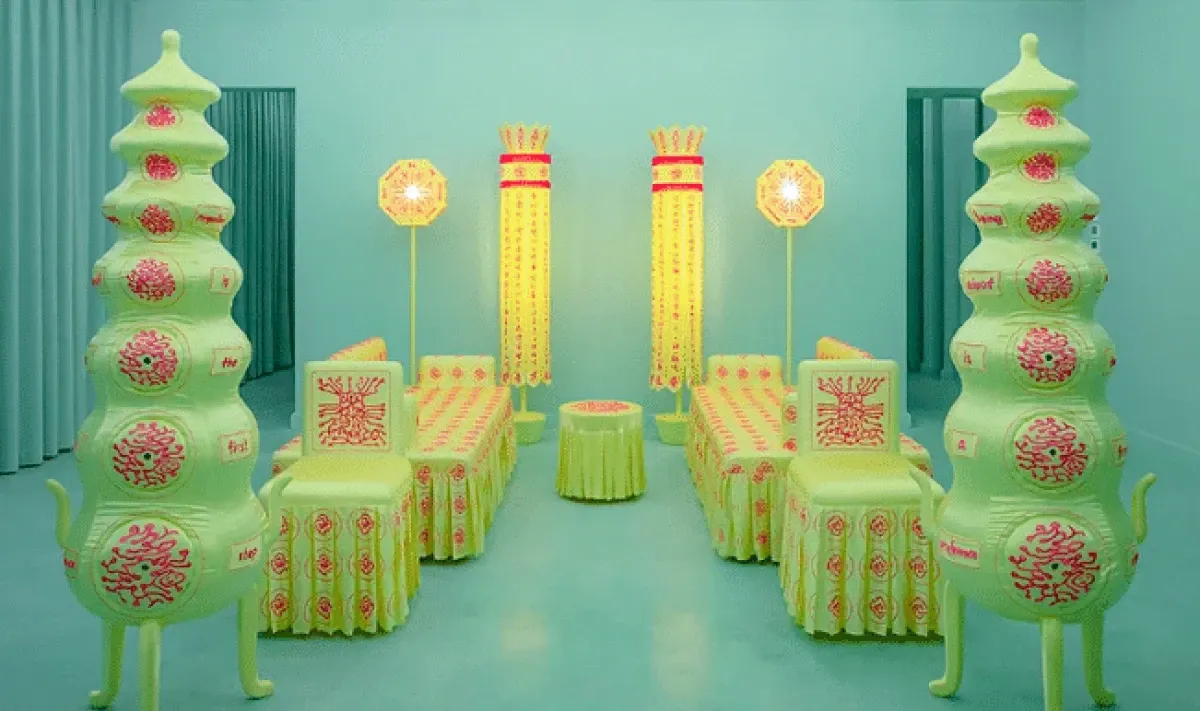
Hong Kong offers various funeral methods, including traditional burial, placement in columbariums, and scattering cremated ashes in designated areas. However, with progress in modern times, non-traditional funeral methods have also gained attention, such as diamond burial, crystalisation of ashes, space burial, and tree burial. Individuals can make appropriate choices based on their beliefs, culture, and the wishes of the deceased. Here's a brief introduction to four common funeral methods:
1. Traditional Burial
Traditional burial involves placing the deceased's body in a coffin and burying it in a cemetery. Some may erect a tombstone, and there is typically an altar in front for descendants to pay respects. This method aligns with traditional values and is seen as a way to respect the deceased and maintain ancestral traditions.
However, land is limited and expensive, especially in land-scarce Hong Kong. Traditional burial requires purchasing a burial plot and regularly paying maintenance fees.
2. Columbarium
A columbarium is a method where the deceased's ashes are placed in specific niches or compartments. Families can rent columbarium niches to house the ashes. This method is relatively economical as it does not require vast amounts of land.
However, costs vary depending on whether the columbarium is public or private. Applying for and waiting for a public columbarium managed by the government can take up to 4 years, with costs around HK$3,000. Private columbarium niches, however, can cost up to HK$1 million.
3. Sea Burial
Sea burial involves scattering the ashes of the deceased into the sea after cremation. This method requires application and approval from the Food and Environmental Hygiene Department (FEHD) before proceeding. The advantage of sea burial is its environmental friendliness, allowing the deceased to return to nature after passing, and it avoids issues related to land use and cemetery maintenance.
However, sea burial may conflict with personal religious beliefs or cultural customs. The scattering process must strictly adhere to regulations and can only be performed at designated locations, including East Ninepin Group, east of Tung Lung Chau, and southwest of the Soko Islands channel.
4. Garden of Remembrance Burial
Garden of Remembrance burial involves scattering the deceased's ashes in designated memorial gardens, providing another way to return to the earth and find peace. Besides being environmentally friendly, this method saves on land rental costs and provides a serene place for family and friends to remember and mourn the deceased. Currently, there are 8 columbariums in Hong Kong with a total of 11 memorial gardens.
However, conducting a Garden of Remembrance burial requires prior application to the Food and Environmental Hygiene Department (FEHD) and a fee of HK$90 for creating a memorial plaque. While cost-effective, this method may not align with traditional views and may not be universally accepted.
How to Arrange Funeral Procedures?
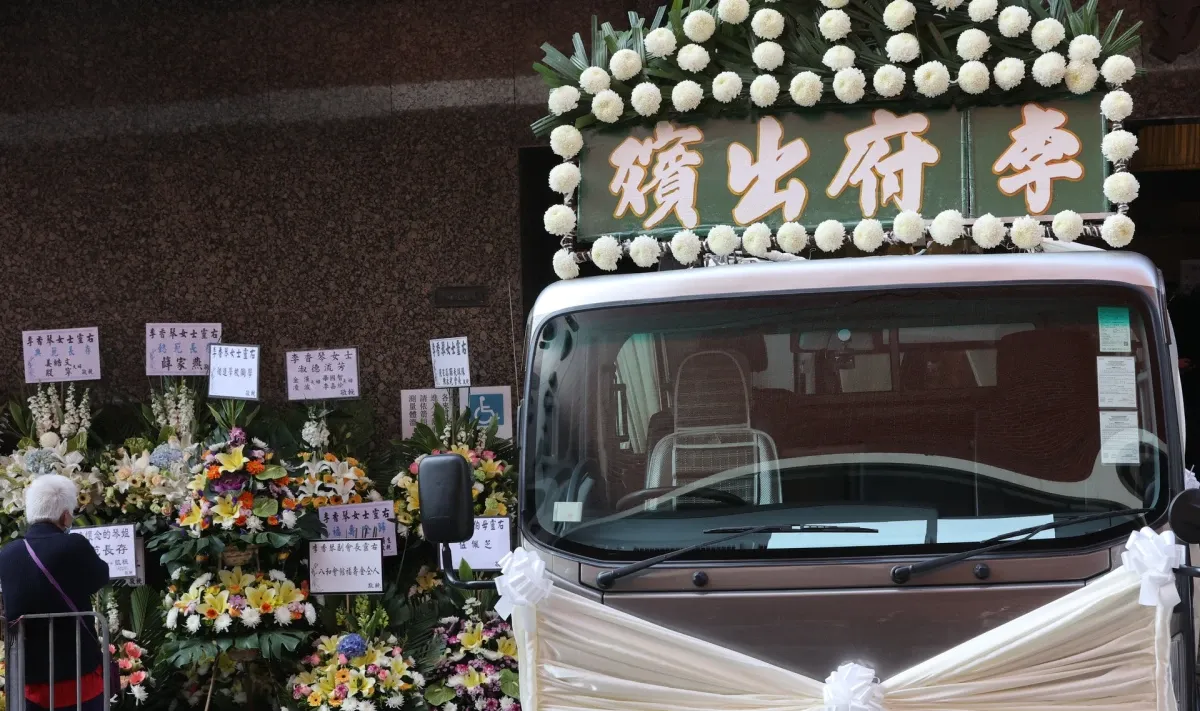
Step 1: Apply for Death Documents
Family members need to register death certificates with the Hong Kong Food and Environmental Hygiene Department, Immigration Department, and Department of Health to verify the identity and death of the deceased. In cases of natural death, hospitals typically issue a "Medical Certificate of Cause of Death" (commonly known as the "doctor's paper"), a "Doctor's Certificate" (commonly known as the "cremation paper"), and a certificate for claiming the body. For non-natural deaths, a "Certificate for Burial/Cremation Approval" issued by a coroner (commonly known as the "forensic paper") needs to be obtained.
Step 2: Decide on Funeral Arrangements
Next, family members can choose the method of burial, usually cremation or burial. If cremation is chosen, they can apply to arrange it themselves or entrust a licensed funeral director or others to handle it. For burial, they need to contact the cemetery's office to schedule a burial date.
Step 3: Arrange the Funeral
Family members can contact funeral homes or funeral service providers to schedule the time and place of the funeral. They should also communicate with the funeral host or religious leader to determine the format and content of the funeral. This may include religious rituals, speeches, music, memorial services, etc. Depending on their needs, family members can arrange necessary items and services such as wreaths, coffins, funeral vehicles, audio equipment, etc.
Step 4: Funeral Procession
The funeral procession is a crucial part of the funeral process, each step representing respect and commemoration for the deceased, and providing an opportunity for family members to express grief and mourning. The main process includes:
Firstly, family members need to go to the hospital mortuary with the deceased's original identity card, receive the body, and transport it to the chosen funeral home. Simultaneously, family members need to prepare appropriate clothing, shoes, socks, and accompanying items for the deceased.
At the funeral home, family members can set up a chapel and prepare three favourite dishes of the deceased, ten sets of clothing, and ten pairs of pants (five for winter and five for summer). Subsequently, the ceremony is conducted by appropriate religious figures such as monks, nuns, or pastors. According to religious requirements, incense and paper offerings may be lit to express mourning for the deceased.
Family members prepare breakfast preferred by the deceased for worship, and a monk, nun, or funeral staff conducts the coffin sealing ceremony. After the coffin sealing ceremony, the body is transported to the crematorium or burial ground for the funeral procession.
After the ceremony, family members can hold a memorial banquet to commemorate the deceased.
Step 5: Handling Ashes
After the deceased's body has been cremated, it usually takes about 7-10 working days for the ashes to be returned to the Food and Environmental Hygiene Department in Kowloon. Family members can then collect the deceased's ashes and relevant cremation certificates from the department.
Next, based on the deceased's wishes, family members can choose to place the ashes in a niche, scatter them in a memorial garden, or scatter them at sea. Regardless of the chosen method, all legal regulations and requirements must be followed, and appropriate procedures and documents must be processed.
How to Mourn Loved Ones?
1. Creating a Memorial Booklet
Creating a memorial booklet is one of the best ways to commemorate and mourn the deceased. The booklet can include photos of the deceased, their life story, memories, family blessings, and words of gratitude. Family members can gather photos and information about the deceased and design a personalized memorial booklet.
You can also utilise digital photo scanning services (such as Capture) to digitise old photos for use in the memorial booklet. Capture uses specialised digitisation technology to convert each old photo into high-quality digital images, making it easy for family members to preserve and use photos to reminisce about these precious memories.
2. Prepare a Eulogy
Family members can carefully write a eulogy to express deep mourning and memories of the deceased. This eulogy can include a narrative of the deceased's life, memories of shared moments, expressions of gratitude, and farewell words. It's an opportunity for family members to reflect on the deceased's life, recall special moments, and articulate these feelings and memories in words.
In the eulogy, family members can describe the deceased's personality, character, and achievements. By sharing the deceased's contributions to family, friends, and the community, as well as their profound impact on life, it showcases the unique value and significance of the deceased. Reading this during the funeral allows attendees to collectively experience the deceased's life story and influence, providing them with reflection and inspiration on life.
3. Memorial Service
Hosting a memorial service allows friends and family to gather together to mourn collectively. The memorial service can be held after the funeral or on specific dates and locations. This event can include reminiscing and sharing stories about the deceased, performing mournful music, spending time with friends and family, and collectively commemorating the life of the deceased.
During the memorial service, family members can also use photo and videotape digitisation services (such as Capture) to create a memorial video showcasing the deceased's photos and memory snippets. Capture's digitisation service efficiently converts old media like photos and videotapes into digital formats, aiding in creating a poignant and personalised memorial video for friends and family to reminisce and mourn the deceased.
4. Donations
Donating is a meaningful way to express mourning and commemorate the deceased. Family members can choose to donate to charitable organizations, foundations, or other institutions that the deceased cared about, in memory of their life and to help others.
Donations can be in the form of money, goods, or services. Family members can select an appropriate organisation or institution based on the deceased's values and areas of concern. For example, if the deceased cared about education, donations can be made to educational institutions or scholarship funds. If the deceased cared about animal protection, donations can be made to animal shelters or protection organisations.
Such donations can uphold the deceased's values and concerns, positively impacting society. Additionally, this proactive gesture can alleviate the grief and sorrow of family members, helping them find a positive way to cope with the departure of the deceased.
Funeral Costs
Funeral costs typically range from thousands to tens of thousands of dollars, depending on the service provider and the services rendered. Generally, these costs include expenses for the coffin and cremation, decoration, ceremony and offering expenses, memorial items and remembrance activities, as well as funeral service fees. When planning, it is recommended to discuss your needs in detail with a funeral home or relevant professionals to obtain accurate pricing and ideal services.
Considerations for Funerals
When handling funeral arrangements, it's important to keep the following in mind:
Licensing of Private Columbaria
According to the "Private Columbaria Ordinance," only licensed private columbaria can sell or lease niches. Therefore, if choosing a private columbarium, ensure that it is licensed. Understand your rights, including how stored ashes will be handled if the columbarium closes.
Undertakers vs. Funeral Parlours
When arranging funerals, consider using undertakers or funeral parlours; both offer similar services. Undertakers typically rent embalming facilities and chapels from funeral parlours but may provide additional services like assisting with applying for public niches. Funeral parlours offer embalming facilities and chapels.
Secure Ancestor's Documents
When handling funeral matters, securely store the deceased's documents, including ID, death certificate, and medical records. These documents may be needed for procedures such as funeral arrangements, body placement, and insurance claims. Do not hand over these documents to others until funeral decisions are finalised.
Compare and Understand Charges
When choosing funeral services, take your time and avoid rushing into decisions or signing contracts hastily. Compare charges and services from different providers, such as capacity, coffin sizes, and understand fees for chapel arrangements, offerings, floral arrangements, staff services, etc. Discuss with family before making a decision.
Before signing contracts, inquire about any hidden fees or options to avoid disputes or financial burdens later, such as rescheduling or changing chapel venues and associated rental fees.
Funeral Taboos and Customs
Funerals are solemn occasions that express respect and condolences for the deceased. Different cultures and religions have various funeral taboos and customs. Below are some common Chinese taboos and customs for reference:
Offerings of Respect:
Offerings of respect are gestures to honour the deceased and their family. Attendees often present silk cloths or wreaths as symbols of mourning, and the host responds with thanks. These offerings are not kept long-term and can be donated or used for transportation expenses.
Mourning Attire:
When an elder passes away, their spouse, children, daughters-in-law, sons-in-law, and grandchildren wear mourning attire as a sign of respect. Other relatives like siblings and their spouses, nephews, and nieces are not required to wear mourning attire but may wear a white belt inside the chapel to show mourning.
Head Flowers and Black Sandals:
Black sandals are typically worn by male relatives, while head flowers are worn by female relatives. Head flowers come in white, blue, and green colours, representing different familial relationships.
Avoiding Inauspicious Behaviour:
During the funeral, maintain solemnity and refrain from discussing unrelated topics or wearing bright clothing. When leaving, avoid saying farewell or similar parting phrases.
Lifestyle Customs:
During mourning periods at home, celebrations like birthdays or attending others' celebrations are avoided out of respect and mourning for the deceased.
Period of Mourning:
During the mourning period, men traditionally do not wear leather shoes, and women remove accessories as a sign of mourning for the deceased.
Scattering Money:
Scattering money is a traditional Taoist ritual used to pray for the deceased's peace and bring blessings and longevity to the living.
Vigil:
The vigil typically occurs the night before the funeral procession, where filial children and relatives stay by the deceased's side overnight as a final mark of respect.
Funeral Taboos:
Certain taboos, like avoiding specific times for burial or refraining from wailing, are observed to ensure the deceased peacefully transitions.
Dietary Restrictions:
The host family avoids eating certain foods with negative connotations to prevent bringing bad luck to the mourning household.
These customs and taboos reflect the cultural and spiritual significance placed on honouring the deceased and comforting their loved ones during a funeral.
Preserving and Sharing Memories with Loved Ones
With the help of modern technology, we now have more ways to permanently preserve and share cherished memories of our loved ones. One effective method is digitising photographs. Beyond preservation and sharing, digitisation offers restoration options to repair damaged photos, ensuring these precious memories remain intact and easily shareable with family and friends.
Capture HK's photo album digitisation service utilises specialised digitisation technology to efficiently convert each photo and videotape into digital format. Our process is non-invasive, guaranteeing your photos are never removed or physically touched from your albums. Digital photo files can be directly accessed via Google Photos, facilitating the preservation and sharing of treasured memories.
👉 Learn more about our photo album digitisation services.
The Frame Digital Photo Frame
Looking to reminisce about beautiful moments? Capture's The Frame digital photo frame is designed to fulfil that purpose. It consolidates countless precious memories, showcasing the most treasured moments of your life.
The Frame boasts not only exquisite design and high-quality display but also user-friendly functionality, allowing you to easily manage and display your photos. You can digitize your albums and photos, storing them in The Frame to enjoy these precious memories anytime, anywhere.
Whether placed in the living room, bedroom, or office, The Frame adds a touch of warmth and personality to your space. It's not just a beautiful decoration but also a precious gift that illuminates your life.
Purchase The Frame now and relive precious memories every day!
Loading...