Photography Techniques: Understanding Aperture, Shutter Speed, ISO, Shooting Angles, and Backlight Management
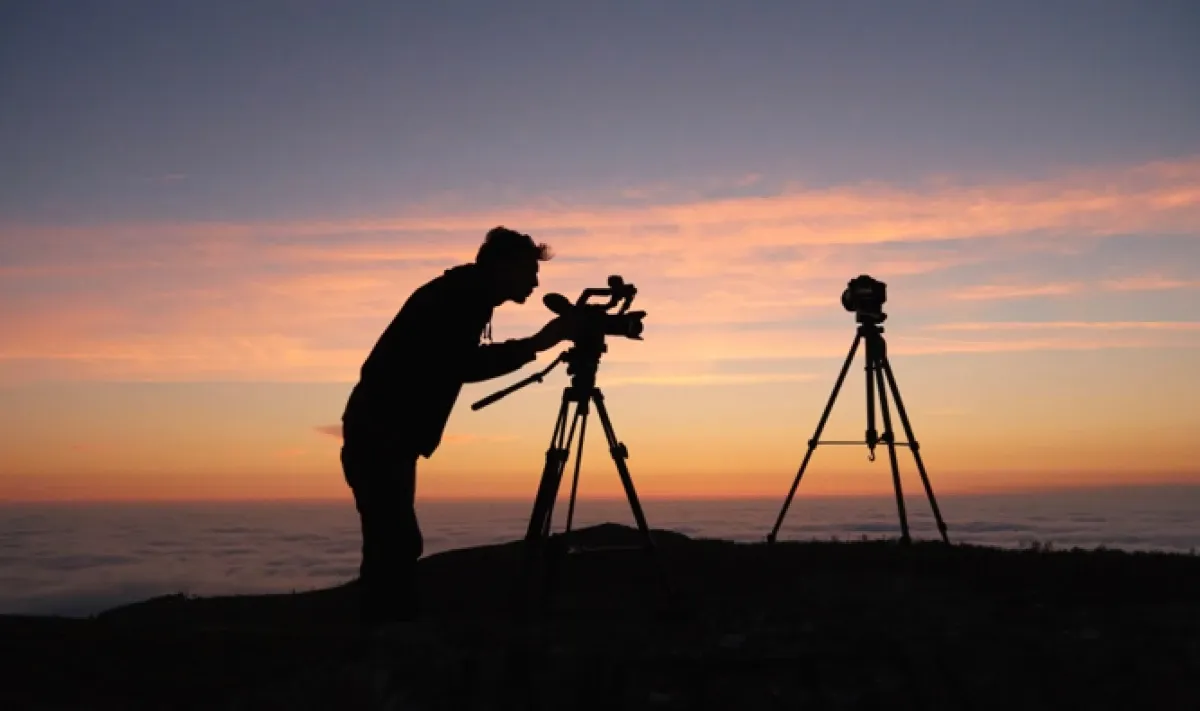
Photography techniques are crucial for capturing better photo results. Capture has compiled basic shooting techniques for you, introducing how to control aperture, shutter speed, and ISO, as well as how to utilise different shooting angles and backlighting techniques.
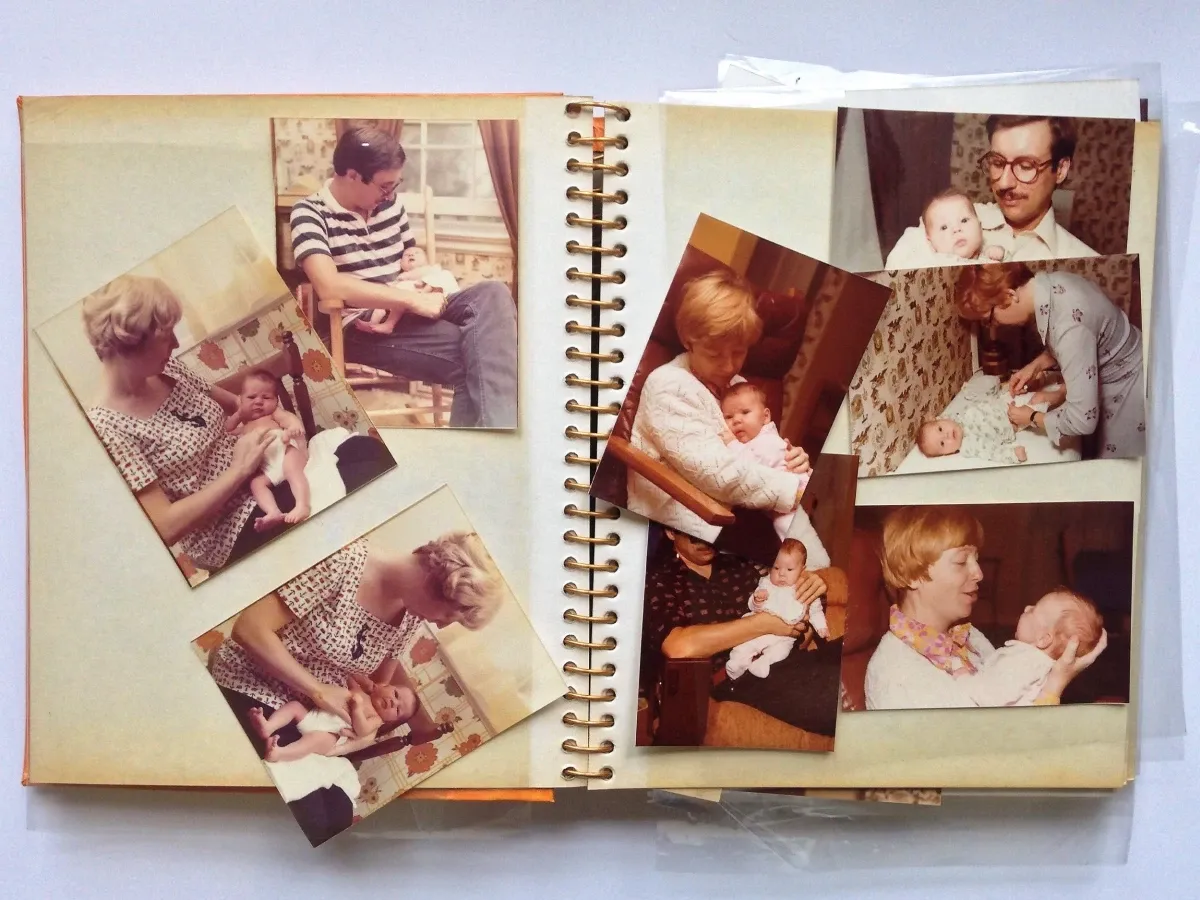
What are Photography Techniques?
Photography techniques refer to the use of various photographic principles and methods during the shooting process to achieve better photo effects. These techniques include controlling the aperture, shutter speed, and ISO, as well as utilising different shooting angles and backlighting effects.
What is Aperture?
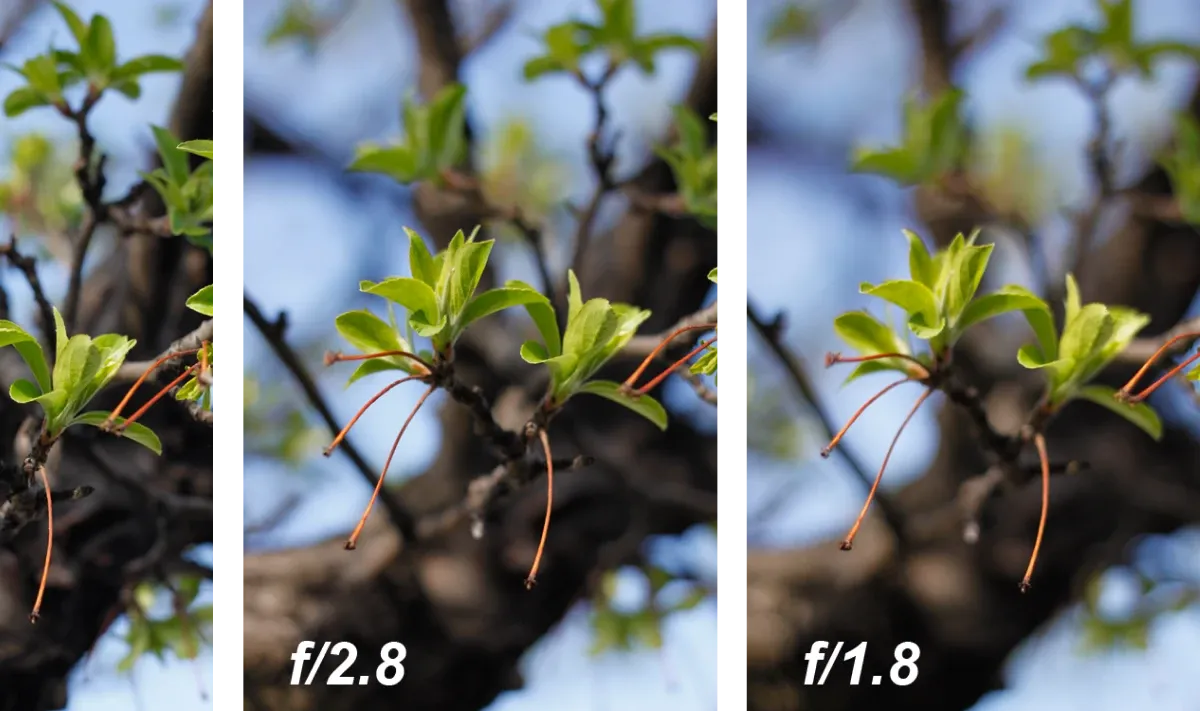
Aperture is a crucial element in a camera lens that controls the amount of light entering the lens. It is usually represented by a series of numbers known as aperture values or f-stops (e.g., f/1.8, f/2.8, f/4, etc.). The smaller the aperture value, the larger the aperture opening, allowing more light into the lens; conversely, the larger the aperture value, the smaller the opening, limiting the amount of light that enters.
Aperture Size
The size of the aperture directly affects the exposure and depth of field of a photo.
- Large Aperture (Small Numerical Value): A larger aperture (smaller f-stop value) produces brighter photos, as more light enters the lens and reaches the image sensor (such as the image sensor in digital cameras or film). Additionally, a larger aperture also creates a shorter depth of focus, highlighting the subject and blurring the background, known as "shallow depth of field" or "large aperture effect."
- Small Aperture (Large Numerical Value): A smaller aperture (larger f-stop value) restricts the amount of light entering the lens, making the photo darker but also producing a longer depth of focus, which can achieve greater depth of field, keeping the entire scene in focus.
Aperture values can be adjusted in the camera's aperture priority mode or manual mode. Different aperture values also affect other camera settings such as shutter speed and ISO sensitivity, so it's important to carefully consider the balance between aperture and other camera settings to achieve the desired exposure and depth of field effects.
What is Shutter Speed?
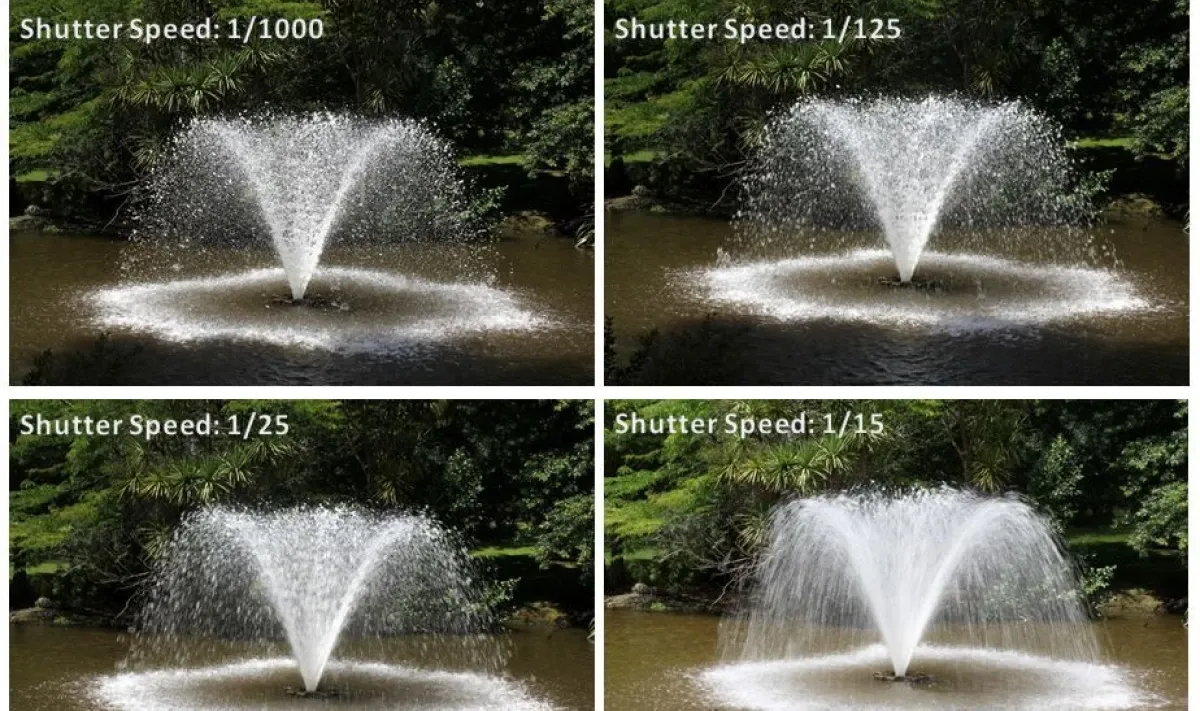
Shutter speed is the setting that controls the exposure time of the lens, dictating how long light is allowed to enter the camera and reach the image sensor (such as the image sensor in digital cameras or film). It acts like a window or door that can be opened or closed to control the entry of light. Shutter speed is usually expressed in units of time, such as 1/1000 second, 1/250 second, 1/60 second, etc. It determines the clarity of moving subjects or objects.
Shutter Speed
The choice of shutter speed depends on various factors, including lighting conditions, the speed of the subject's movement, and the effect the photographer wants to achieve.
- Faster Shutter Speed: Can capture clear effects of moving people or objects.
- Slower Shutter Speed: Can capture blurred effects of moving people or objects, such as creating a soft effect when shooting flowing water.
Shutter speed is also related to exposure. The faster the shutter speed, the shorter the time the image sensor is exposed to light, making the photo darker. The slower the shutter speed, the longer the exposure time, making the photo brighter. Therefore, photographers need to find a balance between lighting conditions and desired exposure to achieve the ideal exposure effect.
What is ISO?
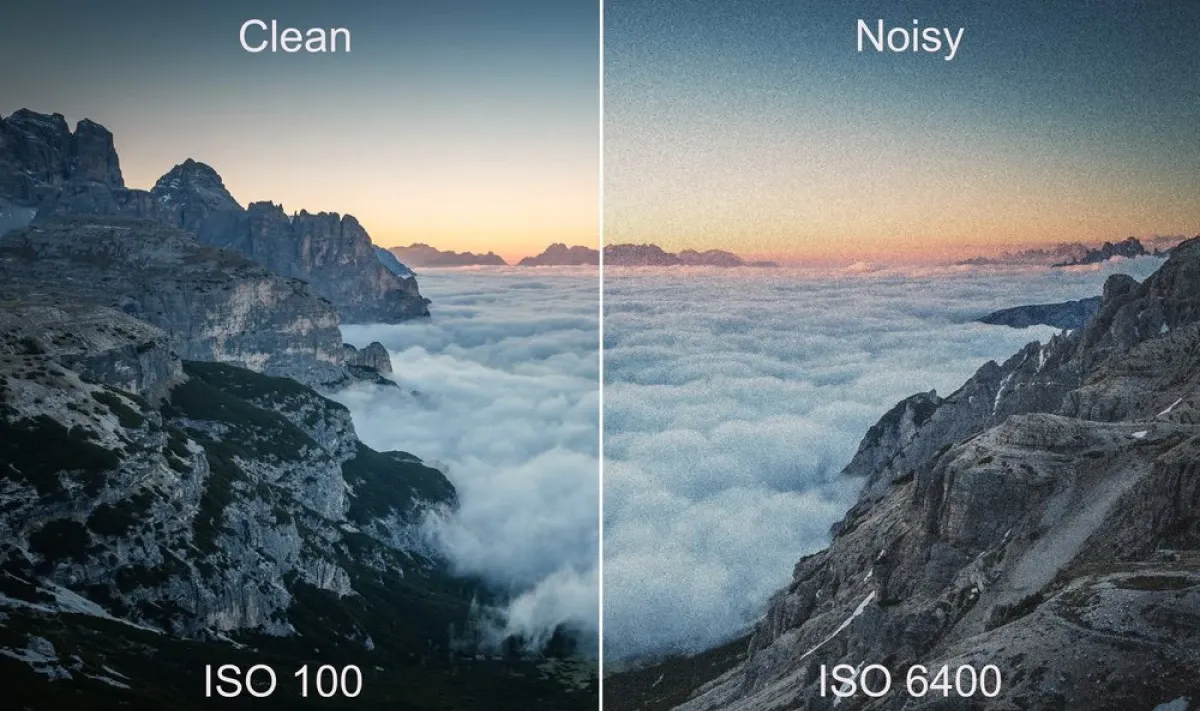
ISO refers to the camera's sensitivity to light. It is usually represented numerically, such as ISO 100, ISO 400, ISO 800, etc.
- Higher ISO Values (e.g., ISO 800 or ISO 1600): The image sensor is more sensitive to light, allowing for shorter exposure times in darker environments. This is very useful for indoor, nighttime, or low-light conditions. However, higher ISO values also increase noise and decrease image quality.
- Lower ISO Values (e.g., ISO 100 or ISO 200): The image sensor is less sensitive to light, requiring more light for proper exposure. This is typically used in well-lit conditions, such as outdoors on a bright sunny day. Lower ISO values produce less noise and higher image quality but require more light.
Techniques for Shallow Depth of Field Photography
Shallow depth of field is a photographic effect often used to highlight the subject and blur the background. Here are some techniques for achieving shallow depth of field:
- Use a Large Aperture (Small Numerical Value): Open the camera's aperture to increase the amount of light entering the lens, thereby achieving a smaller depth of field.
- Choose the Appropriate Focus Point: Focus on the subject to ensure it is clear while the background is blurred.
- Adjust Shooting Distance: Getting closer to the subject can enhance the depth of field effect, making the background more blurred.
Backlight Photography Techniques
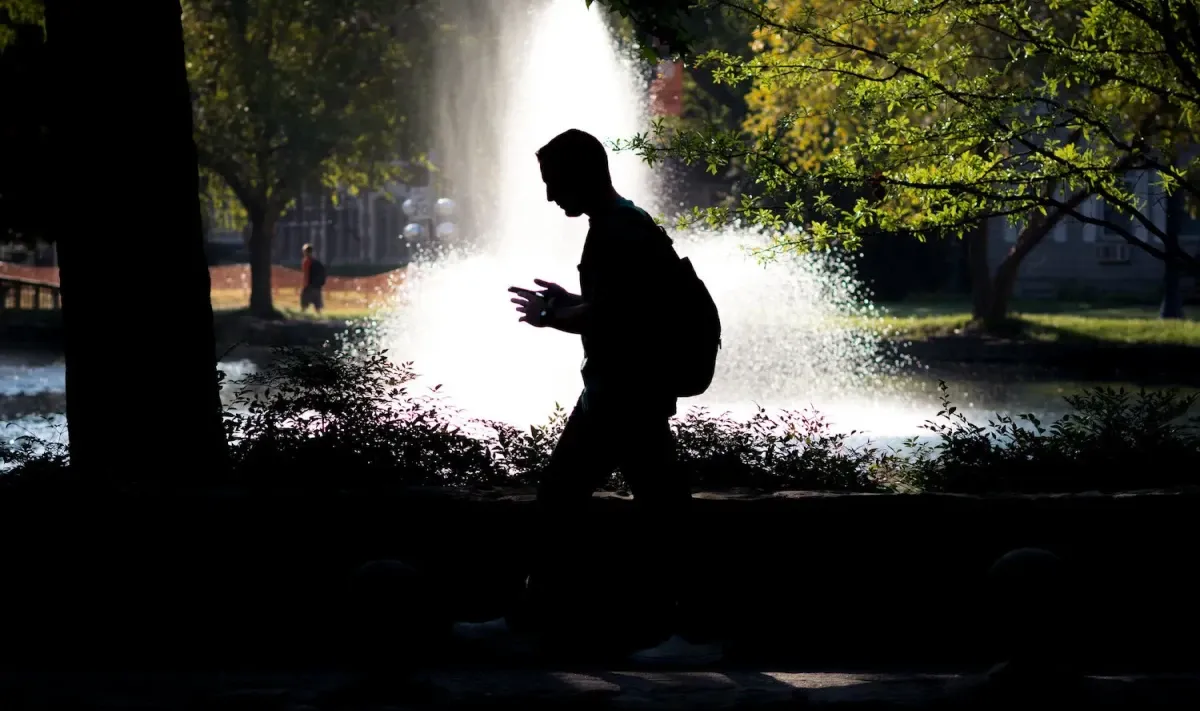
Backlight refers to situations where light shines from behind the subject towards the camera. In backlight conditions, the light source (such as the sun or a bright indoor light) is behind the subject. Here are some techniques for backlight photography:
- Manually Adjust Exposure and Focus: Since backlight can affect autofocus and exposure, you may need to manually adjust these settings to ensure clarity of the subject.
- Use a Reflector or Flash: To fill in light on the subject, making it brighter.
- Silhouette Effect: Meter against a bright background to turn the subject into a black silhouette, creating a mysterious and interesting effect.
- Shadow Effect: Meter against a bright background to turn the subject into a black silhouette, creating a mysterious and intriguing effect.
Techniques for Shooting at Different Angles
In photography and filmmaking, the angle is a crucial element. Choosing different shooting angles can bring various visual effects and emotional expressions. Proper use of angles can enhance the attractiveness of a photo, making the viewer more engaged and feeling the emotions of the story. Here are some common techniques for shooting at different angles:
Low Angle Shooting
The photographer or camera is positioned below the subject, shooting from a low to high angle. This angle can make the subject appear more powerful and majestic, giving a sense of looking up. Low angle shooting is often used for superheroes, leaders, or authoritative scenes to emphasize their power and influence.
High Angle Shooting
The photographer or camera is positioned above the subject, shooting from a high to low angle. This angle can make the subject appear smaller and more vulnerable, giving a sense of looking down. High angle shooting is frequently used to portray helplessness, vulnerability, or weakness, enhancing the viewer's emotional resonance and empathy.
Side Angle Shooting
The photographer or camera is positioned to the side of the subject, shooting from a lateral angle. This angle can showcase the subject's silhouette and details, while also highlighting the shape and structure of the object. Side angle shooting is commonly used to capture the silhouette of people, the exterior of buildings, or specific parts of an object to emphasize its features and aesthetic.
Long Shot
The photographer or camera is positioned at a distance from the landscape, shooting from a distant angle. This angle can display the surrounding environment and landscape, while also creating a sense of openness and grandeur. Long shots are commonly used to capture landscapes, city panoramas, or a broad range of a scene to create a stunning and spectacular effect.
The Frame Digital Photo Frame
Whether celebrating significant milestones, birthdays, wedding anniversaries, or showing appreciation for the support of mothers and fathers, the Capture's The Frame digital photo frame is a deeply meaningful and personalised gift. It brings together countless precious memories, showcasing the most cherished moments of a lifetime.
The Frame is not only beautifully designed with a high-quality display but also features easy-to-use functionalities that allow you to effortlessly manage and display your photos. You can digitize your photo albums and store them in The Frame, enjoying these precious memories anytime, anywhere.
Whether placed in the living room, bedroom, or office, The Frame adds a touch of warmth and personality to your space. It is not just a beautiful decoration but also a precious gift that can brighten your life.
Purchase The Frame now to turn treasured photo albums into a thoughtful gift and surprise your parents and friends!
Common Questions
1. How to Take Dreamy Backlit Portraits?
To capture dreamy backlit portraits, position the subject against the light source, making them appear as a silhouette or outlined figure. Adjust exposure and focus to ensure clarity of the subject. Try using manual focus to avoid the interference of autofocus by backlight. Additionally, post-processing adjustments in contrast can enhance the backlight effect.
References:
- "What is Lens Aperture?" - Adobe
- "What is ISO in Photography and How to Use It" - Adobe
- "Capturing Compelling Portraits" - Sony
- "How to Shoot Portraits with a Bokeh Background in Backlit Scenes?" - Snapshot
- "Advanced Shooting Techniques Tutorial - Backlight Photography, A Love-Hate Relationship with Backlight" - Gapple
- "Camera Basics #14: Position and Angle" - Snapshot
Loading...