AI Art Styles: The 10 Most Popular Styles of 2026
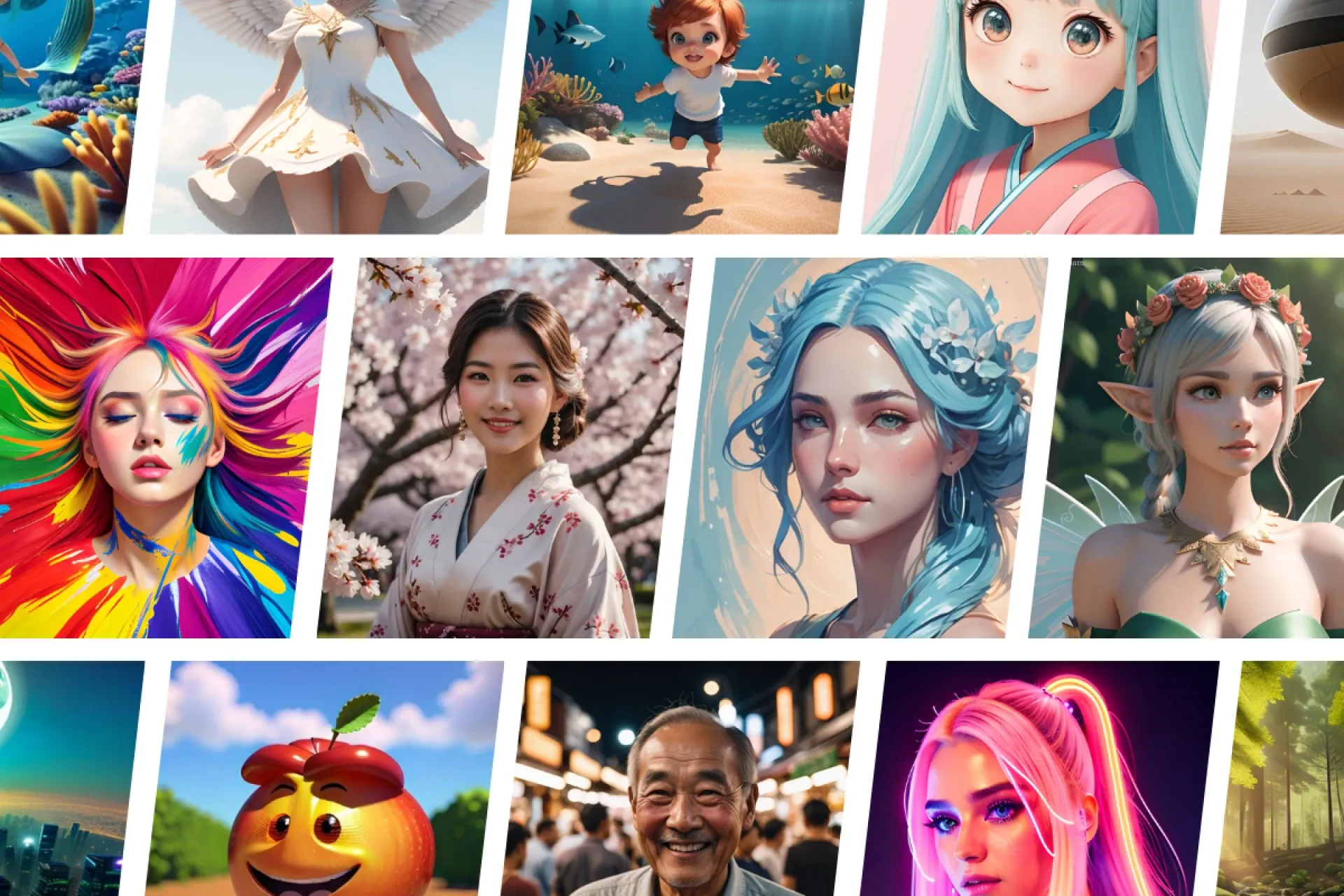
In 2025, AI drawing technology has become a revolutionary tool in the creative field. Through platforms like Midjourney, Stable Diffusion, or starryai, users only need to input a text prompt, and AI can generate high‑quality images. AI art styles refer to the visual styles specified during the generation process—these styles not only influence the appearance of the image but can also incorporate culture, history, and modern trends. With advances in AI models, such as more precise image generation and style transfer techniques, these styles have become more diverse and easier to experiment with.
Why Are AI Art Styles So Popular?
First, they lower the barrier to creativity, allowing non‑professionals to create professional‑level art. Second, in social media and digital marketing, unique styles capture attention and drive viral sharing. According to industry reports, the AI art market in 2025 is expected to grow by more than 50%, with style diversity as a key driver. These styles not only borrow from traditional art but also integrate digital innovations such as pixelation and futurism. Below, we highlight the 10 most popular AI art styles of 2026, each with an introduction, key features, and application tips. These styles are drawn from the broad AI art community and user data, helping you find inspiration for your own creations.
1. Abstract
Abstract style is one of the most free‑form approaches in AI drawing. It does not emphasise realistic representation, but instead expresses emotions or concepts through shapes, colours, and forms. This style draws from 20th‑century abstract expressionism, such as the works of Kandinsky. In AI generation, prompts like “an abstract blue vortex representing chaotic emotions” will result in non‑figurative images. Features include flowing lines, strong contrasts, and random elements, frequently used in digital wallpapers or brand design. In 2025, this style is popular because it enables exploration of inner worlds—used in therapy apps or abstract music covers, delivering infinite variation and encouraging creators to break traditional limits.
2. Cubism
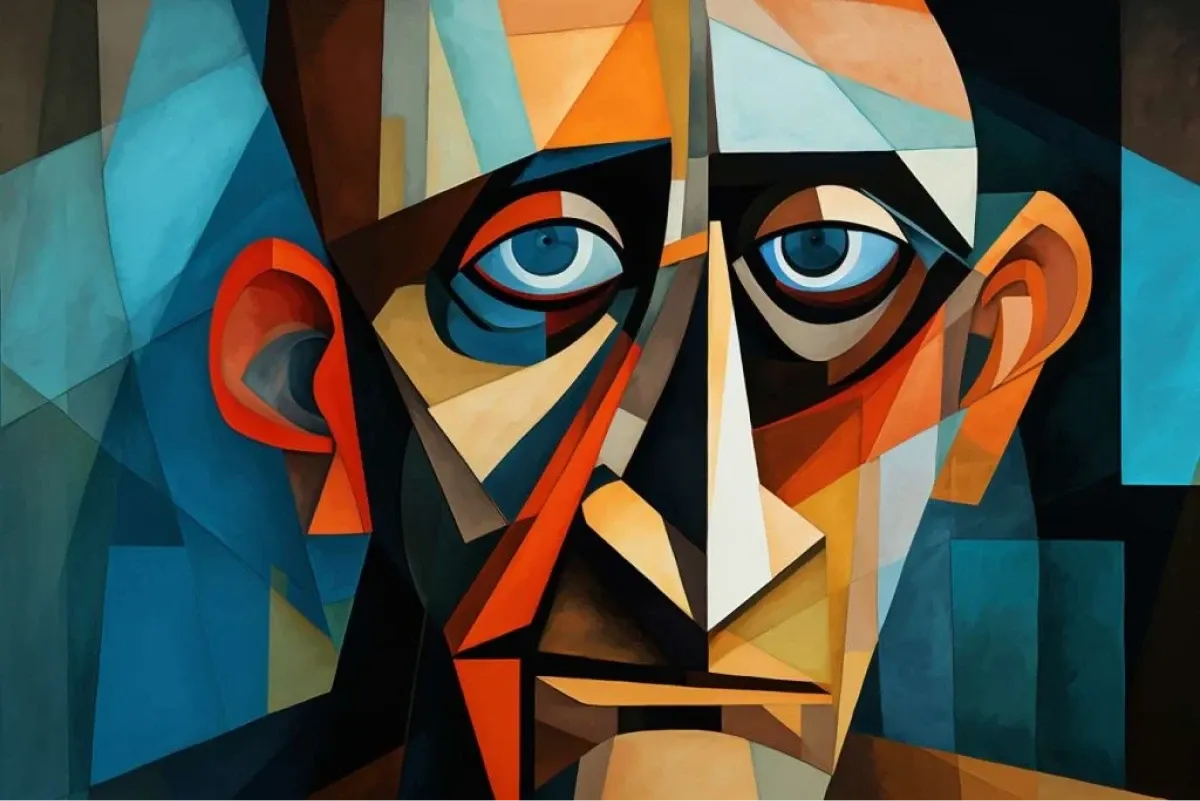
Cubism, originating from Picasso and Braque, deconstructs objects into geometric shapes and presents them from multiple perspectives at once. In AI art, this style makes objects or figures appear fragmented and multi‑dimensional, with prompts like “a Cubist cityscape, fractured buildings.” Features include sharp edges, overlapping planes, and abstract deconstruction, making it ideal for modern advertising or game concept art. In 2025, Cubism is popular in AI communities because it challenges visual perception and helps designers quickly generate complex structures. In education, it is also used to explain geometric concepts, blending art with science.
3. Pop Art
Pop Art emphasises popular culture elements such as comics, advertising, and celebrities, using bold colours and strong contrasts. Andy Warhol is a representative figure. In AI, prompts like “a Pop Art Coca‑Cola can in red and blue contrast” generate bold, satirical imagery. Features include repeated patterns, halftone dots, and commercial symbols, commonly seen in street art or social media memes. In 2025, the style is popular because of its viral appeal; brands use it to create eye‑catching posters. AI further democratises Pop Art, allowing anyone to mimic masters—useful in fashion design, digital NFTs, and injecting humour and critique.
4. Oil Paintings
The oil painting style imitates traditional oil painting techniques, with thick brush strokes, rich colours, and layered depth. It originates from the Renaissance, such as in the works of Leonardo da Vinci. In AI art, prompts like “a countryside sunset in oil painting style” create textured, realistic results. Features include light‑shadow gradients, blended brush strokes, and fine detail, making it ideal for portraits or landscapes. In 2025, this style remains popular for its timeless beauty, often used in digital galleries and home decor. AI tools make it easy for beginners to enjoy oil painting aesthetics, bridging classical and modern art.
5. Futuristic Architecture
This style merges science fiction elements and advanced architectural concepts such as floating cities or curvilinear structures. With AI, prompts like “a futuristic space station with neon lights” generate imaginative visuals. Features include metallic textures, dynamic lines, and high‑tech aesthetics, often applied in game design or urban planning concepts. In 2025, with the rise of the metaverse, this style becomes highly popular, helping architects iterate ideas quickly. Beyond visuals, it inspires conversations about the future—perfect for sci‑fi book covers or VR experiences.
6. Cartoon
The cartoon style emphasises humour and exaggeration, simplifying objects into playful or funny forms. Influenced by Disney and comics, it allows prompts like “a cartoon superhero with exaggerated muscles” to generate lively characters. Key features include bold outlines, bright colours, and big‑head‑small‑body proportions, widely used in children’s books and animation storyboards. In 2025, this style goes viral across social media for its shareability and meme potential. AI speeds up cartoon creation, making it ideal for educational animations or brand mascots, bringing cheerful energy.
7. Ink Punk
Ink Punk fuses hand‑drawn ink lines with punk aesthetics, resulting in raw, sketch‑like images. It is characterised by high contrast and rough strokes. In AI generation, prompts like “an Ink Punk street rebel in black and white contrast” produce rebellious, expressive imagery. Features include hand‑drawn textures, blurred edges, and strong emotions—common in street art and rock posters. By 2025, the style is popular with independent artists for its raw energy, with AI amplifying its DIY spirit. It’s particularly suited for music album covers or counterculture design, capturing feelings of freedom and chaos.
8. Papercraft
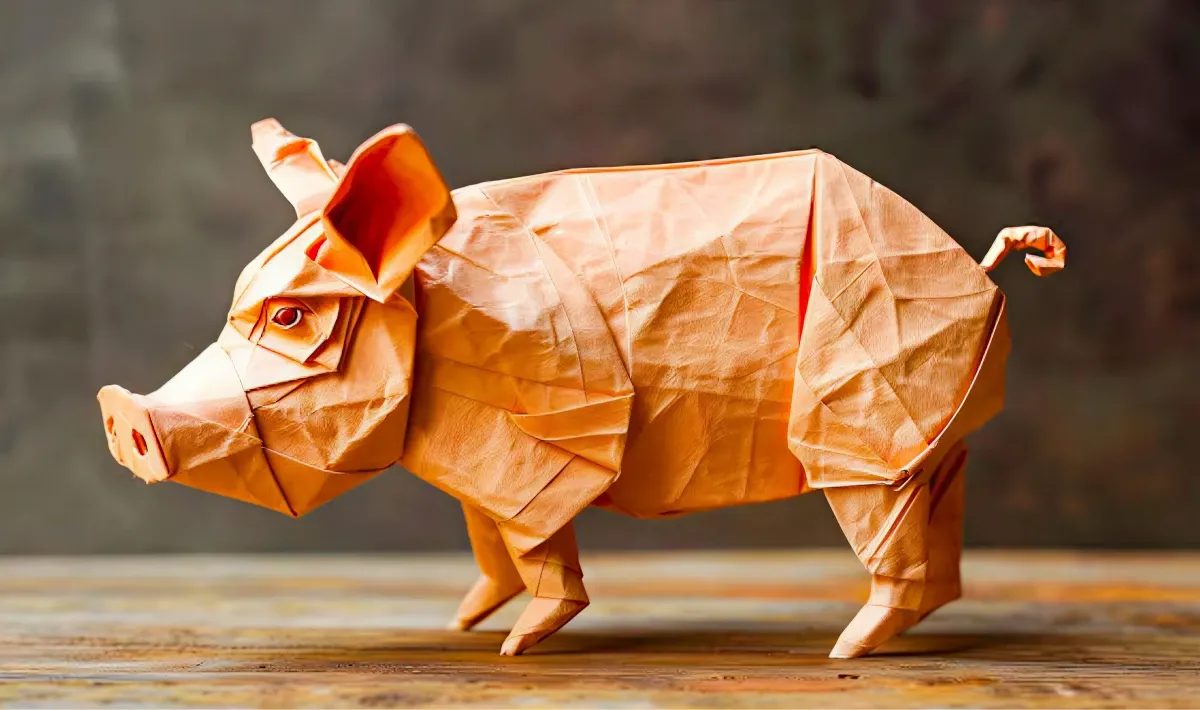
Papercraft style simulates paper cutting, folding, and layering to create either 2D or 3D visuals. In AI prompts, “a papercraft animal model with layered cutouts” might be used to generate intricate results. Features include flat colours, edge shadows, and handmade texture, ideal for crafts instruction or packaging design. In 2025, this style grows popular for its eco‑friendly aesthetic, aligning with sustainability trends. AI makes papercraft easy to simulate, perfect for DIY communities and children’s education, evoking the warmth of handcrafted art.
9. Pixel Art
Pixel art recalls early video games like Super Mario, using coloured squares to form images. In AI, prompts such as “a pixel art retro game scene” produce nostalgic visuals. Characteristics include grid structures, low resolution, and limited colour palettes, common in indie games and NFT collections. In 2025, its revival is driven by retro trends, and AI accelerates pixel creation. Pixel art is now applied in app icons or digital art exhibitions, merging childhood nostalgia with modern visuals.
10. Anime Art
Anime art stems from Japanese animation and manga, featuring large expressive eyes, exaggerated emotions, and vivid colours. In AI, prompts like “an anime‑style fantasy warrior in a dynamic pose” create lively characters. Features include smooth lines, emotional highlights, and story‑rich scenes, widely used in comics or cosplay designs. In 2025, anime art dominates global pop culture. With AI, fans can easily produce fan art, making it popular in the animation industry and social media, embodying the charm of Japanese aesthetics.
In summary, these AI art styles not only reflect art history but also signal future innovation. In 2025, with advancements in AI models such as Grok 4, users can control styles with greater precision and blend multiple styles to create unique works. Whether you are an artist, designer, or enthusiast, these styles are worth experimenting with to explore limitless creative possibilities. AI is not replacing art—it is amplifying creativity, allowing anyone to become a creator. Looking ahead, more hybrid styles will emerge, shaping a new wave in the art world.
Preserve Your Precious Memories with Capture’s Photo Album Digitisation Service
Do you have a box full of old photographs, worried that they may fade or get damaged over time? Now, you can preserve these treasured memories by digitising them with Capture.HK’s professional photo album digitisation service. Our service allows you to convert your old photos into high-quality digital files, ensuring they are safely stored and easily shareable.
At Capture.HK, we use high-resolution scanning technology to restore your photos with sharp details and vibrant colours, maintaining their original quality. We also offer various file formats, making it easy for you to access and share them across different devices. Most importantly, we handle your photos with utmost care, ensuring they are safely processed and preserved.
The Frame Digital Photo Frame
Want to relive your digital memories every day? Capture’s The Frame digital photo frame is the perfect solution! Designed to showcase your most cherished moments, The Frame allows you to display a lifetime of memories in one elegant frame.
With its sleek design and high-resolution display, The Frame offers an effortless way to organise and enjoy your favourite photos. Simply digitise your photo collection, upload them to The Frame, and enjoy your memories anytime, anywhere.
Whether placed in the living room, bedroom, or office, The Frame adds a touch of warmth and personality to your space. More than just a decorative item, it’s a meaningful gift that brings your treasured moments to life.
Get The Frame today and enjoy your memories every day!
References:
- Different AI Art Styles for AI Image Generation - Revealed - starryai
Extended Readings:
Loading...